

More news on this day
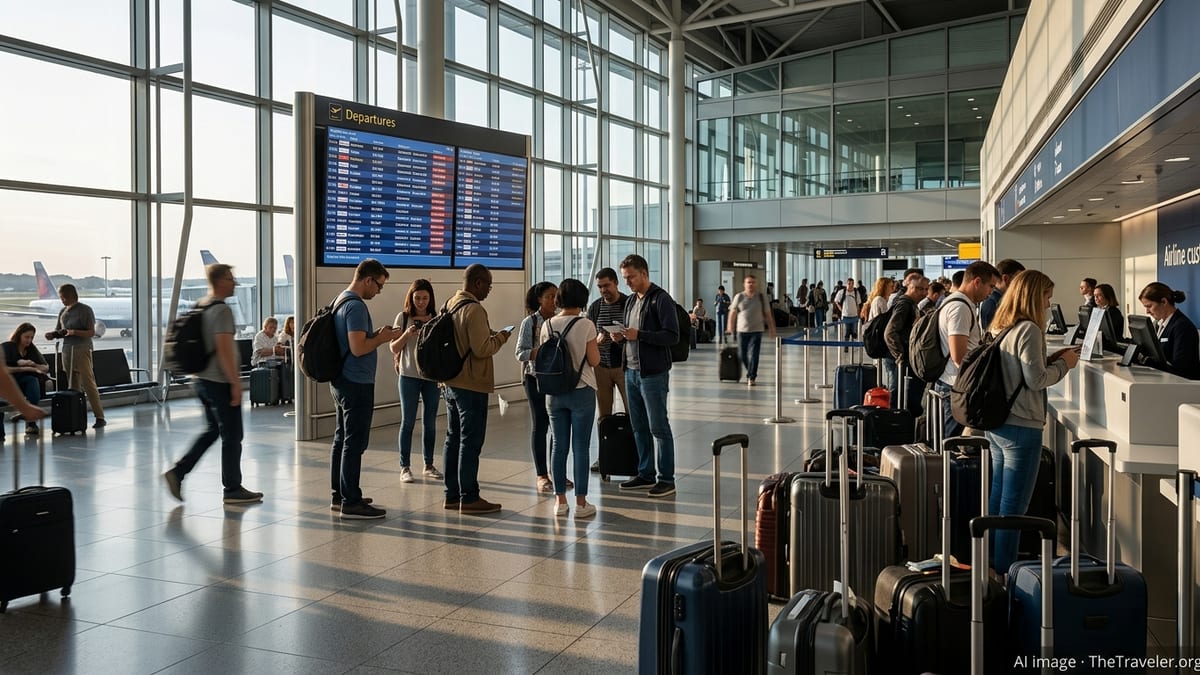
A sharp spike in jet fuel prices and localized shortages at key airports are beginning to ripple through global air travel, triggering selective flight cancellations, new fuel surcharges and growing concern that the disruption could intensify if supply constraints persist into the peak summer season.
Get the latest news straight to your inbox!
Why Jet Fuel Is Suddenly Under Pressure
The immediate pressure on jet fuel supplies is closely linked to renewed instability in the Middle East, including shipping disruptions around the Strait of Hormuz and temporary airspace closures in the Gulf. Publicly available energy data shows that Brent crude prices climbed above 100 dollars per barrel in early March, the highest level in several years, feeding rapidly through to refined aviation fuel.
Industry trackers that follow airline fuel costs report that average global jet fuel prices have jumped sharply in recent weeks after a relatively calmer 2025, when airlines benefited from lower fuel bills and stable supply. The International Air Transport Association’s regular fuel monitoring has highlighted both the volatility of prices in 2026 and the growing share fuel represents in airline operating costs, often approaching 25 to 30 percent.
At the same time, the rollout of sustainable aviation fuel mandates in several markets is adding complexity to supply chains. While sustainable fuels still account for less than one percent of global jet consumption, they are significantly more expensive than conventional fuel, creating additional cost pressure as airlines balance regulatory requirements with constrained overall supply.
Localized Shortages Lead to Cancellations and Rerouting
Alongside higher prices, localized shortages are beginning to affect airline operations in specific regions. In February and March, Cuba announced that its nine international airports would face a month long absence of Jet A‑1 aviation fuel, prompting carriers to suspend some services, introduce technical fuel stops in third countries, or temporarily withdraw from the market. Travel rights organizations and airline notices indicate that several North American and European airlines have reduced or restructured their Cuba schedules as a result.
Similar issues have emerged elsewhere where fuel logistics are fragile. Aviation market updates note that some carriers serving Cuba and neighboring Caribbean destinations have shifted to refueling in hubs such as Miami or Cancun, effectively adding extra segments and complexity to maintain service. While these arrangements can keep routes open, they reduce scheduling flexibility and increase operational costs, making further adjustments likely if shortages linger.
In the Asia Pacific region, publicly available government statements from the Philippines describe a broader energy crunch tied to higher import prices. Local airlines have responded by trimming certain domestic and regional routes and conserving fuel stocks, moves that are beginning to show up as cancellations and thinner schedules on some days. Industry observers warn that similar measures could appear in other import dependent markets if prices stay elevated.
How Airlines Are Passing Costs to Passengers
With fuel making up such a large share of operating expenses, airlines have limited room to absorb a sustained cost spike. In recent investor briefings covered by major financial outlets, large U.S. carriers have acknowledged that jet fuel bills are rising but say robust demand and record bookings in early 2026 are helping offset some of the impact. Even so, fare data and analyst reports suggest that average ticket prices are edging higher across many routes.
In Europe and the Asia Pacific, some airlines have moved more explicitly. Trade publications and airline advisories detail new or increased fuel surcharges on both short haul and long haul tickets, particularly on routes that cross or bypass conflict affected airspace. Carriers such as Air India and several Asia based airlines have publicly cited rising jet fuel prices when announcing higher surcharges, while European low cost and network airlines are relying on a mix of hedging and selective fare increases.
Industry associations have cautioned that if current conditions persist, average ticket prices globally could rise by high single digit percentages in 2026 compared with earlier forecasts. Analysts point out that the combination of strong demand and constrained capacity gives airlines more room than in previous years to pass higher fuel costs on to travelers, especially on long haul and business heavy routes.
What Travelers Are Experiencing on the Ground
For passengers, the jet fuel squeeze is showing up in three main ways: higher advertised fares, more frequent fuel surcharges and occasional last minute schedule changes. Data from European air traffic monitors indicates that jet fuel prices in the region reached their highest level since mid 2024 by late February, coinciding with a gradual firming in average fares on popular city pairs.
Travel search engines and consumer advocacy groups are also reporting a noticeable uptick in prices on routes that depend heavily on fuel intensive long haul sectors, such as transatlantic and Europe to Asia flights. In some markets, regulators have allowed airlines to move to higher fuel surcharge brackets for tickets issued in early April, adding fixed per segment fees on top of base fares.
Schedule reliability is feeling the strain in regions directly affected by supply or geopolitical disruption. Following airspace closures and heightened security measures in parts of the Gulf, flights transiting the Middle East have faced longer routings and isolated cancellations, effects that cascade across airline networks. In the Caribbean and parts of Southeast Asia, limited on airport fuel availability has forced airlines to consolidate frequencies, switch aircraft types, or cancel lower demand services to prioritize core routes.
How to Navigate Bookings During a Fuel Squeeze
Travel experts who track fare patterns suggest that flexibility and early planning are becoming more important as fuel driven disruptions spread. Because surcharges are often tied to the date of ticket issuance rather than the date of travel, travelers who book before announced increases can sometimes avoid the highest add ons, although this can change if airlines invoke exceptional circumstances clauses.
Passengers are being advised to monitor their bookings closely, particularly for trips that involve smaller regional airports or countries that rely heavily on imported fuel. If a route faces chronic fuel constraints, airlines may consolidate passengers onto fewer flights or require rebooking through alternative hubs, which can lengthen journey times. Keeping contact details up to date with the airline and checking flight status regularly can reduce the risk of being caught out by late schedule changes.
Travelers with tight connections across multiple tickets, such as separate low cost and full service segments, are especially exposed to knock on delays from fuel related disruptions. Industry observers recommend building in longer layovers on complex itineraries, considering travel insurance that explicitly covers schedule disruption, and being prepared for modest fare increases through at least the medium term as airlines adjust to a more expensive and less predictable fuel environment.