

More news on this day
Europe’s aviation sector is heading into the crucial summer travel season with mounting concern that jet fuel shortages could force higher fares, schedule cuts and localized disruptions within weeks if key supply routes are not restored.
Get the latest news straight to your inbox!
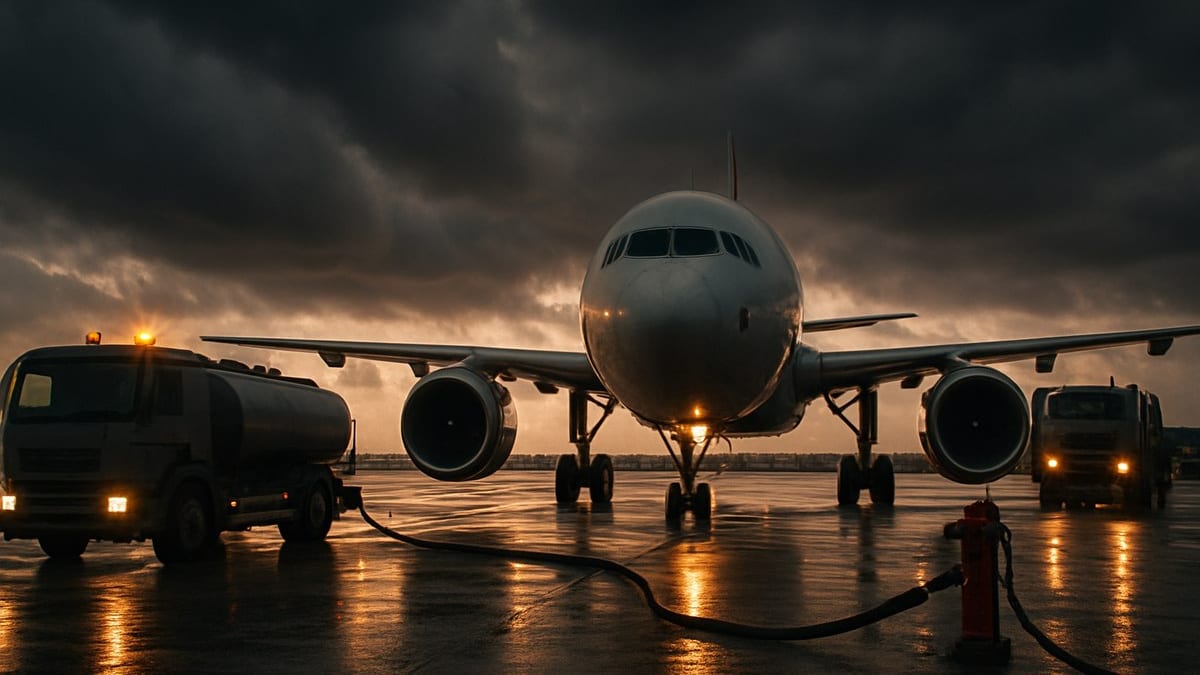
Middle East Shock Exposes Europe’s Fuel Vulnerability
The jet fuel squeeze has its roots in the conflict in Iran and the effective closure of the Strait of Hormuz since late February, a chokepoint that normally carries a significant share of global oil and refined products. Publicly available analysis of the crisis indicates that the disruption has removed a substantial volume of crude and aviation kerosene from world markets, pushing benchmark oil prices sharply higher and intensifying competition for alternative supplies.
Europe is particularly exposed because it relies heavily on imported jet fuel to supplement declining output from its own refineries. Industry data compiled in recent weeks highlights a widening structural deficit between European jet fuel production and demand, with the region increasingly dependent on shipments from the Middle East. Commentators tracking tanker movements note that several of the last large kerosene cargoes from Gulf producers have already been discharged in Northwest Europe, underscoring fears that replacement barrels will not arrive fast enough.
As a result, market observers describe a system under strain rather than in full crisis: storage tanks are being drawn down, emergency stock rules are under review in some countries, and airlines are reworking refueling plans to stretch available supplies. The key question for the coming weeks is whether rerouted flows from the United States and increased European refinery output can offset the shortfall in time for the late spring ramp-up in flights.
Airports Warn of Shortages Within Weeks
Anxiety has sharpened in the past few days as airport groups sounded the alarm over the risk of shortages emerging just ahead of the peak holiday rush. Coverage from European industry publications reports that ACI Europe, representing hundreds of airports across the region, has warned that if crude and product flows through the Strait of Hormuz are not restored soon, some airports could face jet fuel supply constraints within weeks rather than months.
According to recent press reports, airports in Italy including Bologna, Milan Linate, Treviso and Venice have already introduced fuel limitations tied to restricted deliveries from a key supplier linked to the Middle East conflict. Airlines operating there have been instructed to arrive with additional fuel uplifted elsewhere when possible, a tactic that helps maintain schedules but tightens availability at other hubs.
Elsewhere in Europe, trade and general news coverage suggests that fuel rationing remains localized for now, but planning scenarios are turning more severe. Some airport operators and analysts referenced by outlets including the Guardian, Euronews and specialist travel media describe a timeline in which sustained disruptions could start to impact summer schedules from late May or June if contingency measures fall short.
At the same time, European Union institutions emphasize that emergency oil stocks remain under national control and that detailed information on jet fuel inventories by country is limited in the public domain. That lack of transparency adds to uncertainty for travelers trying to gauge the real risk to their summer plans.
Airlines Balance Hedging Gains With Physical Supply Risk
Major European carriers entered 2026 with extensive fuel hedging strategies that fixed much of their expected consumption at lower prices, softening the immediate financial blow from soaring spot markets. Recent financial reporting cited by outlets such as El País shows that Ryanair, IAG, Air France KLM and Lufthansa have between roughly three quarters and more than four fifths of their 2026 fuel needs covered at pre-crisis levels, at least for the near term.
Those hedges, however, do not create physical barrels of jet fuel. Commentators following the sector note that airlines are increasingly focused on whether they can secure enough supply at key airports to operate planned schedules, rather than just on the cost per tonne. Industry analysis indicates that if shortages deepen, carriers could be forced to thin out frequencies on short haul routes, consolidate services at better supplied hubs or introduce additional technical stops for refueling on longer flights.
Low cost airlines and leisure-focused groups are especially exposed to disruption during the European summer, when they concentrate capacity on Mediterranean and island destinations. Recent media coverage points to growing concern among these operators that even isolated fuel constraints at popular holiday airports could trigger knock-on delays, aircraft reassignments and higher operating costs as they juggle aircraft and crews around the network.
For now, most large airlines continue to reassure customers that their summer operations remain on sale and broadly intact, while acknowledging in public comments and regulatory filings that the fuel situation is a key risk factor for the remainder of the year.
What Travelers Can Expect This Summer
For passengers planning trips between June and September, the emerging jet fuel squeeze is likely to be felt first through pricing rather than widespread cancellations. Travel industry analysis and fare trackers referenced in recent coverage already point to rising fuel surcharges and higher base fares on select routes, particularly for late bookings and peak travel weekends.
Should physical shortages intensify, experts interviewed in recent news and industry reports outline several possible impacts. Airlines could prioritize maintaining connectivity on core routes while trimming marginal frequencies, leading to fewer choices on some city pairs and busier flights on those that remain. Aircraft might also spend longer on the ground as carriers manage refueling windows, potentially increasing the risk of delays during already congested summer periods.
Travel media and consumer advocates suggest that travelers build more flexibility into their plans by allowing extra time for connections, considering early morning or midweek departures that may be less vulnerable to cascading disruptions, and monitoring airline notifications closely in the weeks before departure. Those with fixed holiday dates may find that booking earlier offers some protection against further fare increases if fuel markets remain tight.
Despite the elevated risk, analysts stress in public commentary that Europe is not yet facing a continent-wide grounding of flights. The outcome for the summer season will depend heavily on whether additional supplies from alternative regions arrive in time, how quickly European refineries can adapt, and whether geopolitical tensions in the Gulf ease or intensify.
Longer Term Questions for Europe’s Aviation Fuel Strategy
The current squeeze is also prompting a broader debate over how Europe secures aviation fuel in an era of geopolitical volatility and climate policy. Recent reports from energy consultancies and industry bodies highlight that refinery closures, environmental regulations and a gradual shift away from fossil fuels have all contributed to a structural decline in local production of jet fuel, even as air travel demand continues to recover and grow.
At the same time, sustainable aviation fuel remains a small fraction of total jet consumption in Europe, and its high cost and limited availability mean it cannot yet shoulder the burden of a large-scale supply disruption. Analysts note that the 2026 crisis may accelerate efforts to expand regional refining capacity for both conventional and sustainable fuels, diversify import routes and storage, and refine contingency planning for future shocks.
For Europe’s tourism industry, which depends heavily on affordable and reliable air links, the coming months will be an important stress test. The way the region navigates this jet fuel squeeze, both in the immediate summer season and in policy choices that follow, is likely to shape how resilient its travel networks will be in the face of future energy and geopolitical upheavals.