

More news on this day
British air passengers are confronting a fresh wave of disruption as airlines begin cancelling flights and thinning out schedules in response to a sharp spike in global jet fuel prices linked to the conflict in the Middle East.
Get the latest news straight to your inbox!
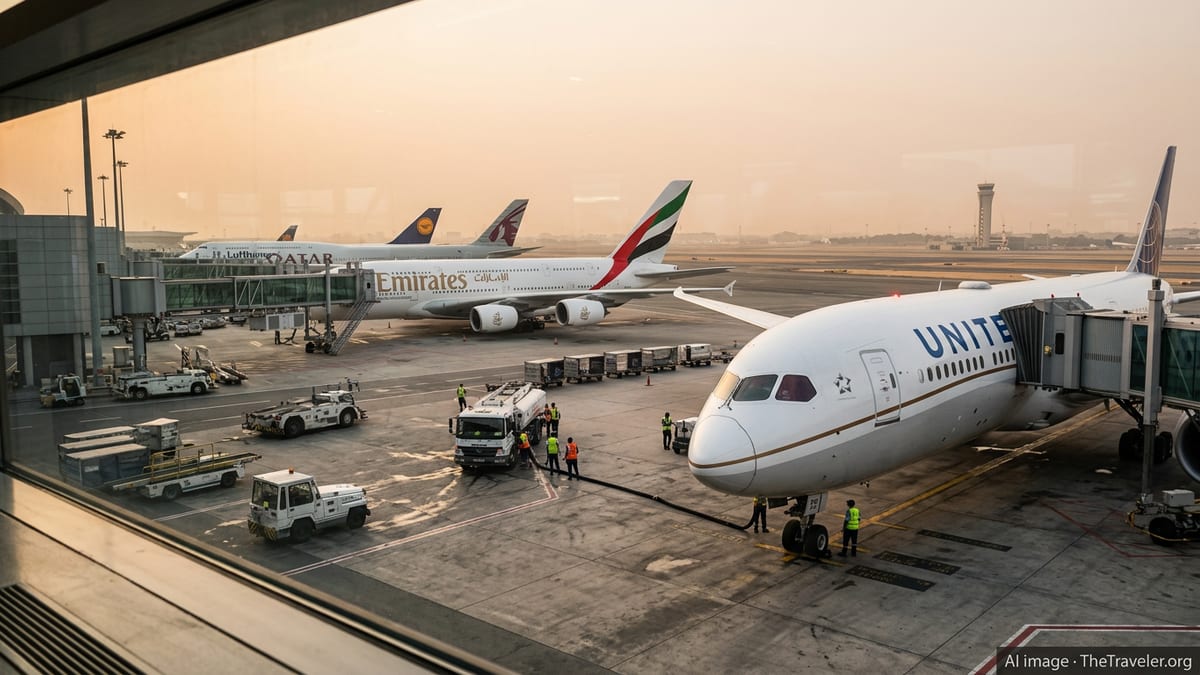
Fuel Shock Ripples Through UK Skies
The surge in aviation fuel costs since late February has rapidly altered the economics of flying in and out of the United Kingdom. Industry data shows European jet fuel benchmarks climbing to their highest levels in several years, tracking oil prices that have leapt well above 100 dollars a barrel amid the Strait of Hormuz crisis and wider instability around Iran.
Publicly available market analysis indicates that fuel, which typically accounts for between one fifth and two fifths of an airline’s operating costs, is now exerting renewed pressure on carriers serving British airports. With hedging contracts only partially shielding airlines from the latest volatility, companies are moving quickly to protect margins by trimming less profitable routes, consolidating frequencies and raising fares.
Reports from European air traffic and industry monitoring bodies suggest that carriers across the continent are reassessing capacity plans for the spring and early summer period. While some operators are focusing on fare rises and added surcharges, several have started to cut flights outright, a trend that is increasingly evident in the UK market.
According to recent economic assessments of the Iran war fuel crisis, the broader energy shock is expected to push UK inflation higher again in 2026, underlining how the aviation upheaval is part of a wider squeeze on households already grappling with elevated living costs.
Budget Carriers Lead Early Cancellations
Low cost airlines, long reliant on high aircraft utilisation and thin profit margins, appear to be on the front line of the current adjustment. Travel trade coverage focused on Britain indicates that budget carriers are selectively cancelling flights on fuel intensive or lower demand routes, particularly secondary city pairs and shoulder season services.
Specialist travel outlets following the UK market report that some high frequency intra European routes from regional British airports have seen schedules pared back for April and May, with isolated cancellations already appearing in online departure boards. Advance warning has generally been provided, but short notice alterations are being reported as airlines juggle aircraft and crew to keep core leisure and business routes intact.
Industry commentary suggests that UK bound passengers on budget networks are likely to encounter further disruption if fuel prices remain elevated into the peak summer season. Trade publications covering Ryanair and other major low cost players warn that fuel shortages and cost spikes could yet force broader schedule cuts, even though detailed lists of affected flights have not always been published in advance.
The pattern mirrors developments elsewhere in Europe, where regional and leisure focused airlines have begun cancelling flights in response to jet fuel costs that, in some cases, have more than doubled in a matter of days. Observers note that British travellers transiting via non UK hubs may therefore feel the impact both at home and on connecting sectors overseas.
Legacy Airlines Trim Capacity and Raise Fares
Full service carriers with large operations at Heathrow, Gatwick and Manchester are also adjusting their networks, though in a more targeted fashion. Coverage of European airline briefings indicates that major groups, including the parent company of British Airways, have flagged fuel as the primary headwind for 2026 and signalled an intention to pass a significant portion of the extra cost to passengers through higher fares.
Across the wider transatlantic and long haul market, global airlines serving Britain have already started to announce flight reductions on marginal routes. Aviation news outlets highlight examples of North American and Asia Pacific carriers cutting back certain services to Europe as fuel bills rise, moves that indirectly reduce seat supply for UK travellers and underpin higher ticket prices.
For British consumers, the combined effect is a more expensive and potentially less frequent choice of flights on key long haul links. Travel analysts cited in recent European aviation reports calculate that fuel now represents such a large slice of operating costs that even modest further increases could translate into substantial fare hikes on routes such as London to New York or London to Dubai.
Corporate travel managers and tour operators in the UK are responding by encouraging earlier bookings and greater flexibility on dates and routings. Some are shifting groups to alternative departure airports or consolidating itineraries to minimise exposure to last minute cancellations and steep fare surcharges.
Airports and Regions Feel Uneven Impact
The disruption is not being felt evenly across Britain. Regional airports with a heavy dependence on a single low cost carrier or a narrow portfolio of routes appear most exposed to fuel driven schedule changes. Travel industry coverage points to cutbacks at some secondary bases where airlines can quickly redeploy aircraft to busier hubs or more profitable sun destinations.
Larger airports around London and in major cities such as Manchester and Edinburgh are better positioned to absorb individual airline cancellations because alternative carriers and routings are often available. Nonetheless, passengers there are still encountering busier flights, reduced choice of departure times and noticeably higher fares on popular holiday and city break routes.
Local tourism bodies in parts of the UK that rely heavily on inbound air travel are monitoring developments closely. With European forecasts already pointing to softer economic growth and higher inflation as a result of the energy shock, weaker air connectivity could further complicate efforts to attract overseas visitors in 2026.
Freight operators and airport cargo divisions are also feeling the strain. Trade press articles on the fuel surge note that jet fuel costs are pushing up air cargo rates across Europe, which in turn may feed into the prices of imported goods in British shops later this year.
Travellers Brace for a Volatile Summer
The timing of the fuel shock is particularly challenging for British holidaymakers, many of whom booked spring and early summer trips just before prices began to spike. Online travel agencies report a rise in customers seeking guidance on cancellation policies, rebooking options and travel insurance coverage as news of fuel related disruption circulates.
Consumer advocates are reminding passengers that, under existing UK and European regulations, cancellations initiated by airlines can trigger rights to refunds or re routing, although compensation rules are complex when external events drive operational decisions. Travellers are being urged to read fare conditions carefully, especially where separate fuel surcharges are applied to tickets.
Across the industry, public comments by airline executives and aviation associations suggest that capacity plans for the main July and August holiday period are under constant review. While carriers are keen to preserve as much lucrative peak season flying as possible, high and volatile jet fuel prices are likely to keep schedules fluid and fares elevated.
For now, British travellers face a landscape of constrained supply, unpredictable cancellations and rising costs. As the conflict in the Middle East and the associated fuel crisis continue to unfold, the extent of the disruption to UK air travel in the months ahead will depend heavily on how long jet fuel prices remain at their current heights.