

More news on this day
Jet2.com and Jet2holidays are set to broaden their Greek footprint by adding Thassos, often called the “Emerald Isle of the Aegean,” to the company’s Summer 2027 program, a move that underscores the growing appeal of northern Aegean destinations and is expected to channel fresh visitor spending into local communities.
Get the latest news straight to your inbox!
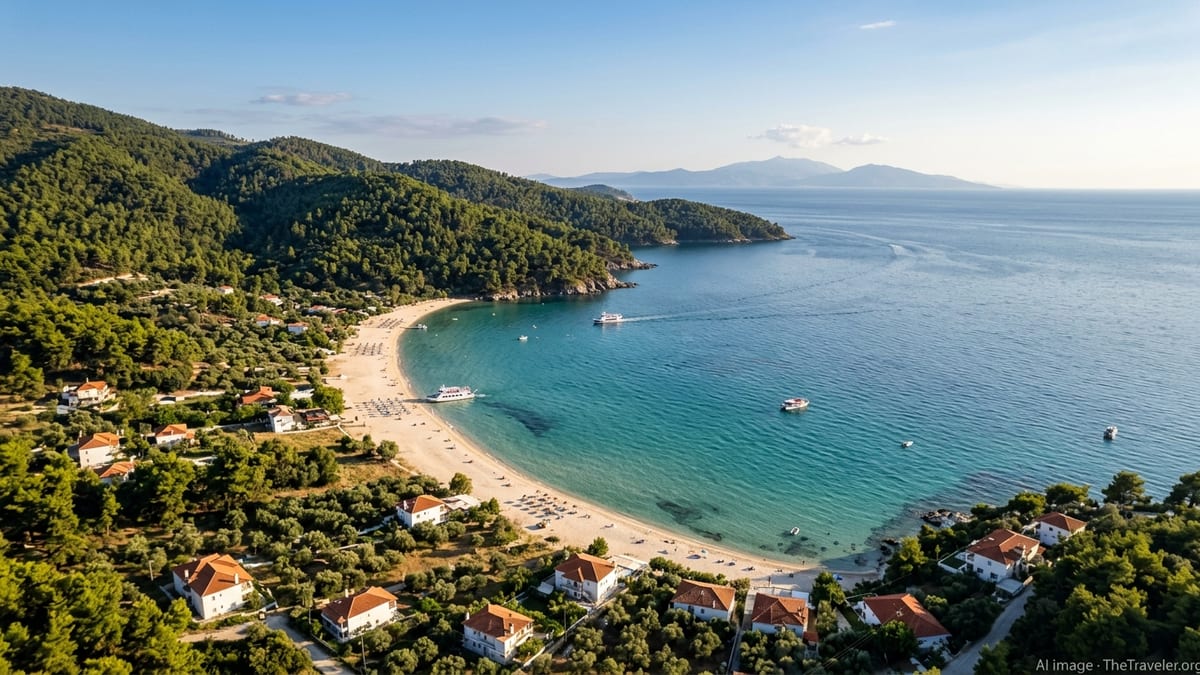
New Flights Bring Thassos Into the Mainstream Holiday Market
The inclusion of Thassos in Jet2’s 2027 schedule aligns with the company’s wider strategy of steadily enlarging its Greek portfolio, following recent additions such as Samos, the Olympus Riviera and Lesvos in earlier seasons. Publicly available company updates show that Greek islands have been a consistent focus of Jet2’s expansion, reflecting continued demand from UK holidaymakers for Mediterranean beach destinations and all-inclusive packages.
While full route details to Thassos for 2027 are expected to follow the pattern of other new island launches, industry observers anticipate services from major UK bases, connecting via nearby mainland gateways that serve northern Greece. Existing Jet2 schedules in the region already make use of airports such as Thessaloniki and Kavala for access to the northern Aegean, suggesting that Thassos is being positioned as part of a broader cluster of destinations in this less-explored part of the country.
The addition of Thassos also fits into a wider European airline trend of diversifying away from heavily saturated hotspots toward secondary islands and regions. By placing Thassos on the same brochure pages as more familiar Greek names, Jet2 is expected to expose the island to a much larger mass-market audience, particularly families and package travelers who typically book through large tour operators rather than independently.
Travel trade commentary indicates that UK-based agencies have been looking to extend their Greek offerings beyond the southern Aegean and Ionian islands, partly to provide better value and partly to respond to concerns about overtourism in certain destinations. Thassos, with its smaller scale and relatively low-rise development, appears to match these emerging preferences.
Thassos: The Emerald Isle of the Northern Aegean
Thassos sits in the northern Aegean Sea, a short distance off the coast of mainland Macedonia. Often described in Greek and regional tourism literature as an “Emerald Island” because of its pine forests and lush hillsides, it offers a different visual profile from the arid, whitewashed Cycladic islands more commonly seen in brochures. Its coastline combines long, gently shelving sandy beaches with smaller coves, while the interior is dominated by Mount Ypsarion, which climbs to more than 1,200 meters and provides scope for hiking and village tourism.
Recent regional tourism reports indicate that Thassos has experienced robust visitor growth in the last few seasons, reaching well over one million passenger arrivals during peak summer months via nearby ferry ports. The bulk of visitors have traditionally arrived by car and ferry from neighboring Balkan countries and northern Greece, with a smaller but steadily growing share from northern Europe’s package-holiday market.
The island has also attracted recognition for its relatively low-key, authentic character. Travel features and awards coverage in late 2025 highlighted Thassos as one of Greece’s leading “authentic” island destinations, pointing to its mix of working villages, traditional tavernas and heritage sites from antiquity through to the Ottoman era. This positioning suggests that new airlift and package programs may be marketed not only around beaches, but also around culture, walking and nature-focused stays.
Against a backdrop of rising concerns about overtourism in Greece’s most crowded islands, Thassos offers a contrasting model. Visitor numbers have risen, but the island’s tourism base remains more regionally diversified, with repeat customers and family-run accommodation forming a substantial part of the market. Industry analysts note that careful planning will be needed to manage any surge in visitors resulting from Jet2’s entry while maintaining the island’s existing character.
Economic Boost for Local Communities and Businesses
Tourism is already a central pillar of the Thassian economy, supporting employment in accommodation, restaurants, transport, retail and seasonal services. Studies on the Greek tourism sector suggest that islands in the northern Aegean rely heavily on summer visitor spending to sustain local incomes and municipal budgets for the rest of the year. The arrival of a large UK tour operator with a dedicated package program is therefore likely to bring a measurable uplift in revenue.
Local businesses on Thassos, including small hotels, guesthouses and seaside apartments, are expected to benefit from increased visibility in international travel brochures and booking platforms associated with major airlines and tour brands. Additional flights and organized holiday packages typically translate into longer average stays and a higher share of pre-booked services, which can provide more predictable income streams for accommodation providers and excursion operators.
Retailers and producers may also see knock-on effects. Thassos is known within northern Greece for products such as olive oil, honey and marble-related crafts. With a broader UK and northern European audience, there is potential for expanded sales of local goods, both on-island and via export channels supported by tourism-driven awareness.
However, economic benefits will likely hinge on how the new capacity is integrated into existing infrastructure and environmental planning. Past experience on other Greek islands has shown that rapid increases in arrivals can strain water resources, waste management and coastal ecosystems if growth is not matched by investment. Regional development plans and sustainability programs already in place for parts of the northern Aegean will be closely watched as Thassos prepares for a higher international profile.
Expanding Greece’s Regional Appeal Beyond Established Hotspots
For Greece as a whole, the decision to place Thassos in a mainstream UK summer program adds weight to a broader effort to distribute tourism more evenly across the country’s many regions. National tourism data shows that the majority of international visits remain concentrated between May and September and strongly focused on a handful of island groups and Athens, often leaving northern and eastern parts of the Aegean comparatively less visited.
By promoting Thassos alongside more established Greek names, Jet2’s 2027 program supports a diversification strategy that tourism analysts have been tracking for several years. Northern and eastern Aegean islands such as Lesvos, Samos and now Thassos are being positioned as complementary alternatives, combining beach holidays with cultural depth, rural landscapes and, in some cases, cooler summer temperatures than the southern Aegean.
The shift also aligns with European traveler interest in destinations perceived as less crowded and more sustainable. Survey-based research on travel intentions in recent seasons points to strong demand for “second-city” and “second-island” experiences that promise authenticity without sacrificing comfort or accessibility. Thassos, which has long enjoyed high levels of repeat visitation from regional markets, appears well placed to tap into this trend as UK flight capacity increases.
For the UK travel trade, Thassos offers a new narrative to present to customers who have already visited popular islands such as Rhodes, Crete or Corfu and are now looking for something different. Package itineraries built around the island’s mountain villages, coastal paths and quieter beaches could help extend the season into spring and autumn, supporting Greece’s broader objective of reducing its dependence on a short, intensely busy peak summer window.
Resorts, Infrastructure and Sustainability Considerations
Alongside new flight connections, Jet2’s Thassos offering for Summer 2027 is expected to feature a portfolio of contracted hotels and self-catering properties in key resort areas. Existing resort villages such as Limenas, Potos and Limenaria already serve as hubs for seaside tourism, and are likely candidates for inclusion in mainstream holiday packages thanks to their established accommodation stock, waterfront promenades and access to beaches.
Industry reporting on recent investment in the northern Aegean highlights incremental upgrades to small hotels, boutique properties and serviced apartments, often aimed at improving energy efficiency and guest comfort rather than large-scale new construction. If this pattern continues on Thassos, the island’s growth may come more from quality improvements and season extension than from sweeping new resort complexes, which can be more disruptive to local communities.
Infrastructure readiness will remain a central question. Thassos is accessible by frequent ferries from ports such as Keramoti, and any significant increase in inbound air traffic via nearby mainland airports is likely to put additional pressure on these links, as well as on road networks and coastal services. Regional authorities and local stakeholders have, in recent years, placed greater emphasis on integrated transport and environmental management to handle growing summer peaks in the northern Aegean.
Environmental organizations and tourism bodies have also promoted initiatives encouraging visitors to engage with the island beyond its beaches, including hiking routes, cultural sites and village experiences. If Jet2’s packages and marketing materials echo these themes, the new program could help spread visitor flows more evenly across the island and throughout the season, supporting both economic resilience and environmental protection as Thassos steps onto a larger international stage.