

More news on this day
Sudden groundings and large-scale disruptions at JetBlue, American Airlines and Delta over recent days have sent fresh shockwaves through the U.S. aviation system, snarling travel at major hubs and raising new questions about the resilience of the country’s tourism and hospitality industries just as demand was accelerating into the busy spring and summer seasons.
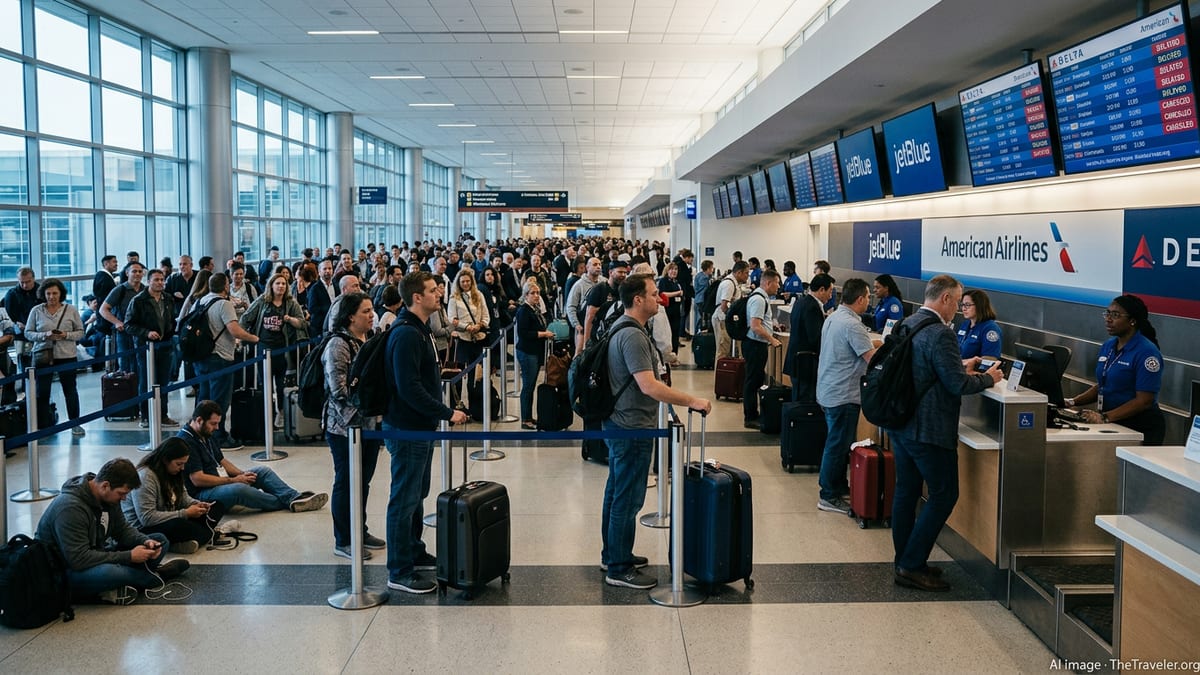
Wave of Ground Stops Hits Major U.S. Carriers
The most dramatic disruption came early Tuesday, March 10, when the Federal Aviation Administration briefly grounded all JetBlue flights nationwide at the carrier’s own request. The ground stop, which lasted around 40 minutes, halted departures across the network and triggered cascading delays as aircraft and crews fell out of position. While the underlying cause has not yet been fully disclosed, early indications from internal notices and passenger reports point to a significant connectivity or IT issue centered at JetBlue’s New York headquarters.
The JetBlue episode followed a turbulent period for other big U.S. airlines. In recent days, Delta has dealt with a ground stop affecting operations through its Atlanta hub, while American Airlines has been wrestling with lingering schedule instability after severe winter weather and earlier technology outages disrupted its maintenance and crew-management systems. Though not always formal nationwide groundings, these rolling operational shocks have created a similar effect for travelers, with sudden pauses in departures and heavy backlogs that can take days to clear.
Compounding matters has been an unusually volatile external environment. Violent storms across the Midwest and East Coast on March 7 triggered more than 400 cancellations and thousands of delays, affecting American and Delta alongside other major carriers. At the same time, the Iran conflict has forced global rerouting and contributed to jet fuel prices that are now pressuring airline finances, leaving carriers with less margin to absorb disruption.
Analysts note that while each event has a different trigger, the pattern is consistent: complex, highly optimized airline networks are proving vulnerable to shocks from both inside and outside the industry. The JetBlue stoppage, in particular, underscores the risks of digital dependence at a time when aviation IT systems are under intense strain.
Immediate Fallout for Leisure Travelers and Gateways
The disruptions have landed hardest on leisure travelers passing through major coastal and sunbelt gateways. JetBlue’s concentration at New York’s John F. Kennedy International Airport and its strong presence in Boston and Fort Lauderdale meant that Tuesday’s ground stop immediately rippled into popular routes to Florida, the Caribbean and Latin America, where March traditionally brings a surge of vacation travel.
American Airlines, with its hubs in Miami, Charlotte and Dallas–Fort Worth, has been managing the tail end of winter-weather recovery while also adjusting capacity in response to shifting demand and higher fuel costs. Recent cancellation waves, though modest in absolute numbers compared with historic holiday meltdowns, have been highly concentrated at leisure-oriented airports, magnifying the impact on family vacations, cruise connections and resort stays.
Delta’s operational hiccups around Atlanta and other hubs have similarly affected connecting passengers headed to resort markets in Florida, the Gulf Coast and the Caribbean. Even when flights are not outright canceled, extended ground delays and missed connections can turn a long weekend trip into a two-day ordeal, leading some travelers to abandon plans altogether or cut stays short.
For coastal destinations that rely heavily on airlift, the timing is particularly sensitive. March and April are crucial months for beach and city breaks, and lost arrivals now can rarely be recaptured later in the year. Tourism boards and hotel operators in markets such as South Florida and the Caribbean corridor are closely monitoring airline schedules and day-of-operation performance for signs of softening demand.
Hotels, Short-Term Rentals and Local Businesses Feel the Strain
The hospitality industry often experiences airline disruptions one or two steps removed from the airport chaos, but the financial impact can be just as real. Hotels near major hubs saw a familiar pattern during the latest wave of groundings and weather-related delays: a spike in last-minute walk-in demand from stranded passengers, followed by a lull as travelers rebook onto later dates or cancel trips entirely.
Airport hotels in cities such as New York, Atlanta, Chicago and Boston have reported sudden surges in same-day bookings, as airlines struggled to provide enough distressed-passenger rooms during peak disruption windows. While those unexpected overnight stays can temporarily boost occupancy, they frequently come with discounted rates and higher operating costs, limiting the upside for hotel owners.
Conversely, resorts and urban hotels in final-destination markets may see late cancellations and shortened stays when flights are grounded. Travelers who lose one or two nights at the start of a vacation often opt to cancel altogether, especially if rebooking comes with fare increases tied to rising fuel costs. That leaves properties with gaps in occupancy they may struggle to fill at the last minute, especially outside of peak holiday periods.
Small businesses that depend on visitor spending, from restaurants and tour operators to ride-hailing drivers and independent hosts on short-term rental platforms, are equally exposed. Every grounded plane can translate into hundreds of lost dinners, museum tickets or guided excursions, and those missed transactions are seldom recovered once the disruption passes.
Economic and Market Signals Point to Wider Tourism Risks
Beneath the immediate operational chaos, financial signals suggest deeper vulnerabilities. Airline shares have fallen sharply in recent weeks as investors digest the combined effects of grounded flights, rerouted long-haul services and a sharp jump in oil prices linked to the Middle East conflict. With jet fuel accounting for a significant share of airline operating costs, analysts are warning of potential fare increases that could dampen discretionary travel later this year.
Industry research indicates that U.S. carriers may need to raise average fares by around 10 percent to offset the latest fuel spike, particularly on long-haul routes. American and Delta, with their extensive international networks, could be among the most exposed. For price-sensitive leisure travelers, especially families planning summer vacations, any sustained hike in ticket prices may prompt shorter trips, closer-to-home destinations or a pivot to road travel.
Tourism-dependent regions are watching closely. While demand has remained surprisingly resilient coming out of the pandemic, a combination of higher airfares, recurring operational meltdowns and geopolitical uncertainty could slow the pace of recovery. Economists caution that even a modest drop in inbound air arrivals can have an outsized effect on hotel tax revenues and local employment in service sectors.
Travel advisors and corporate travel managers, meanwhile, are recommending greater diversification of carriers and routing options to hedge against airline-specific shocks. That could shift some demand away from any carrier seen as especially vulnerable to IT failures or network strains, potentially reshaping competitive dynamics on key domestic and transborder routes.
Pressure Mounts for Operational Resilience and Passenger Support
The latest groundings have also heightened scrutiny of how airlines communicate with and compensate passengers during major disruptions. Travelers affected by the JetBlue ground stop reported confusion at departure gates and inconsistent information from staff and apps as the grounding went into effect and was later lifted. Similar complaints have dogged American and Delta during recent storms and system issues, fueling calls for clearer standards.
Regulators in Washington are likely to examine whether repeated operational failures point to systemic weaknesses in airline IT infrastructure and contingency planning. The episode comes amid broader debates about passenger rights, including proposals to strengthen compensation rules for delays and cancellations that are within an airline’s control.
For tourism and hospitality stakeholders, the message is clear: reliability has become just as important as price in shaping consumer behavior. Destinations and hotel groups are stepping up their own crisis-planning efforts, coordinating more closely with local airports and airlines to manage surges in stranded guests and to provide real-time updates through visitor centers and digital channels.
Ultimately, the grounding shocks at JetBlue, American Airlines and Delta serve as a reminder that the health of the U.S. tourism economy is inseparable from the stability of its aviation system. As carriers race to harden their operations against IT failures, weather extremes and geopolitical shocks, the coming months will test whether travelers retain confidence in the skies or begin to rethink how, and how often, they fly.