

More news on this day
A JetBlue passenger reportedly holding the airline’s highest Mosaic elite status is at the center of controversy after fellow travelers alleged the flyer engaged in an inappropriate act during a recent flight, prompting renewed scrutiny of inflight conduct and how airlines handle complaints involving top-tier loyalty members.
Get the latest news straight to your inbox!
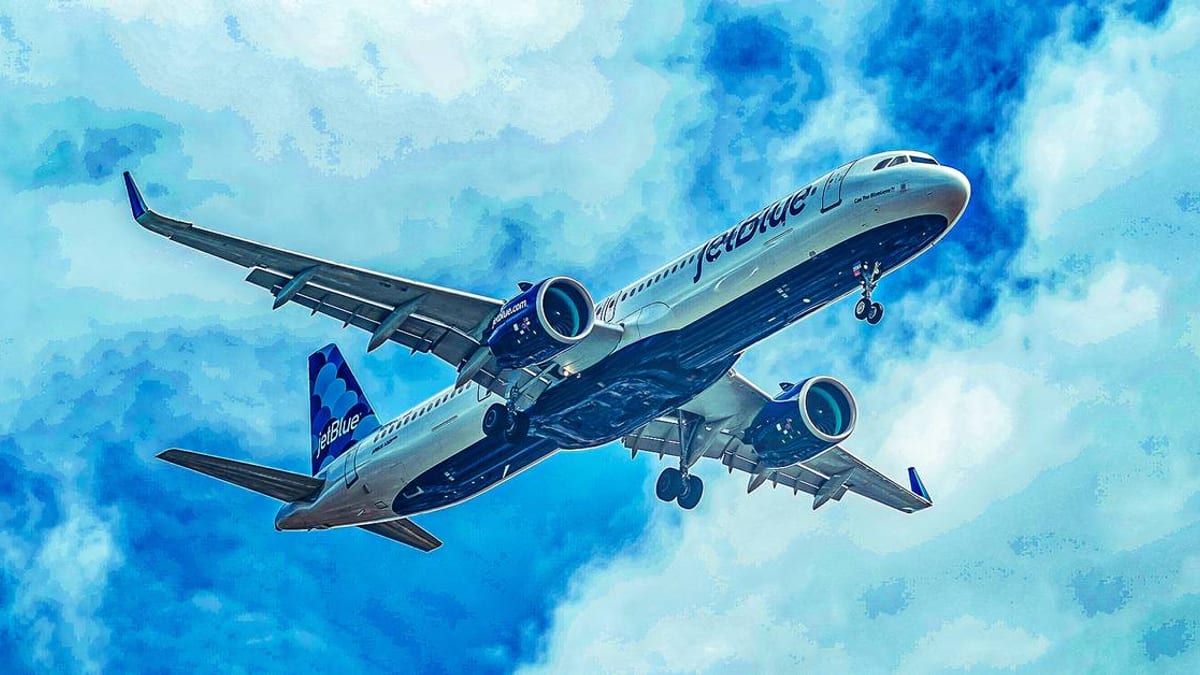
Image by simpleflying.com
Allegations of Inflight Misconduct Surface
According to published coverage and social media accounts, the incident unfolded on a JetBlue flight when a passenger noticed behavior they believed to be sexually inappropriate taking place at the traveler’s seat. Reports indicate the individual was identified by other passengers as a frequent flyer with JetBlue’s highest Mosaic status, a detail that has fueled public attention but has not altered the basic questions about how such conduct is addressed on board.
Accounts posted online describe cabin crew being alerted to the situation midflight, with staff reportedly intervening to stop the behavior and monitor the passenger for the remainder of the journey. There is no indication from publicly available information that the flight diverted or that other travelers were physically harmed, but the alleged behavior left some on board feeling uncomfortable and unsure about what recourse they had while still in the air.
While the precise timing, route, and identity of those involved have not been fully detailed in open sources, the episode is being widely discussed in the context of passenger rights and expectations of decorum, particularly when an airline’s most loyal customers are implicated. Commenters have focused on whether elite status has any bearing on how complaints are handled, and whether more transparent disclosure about post-incident steps is needed.
Mosaic Program and the Question of Equal Treatment
JetBlue’s Mosaic program is a tiered loyalty scheme that offers perks such as early boarding, priority support channels, and additional comfort on board, with higher levels reached through a combination of tiles earned from flights and spending. Publicly available descriptions of the program emphasize benefits such as complimentary seat upgrades, free checked bags, and dedicated customer service access for top-tier members.
The allegation that a passenger with the highest Mosaic status engaged in inappropriate behavior has intensified debate about whether elite customers sometimes receive more lenient treatment when issues arise. Commentary across travel forums and social platforms suggests many travelers expect airlines to apply conduct rules uniformly, regardless of how much a customer flies or spends with the carrier.
Industry observers note that while elite programs are designed to reward loyalty with comfort and convenience, they do not confer special exemptions from behavior policies designed to protect the safety and dignity of the wider cabin. The latest reports have therefore prompted questions about how clearly airlines draw that line in practice and how willing they are to communicate disciplinary actions when high-profile or high-status passengers are involved.
Inflight Conduct Rules and Possible Consequences
Publicly available policies from major United States carriers outline broad prohibitions on disruptive, lewd, or harassing conduct that interferes with crew duties or other passengers’ comfort. In cases where behavior is deemed severe, airlines can involve law enforcement upon landing, issue permanent or temporary bans from future travel, or pursue civil actions related to costs incurred by diversions or delays.
Reports concerning the JetBlue incident do not currently indicate whether any criminal charges have been filed or whether the passenger faces a formal travel ban. However, the nature of the allegations aligns with conduct that many airlines classify as grounds for serious sanctions, especially when linked to potential indecency or unwanted exposure in a confined cabin environment.
Travel rights advocates often encourage passengers who witness or experience inappropriate acts on board to document what they can, notify crew immediately, and file a written complaint with the airline after landing. The visibility of this case, involving an individual identified as a top-tier customer, may influence how willing future witnesses are to come forward when they believe a line has been crossed in flight.
Balancing Passenger Privacy and Public Accountability
The episode also highlights the tension between protecting personal privacy and maintaining public accountability when misconduct allegations arise midair. Airlines are generally restricted from sharing identifying information about passengers, and internal disciplinary decisions are usually handled behind closed doors. At the same time, social media posts and informal accounts can quickly shape a public narrative before official outcomes become clear.
In this case, much of the public understanding of what occurred comes from secondhand descriptions and commentary rather than detailed, official case summaries. That dynamic has led some observers to caution against drawing firm conclusions about intent or legal liability while still acknowledging that many travelers feel unsettled by what has been reported.
Analysts of travel trends suggest that airlines may increasingly need to explain, in general terms, how they respond to inflight conduct complaints, especially those involving allegations of sexual impropriety. Clearer public guidance on when police are notified, how future bookings may be limited, and whether loyalty benefits can be revoked might help reassure passengers that status levels do not shield individuals from consequences.
Ongoing Debate Over Safety, Comfort, and Loyalty Culture
As discussion around the JetBlue incident continues, it is feeding a wider conversation about safety and comfort in crowded cabins where personal space is limited and behavior norms can vary widely. The alleged conduct has been framed by many travelers not only as a matter of individual responsibility but also as a test of how forcefully airlines enforce their standards when the person at issue is a valuable commercial customer.
Frequent flyers and casual travelers alike are using the case to question whether inflight environments have become too tolerant of boundary-pushing behavior, particularly on longer routes where passengers sometimes feel emboldened to act as if they are in a private setting rather than a shared public space. Some commentators argue that recurrent headlines about onboard altercations, intoxication, and sexual misconduct point to a need for clearer preflight messaging about acceptable conduct and the consequences of violating those expectations.
For now, publicly available information suggests that JetBlue and other airlines will continue to face scrutiny over how they balance customer loyalty programs with a firm, even-handed approach to inflight discipline. As more travelers pay attention to incidents involving high-status passengers, the industry may feel growing pressure to demonstrate that elite privileges end where other passengers’ safety and comfort begin.