

More news on this day
JetBlue is rapidly scaling up operations at Fort Lauderdale-Hollywood International Airport ahead of the busy summer travel season, positioning the South Florida gateway as a central hub for new domestic routes and expanded international links across the Caribbean and Latin America.
Get the latest news straight to your inbox!
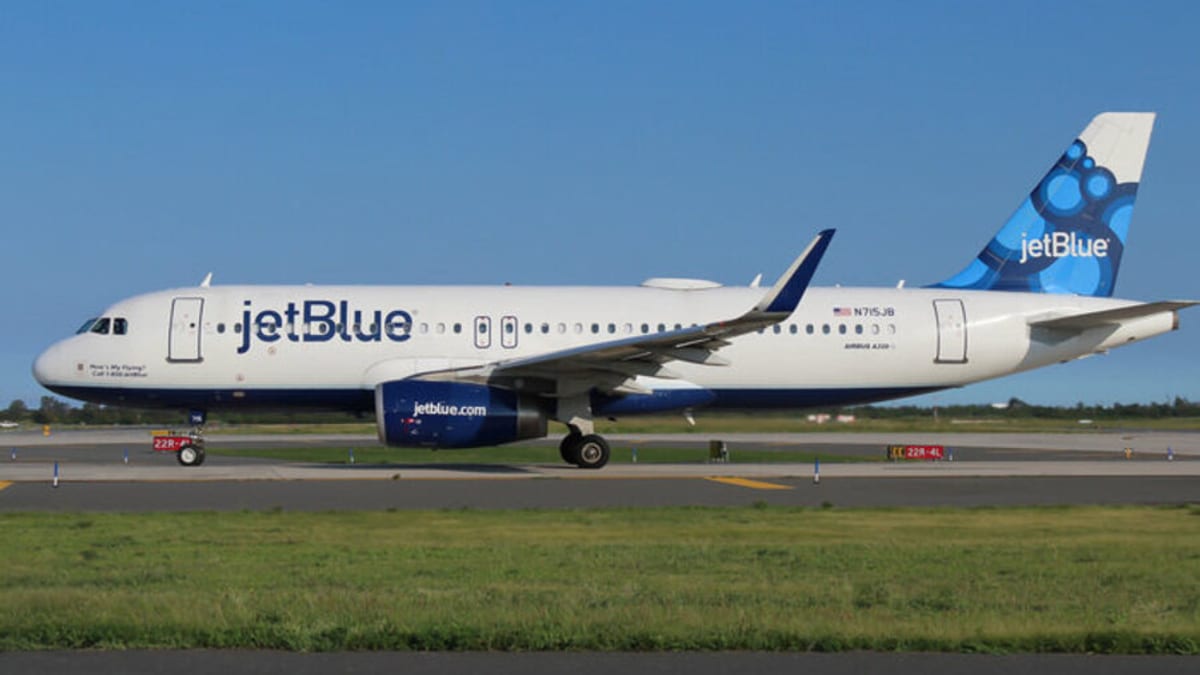
Image by Latest International / Global Travel News, Breaking World Travel News
Fort Lauderdale Emerges as JetBlue’s Strategic South Florida Anchor
Publicly available schedule data and recent corporate announcements show JetBlue steadily concentrating capacity at Fort Lauderdale-Hollywood International Airport, where it is already the largest carrier by departures and seats. The airline has outlined plans for more than 100 daily flights from the airport in 2025, along with record peak-day departures during the winter and shoulder seasons, setting the stage for a strong summer schedule.
Fort Lauderdale has long been described by the airline as a key focus city and gateway, but recent moves effectively elevate it into a central hub in JetBlue’s network strategy. The carrier is using the airport not only as a major origin and destination market for South Florida, but also as a connecting point that links smaller U.S. cities with popular leisure destinations across the Caribbean basin.
While passenger volumes at South Florida airports have fluctuated in recent years, airport statistics indicate that JetBlue’s market share at Fort Lauderdale has continued to edge up, now accounting for roughly one fifth of all passengers. That growing share, combined with infrastructure investments and a widening route map, underscores the airline’s decision to consolidate more of its domestic and near-international flying at the airport.
Industry analysis suggests that this Fort Lauderdale concentration is partly a response to constrained growth opportunities at other East Coast airports and shifting competitive dynamics in South Florida, where carriers are adjusting capacity following the pandemic travel boom and subsequent normalization in demand.
New Domestic Links Feed a Larger Connecting Gateway
JetBlue’s latest schedule updates highlight a wave of new and returning domestic routes into Fort Lauderdale that are designed to feed the airline’s broader network. Recent announcements include year-round nonstop service from Fort Lauderdale to Orlando International Airport and Dallas Fort Worth International Airport, additions that join previously restored links to markets such as Tampa and Norfolk.
These routes add to a growing list of spokes that bring travelers from midsize and secondary U.S. cities directly into JetBlue’s South Florida node. According to published coverage, the airline is also boosting frequencies on existing domestic routes from Fort Lauderdale to major Northeast cities, including New York, to support additional connectivity and offer more schedule flexibility for connections into the Caribbean and Latin America.
By expanding its presence in high-demand leisure markets like Central Florida and North Texas, JetBlue is building a domestic web that can funnel travelers into Fort Lauderdale for same-day onward travel. This strategy mirrors classic hub-and-spoke models, even as JetBlue continues to emphasize point-to-point flying in other parts of its network.
Analysts note that year-round service on these routes, rather than purely seasonal offerings, points to confidence in sustained demand. The domestic expansion is timed to capture a surge of summer travelers looking for access to beaches, cruises, and resort destinations spanning Florida, the Caribbean, and northern Latin America.
International Growth Targets Caribbean and Latin American Demand
Alongside new domestic flights, JetBlue is using Fort Lauderdale to deepen its footprint in international leisure markets. Recent announcements have highlighted additional routes from the airport to destinations such as Santiago in the Dominican Republic and other Caribbean and Latin American cities, reinforcing Fort Lauderdale’s role as a primary gateway between the eastern United States and nearby sun-and-sea destinations.
Reports indicate that the airline now offers more flights from Fort Lauderdale to the Caribbean and Latin America than any other carrier at the airport, with dozens of daily departures during peak travel periods. This concentration allows travelers from smaller U.S. cities to reach popular international destinations with a single easy connection, often avoiding the congestion and longer transfer times associated with larger hub airports.
Travel industry commentary points out that Fort Lauderdale’s geographic position and strong local demand make it an efficient springboard for short- and medium-haul international flying. The airport’s role as a cruise gateway further supports traffic flows, as travelers pair Caribbean sailings with JetBlue flights that either originate or connect through the city.
For the upcoming summer period, the combination of added domestic feeders and expanded international schedules is expected to increase the number of one-stop itineraries available through Fort Lauderdale, giving JetBlue a more competitive offering against legacy carriers that dominate nearby Miami with long-haul widebody operations.
Premium Mint Investment Signals Long-Term Hub Ambitions
JetBlue’s development of Fort Lauderdale as a central hub is not limited to new routes and additional frequencies. The airline is also growing its premium Mint service from the airport and investing in a dedicated Mint inflight crewmember base, which is slated to open in early 2026 according to company disclosures.
The Mint expansion has already increased the number of daily flights offering lie-flat seating between Fort Lauderdale and key West Coast markets. During peak seasons, the airline has pointed to double-digit daily Mint departures, making Fort Lauderdale one of the most robust premium leisure gateways in its system and the only airport in the region with certain domestic lie-flat options on these specific routes.
This premium focus aligns with broader travel trends showing resilient demand for upgraded cabins on long domestic and medium-haul flights, even as overall pricing pressures remain intense. Using Fort Lauderdale as a base for Mint operations signals that JetBlue views the airport as central to its higher-yield leisure strategy, rather than purely a low-fare, high-volume station.
The planned crew base and ongoing schedule growth also imply a long-term commitment to the region that extends beyond any single season. Infrastructure investments of this type typically accompany an expectation of sustained flying levels and an expanded role for the airport within an airline’s broader network plan.
Implications for Summer Travelers and the Competitive Landscape
For travelers planning summer trips in 2026, JetBlue’s Fort Lauderdale build-up translates into more nonstop choices, additional connection options, and potentially more competitive fares on some routes. With new domestic spokes feeding a dense bank of Caribbean and Latin American flights, Fort Lauderdale is becoming a viable alternative to larger hubs for travelers originating in the Northeast, Mid-Atlantic, and parts of the Midwest.
Airport data and schedule filings suggest that on peak days, JetBlue’s departures from Fort Lauderdale will significantly outpace those of rivals, particularly in the leisure segment. That scale gives the carrier flexibility to adjust capacity across domestic and international routes in response to booking trends ahead of and during the summer travel period.
The shift also reshapes the competitive dynamics across South Florida. While Miami International Airport remains the dominant base for long-haul intercontinental services operated by legacy carriers and foreign airlines, Fort Lauderdale is emerging as a concentrated low-cost and hybrid carrier stronghold, with JetBlue at the center. This divide allows travelers to choose between a traditional global hub model at Miami and a growing point-to-point and regional-connecting model at Fort Lauderdale.
As airlines globally recalibrate their networks after several years of rapid change, JetBlue’s decision to anchor more of its domestic and international growth at Fort Lauderdale ahead of the summer season illustrates how mid-sized gateways can evolve into powerful connecting hubs. For South Florida, it adds another layer of connectivity that links U.S. travelers with nearby beach, cruise, and resort destinations at a moment when leisure demand remains a defining force in commercial aviation.