

More news on this day
Spring travelers heading from New York’s John F. Kennedy International Airport to Florida beach and theme park destinations are facing mounting delays, as weather and congestion across the Eastern U.S. ripple through one of the country’s busiest leisure corridors.
Get the latest news straight to your inbox!
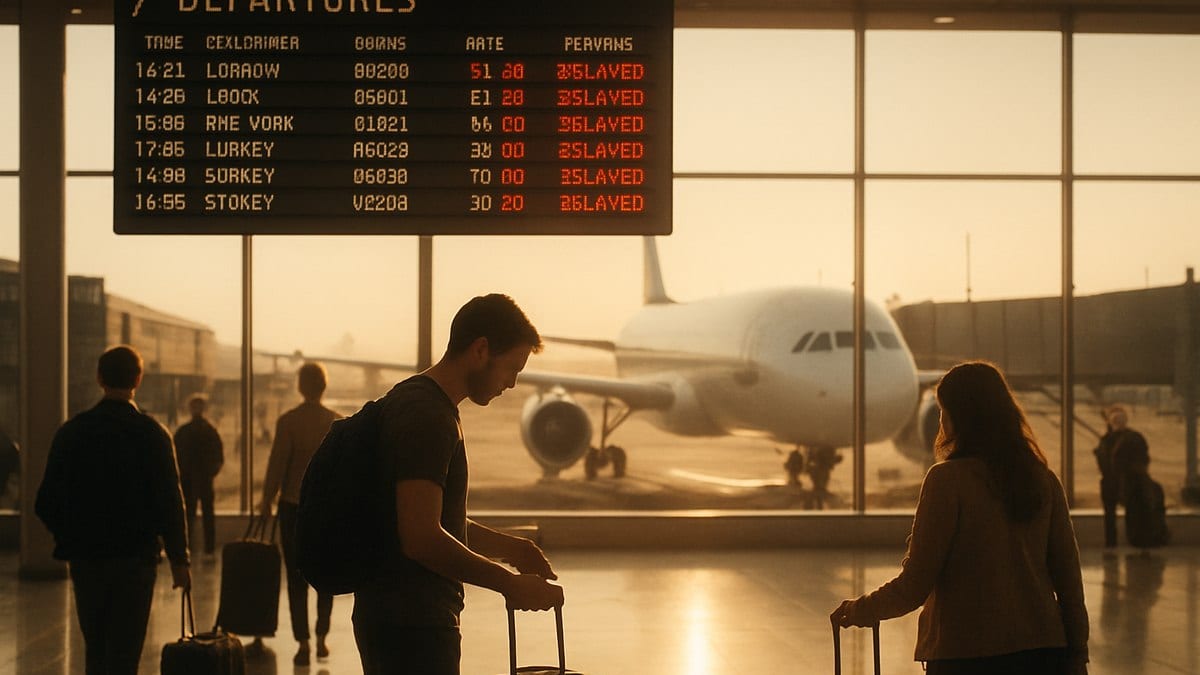
Weather Turbulence Meets a Busy Spring Travel Rush
New York’s air traffic has entered another choppy stretch in early April, with publicly available tracking data showing thousands of delays across major hubs, including New York, Los Angeles, Seattle and Orlando on April 8. New York area airports are among the hardest hit, creating knock-on disruption across domestic networks that rely on those hubs for aircraft and crew rotations.
At the same time, forecasters are flagging heavy rain and flooding risks for parts of South Florida, including Miami and Fort Lauderdale, between Tuesday and Thursday of this week. That combination of poor flying conditions in the north and unstable weather in key southern endpoints is limiting the flexibility airlines typically use to reroute aircraft, leading to longer and less predictable delays on some departures.
The timing is particularly difficult for carriers, coming on the heels of an intense winter disruption pattern that included a major January storm and a powerful March blizzard that together wiped out tens of thousands of flights nationally. Those events left airlines with little slack in schedules and crew availability just as spring break and Easter holiday travel pushed demand higher.
With leisure traffic now peaking and weather systems active along the Eastern Seaboard, New York’s role as a gateway to sun markets is making JFK a focal point for disruption that stretches from airport check-in lines in Queens to hotel lobbies across coastal Florida.
Florida Leisure Corridors Bear the Brunt
Data from flight status and disruption trackers indicate that Florida’s major tourist gateways, including Orlando, Miami and Fort Lauderdale, are all experiencing elevated levels of delays on April 8, alongside a smaller number of outright cancellations. South Florida airports in particular are reporting hundreds of late arrivals and departures as storms slow down operations.
These airports anchor some of the most heavily traveled leisure corridors in the United States, with scheduled data showing dense nonstop traffic linking the New York area to Fort Lauderdale, Miami and Orlando. Fort Lauderdale alone is served by hundreds of monthly nonstops from New York airports, including JFK, while Orlando and Miami each handle tens of millions of passengers annually, many on holiday itineraries built around theme parks and cruises.
When delays cascade out of New York, these corridors feel the impact quickly. Aircraft that start the day in the Northeast and are planned to run multiple roundtrips into Florida can end up hours behind schedule by midafternoon. Once that happens, the knock-on effect can extend to secondary leisure markets such as Florida’s Gulf Coast or smaller resort cities that rely on connecting traffic through major Florida hubs.
Reports from travelers over recent weeks describe missed cruise departures, lost hotel nights and last-minute rental car shortages as visitors attempt to salvage trips by rebooking via alternative airports or driving long distances when flights are cancelled or severely delayed.
Network Strain and Persistent Punctuality Challenges
Federal and industry performance reports released in recent months highlight how structurally vulnerable some U.S. hubs remain to cascading delays. Benchmarks comparing major airports show that New York’s JFK has some of the lowest on-time arrival percentages in the country, with similar figures reported for Fort Lauderdale and Orlando. These metrics underscore how quickly bad weather or congestion can saturate operations at either end of a route.
Studies of 2025 disruption patterns in the United States point to a concentration of delays on select domestic and international routes from large coastal hubs, including New York, Miami and Orlando, which serve as gateways for both business and leisure traffic. Florida routes feature prominently among heavily delayed and cancelled pairings, reflecting the high volume of seasonal travelers and the sensitivity of these markets to storms and air traffic control restrictions.
In practical terms, that means a line of thunderstorms over Florida or a low ceiling and wind in the New York area can trigger traffic management initiatives that slow departures, space out arrivals and, in some cases, prompt ground stops. Once those measures are in place, carriers have limited options to recover during the same operational day, especially when aircraft are tightly scheduled to serve multiple leisure roundtrips.
The result is that relatively routine weather events can generate outsized disruption for holidaymakers whose itineraries are less flexible than those of business travelers, particularly families traveling for school breaks or time-sensitive resort stays.
Travelers Weigh Options as Airlines Adjust
With disruptions building around JFK and Florida hubs, travelers are increasingly turning to rebooking tools and contingency plans to protect upcoming trips. Online forums and social media posts in recent weeks describe passengers shifting to earlier flights, choosing alternative New York airports, or routing through less congested hubs in an attempt to avoid potential misconnects.
Publicly available airline and airport guidance typically recommends that passengers monitor flight status closely in the 24 hours before departure and consider voluntary changes when waivers are offered during forecast storms. On busy Florida leisure routes, those waivers can disappear quickly once aircraft fill up, prompting some travelers to make preemptive moves days before weather systems reach their peak intensity.
Airlines, for their part, are adjusting schedules and aircraft deployment as conditions evolve. Over the past year, carriers have rebalanced some capacity among Florida airports, increasing service to certain South Florida gateways while trimming or reshaping routes elsewhere in the state. Those strategic shifts mean that when irregular operations occur, spare seats may be concentrated in a different city than a traveler’s original destination, complicating same-day recovery efforts.
For passengers booked through JFK to Florida in the coming days, industry data and recent disruption patterns suggest that flexibility and preparation are increasingly essential. Leaving extra connection time, packing essentials in carry-on bags and being ready to accept alternate Florida airports could make the difference between a delayed arrival and a trip that unravels amid another round of ripple effects across the New York hub.