

More news on this day
With federal staffing strains and peak spring travel converging, New York City’s three major airports are again seeing fluctuating security lines, leaving travelers to ask where today’s longest TSA waits really are: JFK, LaGuardia or Newark.
Get the latest news straight to your inbox!
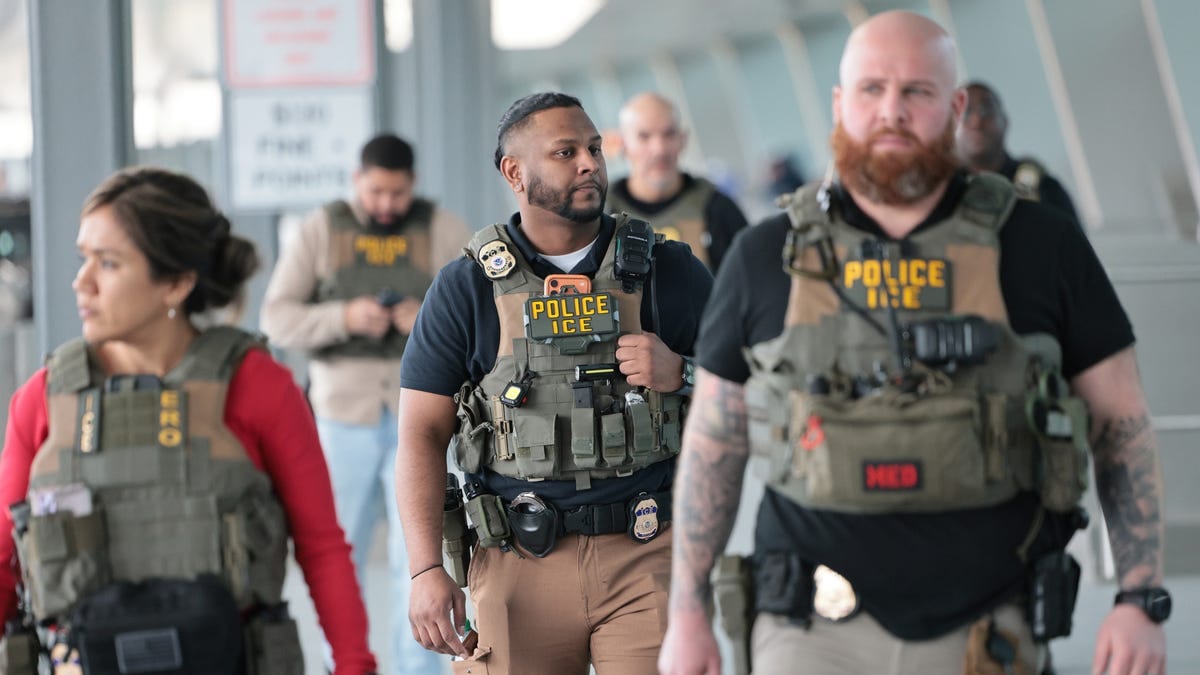
Snapshot of Today’s TSA Wait Times Across NYC Airports
Publicly available trackers that aggregate checkpoint data for Thursday, April 3, indicate that all three major New York area airports are busy, but not uniformly overwhelmed. One widely used dashboard shows early-afternoon general screening waits of a little over 30 minutes at John F. Kennedy International, just under half an hour at Newark Liberty, and the mid-20-minute range at LaGuardia. PreCheck lines remain notably shorter at all three facilities, typically running in the single digits in minutes.
Crowdsourced tools and airport-focused blogs describe a more uneven reality behind those averages. Posts in recent days from travelers at JFK mention wait times swinging from 15 minutes at quieter periods to more than three hours when sudden surges collide with staffing gaps. At LaGuardia and Newark, individual accounts describe similarly sharp swings during morning and late-afternoon peaks, even when official or third-party estimates still appear moderate.
Travel-planning sites that synthesize these data emphasize that today’s readings represent a moving target rather than a fixed number. A checkpoint that shows 25 minutes at 1 p.m. can quickly swell past an hour if several large departures converge or if a lane is briefly taken offline. For travelers, that volatility is now a defining feature of the New York airport experience.
JFK: Widest Swings and the Longest Spikes
Recent coverage of JFK’s security situation highlights especially sharp peaks. An analysis published on Thursday, April 2, reported that general lanes across JFK’s terminals were averaging 5 to 23 minutes that day, yet the same report and social-media posts pointed to ongoing staffing shortages that make those averages highly unstable. In some terminals, passengers described early-morning waits that doubled within an hour.
Travelers posting from JFK’s Terminal 8 over the past week detailed lines that stretched well beyond two hours during the busiest morning departure bank, even for those who arrived more than three hours before departure. Others flying around midday reported waits closer to 15 minutes, illustrating how quickly conditions can ease once the main departure rush passes. These contrasting accounts suggest that JFK can shift from manageable to gridlocked in the span of a single departure wave.
Aggregated airport performance tables compiled by travel-law and aviation blogs place JFK’s typical security wait in the low 40-minute range during the current disruption period, higher than LaGuardia and Newark. Those same tables link longer security lines to gate departure delays that average around 17 minutes during the morning and early afternoon. For passengers, that combination increases the risk that even a modest check-in or bag-drop delay can cascade into a missed flight.
LaGuardia: Shorter Averages, But Risky Peaks
LaGuardia’s security picture today appears slightly less severe in the data, with multiple trackers listing general screening around 25 minutes and PreCheck under 10 minutes in early afternoon. Historically, travel-planning guides note that LaGuardia’s average wait runs a bit shorter than JFK’s, in part because of its more concentrated domestic schedule and recent terminal upgrades.
On the ground, however, travelers have reported some of the region’s most dramatic lines at LaGuardia during specific windows. Posts from Terminal B over the past week describe non-PreCheck passengers facing waits of up to two hours during the pre-dawn departure rush, while others passing through the same terminal in the evening encountered only a few minutes of queuing. These accounts suggest that while LaGuardia’s daily average may look moderate, the timing of arrival is critical.
Crowdsourced monitoring sites that tally user reports show LaGuardia generating fewer total complaints than Newark or JFK, but the spikes that do occur tend to be severe and concentrated. Late afternoon and early evening periods, especially at Terminals B and C, remain the riskiest for encountering unusually long lines. For travelers departing LaGuardia today, building in extra time for those peak windows remains prudent even if current estimates look relatively mild.
Newark Liberty: Historically Worst for Overall Disruption
Newark Liberty International’s TSA lines today, based on public dashboards, are modestly shorter on average than JFK’s, with general screening posted just under 30 minutes and expedited queues closer to 10 minutes. Yet broader disruption indicators suggest Newark remains a challenging airport during the current TSA funding crisis and high-travel period.
A recent analysis of spring travel disruption ranked Newark as the single worst major U.S. airport for overall delays, using a composite score that factors in security lines, gate holds and schedule reliability. In the same report, JFK and other big hubs also featured prominently, but Newark’s combination of crowded terminals, runway configuration and airline hub operations pushed it to the top of the disruption list.
Blogs tracking the impact of supplemental security staffing note that Newark has attempted to ease pressure by trimming some peak-hour flights and adjusting terminal traffic patterns. Even so, the data show average security waits in the low-30-minute range, only slightly below JFK, and gate delays averaging around 11 minutes. For travelers, that means today’s airport-wide averages may still mask pockets of significant congestion at individual checkpoints or terminals.
How Travelers Can Interpret Today’s Numbers
The contrast between posted wait times and firsthand reports underscores the limits of relying on a single app or tracker. Many tools base their estimates on historical patterns plus a small sample of live inputs, which can lag reality during sudden surges. Recent online discussions about New York area airports describe cases in which a site listed an eight-minute PreCheck wait at JFK while passengers arriving at that time encountered lines of more than an hour.
Travel-planning services recommend treating today’s JFK, LaGuardia and Newark numbers as a floor rather than a ceiling. If a tracker shows 25 to 30 minutes for general screening, actual waits can still climb significantly higher during peak banks, especially at terminals where staffing remains tight. Conversely, some travelers arriving at off-peak hours will continue to find unexpectedly smooth passage through security.
Analysts who compile airport performance tables advise combining several sources: an official airport advisory, at least one third-party tracker and recent crowdsourced comments focused on the specific terminal and time of day. Applied to today’s New York region picture, these sources indicate that JFK is experiencing the most extreme spikes, LaGuardia the sharpest but more limited surges, and Newark the heaviest overall disruption once delays beyond security are included.