

More news on this day
In the forested hills of southern Zhejiang, Jinyun County is betting that the thrum of engines and the pull of heritage-rich landscapes can turn it into one of China’s most distinctive motorcycle tourism hubs.
Get the latest news straight to your inbox!
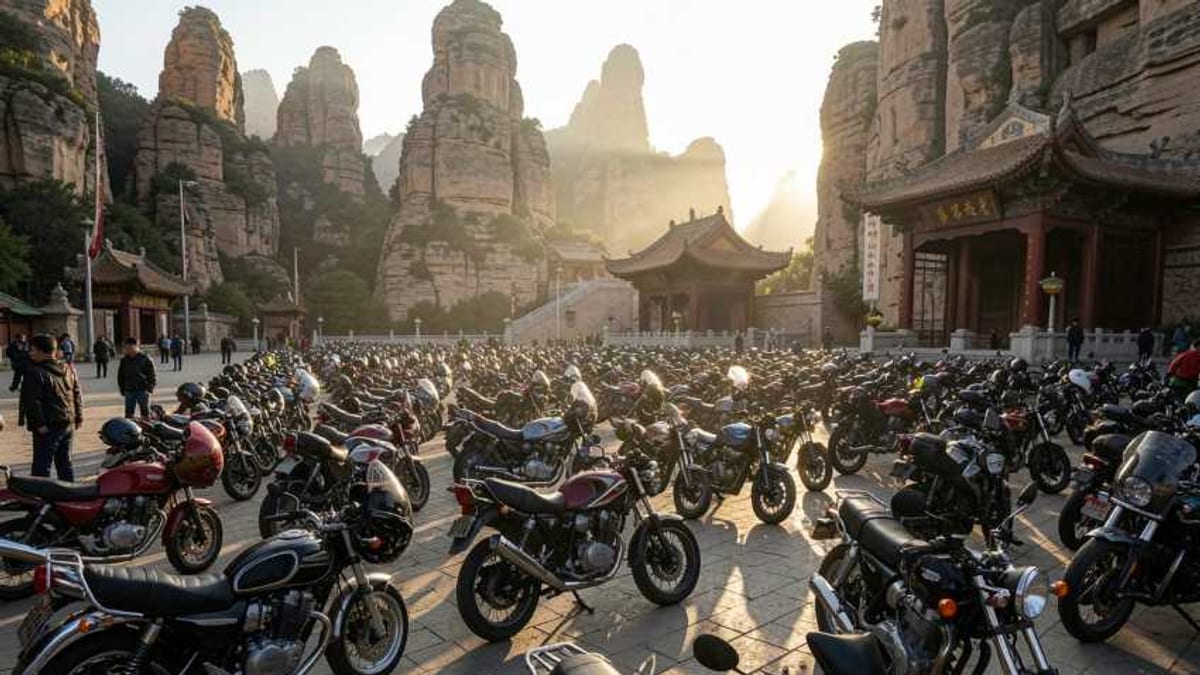
Image by Travel And Tour World
From Yellow Emperor Homeland to Riding Destination
Jinyun County, under Lishui City in Zhejiang province, has long been known in China for its links to the Yellow Emperor, or Huangdi, and the dramatic granite peaks of the Xiandu scenic area. In recent years, publicly available information shows that local planners have begun weaving this cultural narrative together with a fast-growing enthusiasm for motorcycling, positioning Jinyun as a starting point for two-wheeled journeys into some of eastern China’s most scenic backcountry.
Reports on regional development initiatives indicate that the county has embraced the slogan “Ride Across China, Starting from Jinyun,” using it alongside existing culture-led branding to market new experiences that combine mountain roads, river valleys and historic villages. This strategy reflects a wider shift in Chinese domestic tourism, where self-drive and motorcycle trips are increasingly popular among younger travelers seeking flexible, independent itineraries.
Jinyun’s landscape lends itself naturally to this push. The area sits within a broader ecological corridor in southwest Zhejiang known for high forest coverage and carefully protected river systems, offering a backdrop of winding roads, terraced hillsides and stone bridges. By centering motorcycle travel within this setting, the county is attempting to transform long-standing geographic and cultural assets into a cohesive outdoor tourism product.
Flagship Events and a Purpose-Built Service Network
One of the most visible pillars of Jinyun’s motorcycle tourism ambitions is a series of branded events that draw riders from across China. Coverage of recent tourism promotions highlights a large-scale gathering built around the theme “Ride Across China – Yellow Emperor Jinyun,” which has attracted thousands of participants from numerous provinces and overseas markets. These events typically pair long-distance rides and curated routes with cultural performances, local food and rural homestay experiences.
To support this kind of traffic, Jinyun has invested in a dedicated service network tailored to riders. Publicly available information from county-level briefings notes the rollout of multiple motorcycle travel service stations positioned along popular corridors and near key scenic areas. These stations generally offer rest areas, simple maintenance support, parking, charging for devices and wayfinding information, narrowing the gap between informal road trips and organized tour infrastructure.
This service backbone is supplemented by wider tourism upgrades that benefit motorcyclists as well as conventional visitors. Recent summer promotion campaigns in Jinyun have emphasized combined tickets for scenic areas, lodging and activities, along with expanded shuttle options and improved parking management. While these measures are not motorcycle-specific, they feed into an ecosystem in which riders can blend mountain routes with rafting, hiking, village visits and night markets over multi-day stays.
Industry, Technology and the Two-Wheeled Economy
Jinyun’s motorcycle tourism strategy is emerging alongside a significant local role in China’s powersports manufacturing sector. Trade and industry documentation lists Jinyun as the base for major vehicle producers, including facilities that assemble motorcycles, dirt bikes and all-terrain vehicles for domestic and export markets. This industrial depth gives the county a practical connection to riders and dealerships, with visiting groups sometimes pairing factory tours with test rides and regional excursions.
The tourism side is being shaped by technology as much as by hardware. Coverage from national media on Jinyun’s cultural tourism development describes the use of digital tools in the Xiandu scenic area, from smart tour guidance to immersive applications that allow visitors to experience reconstructed scenes from Huangdi-era legends. These digital layers are designed to extend the appeal of stopovers for road travelers, turning a brief scenic pause into a half-day experience of interactive storytelling, dining and shopping.
Economic data released by local authorities over the past two years suggest that this convergence of manufacturing, culture and tourism is feeding into broader rural revitalization. Motorcycle-focused events and related traffic have been linked to new income for village guesthouses, campsites, roadside eateries and specialty food producers. In some townships, reports indicate that motorcycle camps, coffee stands and off-road vehicle experiences have become seasonal anchors for summer and holiday tourism campaigns.
Linking Villages, Scenic Areas and Regional Partners
Jinyun’s bid to craft a premier motorcycle tourism ecosystem also relies on connectivity beyond its own borders. Cooperation agreements between Jinyun and other parts of Zhejiang, such as neighboring Fenghua, outline joint efforts in culture, sports and tourism that include marquee running events and shared red tourism routes. These partnerships are gradually defining cross-county corridors that can be adapted into longer motorcycle itineraries, linking mountain towns and coastal districts under unified branding.
Within Jinyun itself, planners have used tourism drives to tie together scenic zones, ancient villages and new leisure projects. Official summaries of summer initiatives describe discounts on rafting, off-road experiences and cultural attractions coordinated across multiple townships, with marketing materials encouraging visitors to move between several points within a single trip. For riders, this translates into loop routes that combine narrow rural roads, national highways and short off-road segments, punctuated by services geared toward small groups and independent travelers.
Villages near popular roads are positioning themselves to capture this flow. Homestay owners and small operators have expanded offerings including motorcycle-friendly lodging, late dining hours and storage space, while local governments have promoted emblematic snacks and agricultural products as souvenirs. The effect is to turn what might once have been a fuel-and-rest stop into a hub for food, culture and overnight stays, deepening the tourism value of each arrival.
Challenges and the Road Ahead
Despite clear momentum, Jinyun’s motorcycle tourism model still faces structural challenges. National and provincial regulations in parts of China place restrictions on motorcycles using expressways, influencing how and where riders can travel over long distances. This makes the design of safe, attractive alternative routes and clear navigation tools especially important if the county hopes to draw more out-of-province visitors who may be unfamiliar with local road conditions.
Seasonality is another concern. Summer campaigns have underscored Jinyun’s efforts to manage heat, visitor flows and severe weather, including investment in real-time monitoring, emergency planning and upgraded visitor facilities. For motorcyclists, who are more exposed to the elements than car-based travelers, such measures and the availability of shaded rest areas, water and repair assistance can significantly influence perceptions of safety and comfort.
Looking ahead, publicly available planning documents and regional coverage indicate that Jinyun will continue to layer new products onto its motorcycle tourism base, from technology-enhanced cultural attractions to expanded sports events and rural experiences. If these initiatives succeed in maintaining ecological integrity while broadening access and services, the low rumble of motorcycle engines may increasingly become part of the county’s soundscape, symbolizing a form of revitalization that connects heritage, industry and the open road.