

More news on this day
China’s Juneyao Airlines is set to launch a new nonstop route between Wuxi in Jiangsu province and Kuala Lumpur on March 19, 2026, a move that strengthens rapidly growing China–Malaysia travel flows while putting the spotlight on secondary cities and next-generation A320neo aircraft.
Get the latest news straight to your inbox!
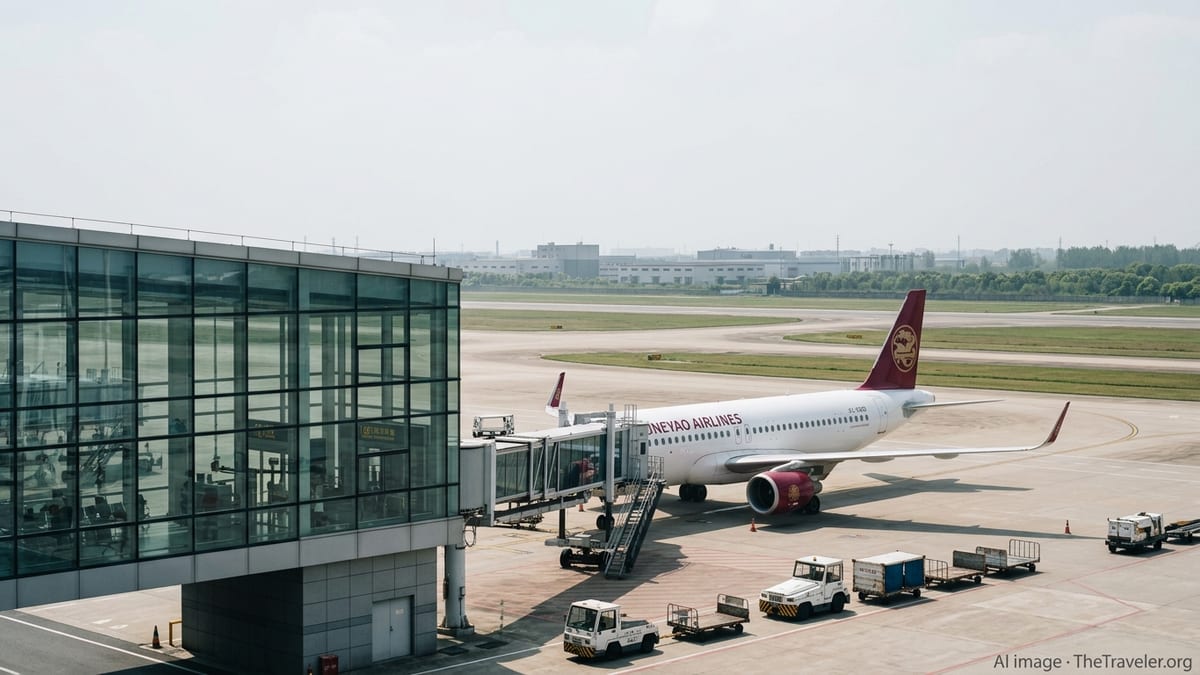
New Wuxi–Kuala Lumpur Link Starts March 19
According to information published by the Wuxi municipal government and industry schedule trackers, Juneyao Airlines will begin operating nonstop passenger flights between Wuxi Shuofang International Airport and Kuala Lumpur International Airport from March 19, 2026. The service will initially run three times per week, adding fresh capacity on one of Southeast Asia’s most in-demand corridors.
Publicly available schedules show that outbound flights from Wuxi to Kuala Lumpur are planned for Tuesday, Thursday and Saturday evenings, while return services from Kuala Lumpur to Wuxi will depart in the early hours of Wednesday, Friday and Sunday. The timings are designed to capture both leisure and business travelers looking for overnight connectivity and same-day arrivals at each end.
Route data from several independent aviation platforms indicates that the Wuxi–Kuala Lumpur pairing will be operated year round rather than as a short seasonal offering. That puts Wuxi alongside larger Chinese cities such as Shanghai and Nanjing that have recently gained or expanded direct links to Malaysia, underlining the depth of demand between the two countries.
The launch comes as airlines across the region race to rebuild and expand their international networks, particularly to tourism and trade hubs in Southeast Asia. For Juneyao, the new route extends its growing Malaysian footprint beyond earlier Shanghai–Kuala Lumpur services and positions the airline to ride a wider China–Malaysia travel rebound.
A320neo Brings Greater Efficiency and Comfort
Industry reports show that Juneyao Airlines plans to deploy Airbus A320neo aircraft on the Wuxi–Kuala Lumpur service, aligning the route with the carrier’s broader strategy of using newer generation narrowbodies on medium-haul markets. The A320neo family is recognized for its enhanced fuel efficiency, quieter engines and improved cabin environment compared with earlier models.
Fleet information made public by Airbus and the airline highlights that Juneyao has invested heavily in A320neo family jets over recent years as part of a modernization drive. On the new Wuxi route, the aircraft’s range and economics support nonstop operations of more than five hours while keeping operating costs competitive, a critical factor on developing international city pairs.
For passengers, the A320neo typically offers updated seating, larger overhead bins and lower cabin noise levels. These features are increasingly important as Chinese carriers compete not only on price but also on onboard experience in markets where international and regional rivals already have a strong presence.
The use of A320neo equipment also has an environmental dimension. More efficient engines and aerodynamic improvements can reduce fuel burn and associated emissions per seat, which is becoming a higher priority for both regulators and travelers in Asia’s fast-growing aviation markets.
Secondary Cities Step Into the International Spotlight
The new link underscores the rise of Wuxi as an international gateway in its own right. Public data on Wuxi Shuofang International Airport shows that it has been positioning itself as a key transport hub in Jiangsu province, serving both Wuxi and nearby Suzhou while adding more international routes in recent years.
By connecting Wuxi directly to Kuala Lumpur, Juneyao reduces the need for travelers from southern Jiangsu to backtrack through larger hubs such as Shanghai or Nanjing for Southeast Asia flights. That can trim hours off total journey times for outbound tourists, business travelers and visiting friends and relatives traffic headed to Malaysia.
The route also opens new inbound opportunities. Malaysian visitors and expatriates gain easier access to one of the Yangtze River Delta’s most dynamic manufacturing and technology regions, while tourism promoters in Wuxi can market the city’s lake scenery, cultural attractions and proximity to Suzhou and Shanghai as part of multi-city itineraries.
Travel industry commentary increasingly points to a shift in focus from megacities to secondary centers on both sides of the South China Sea. Direct connections like Wuxi–Kuala Lumpur give tour operators and corporate travel planners fresh options beyond the traditional Shanghai, Beijing and Guangzhou gateways.
Riding a New China–Malaysia Travel Wave
The Wuxi–Kuala Lumpur launch comes at a time when Malaysia’s inbound numbers from China are climbing quickly and air capacity is being rebuilt and expanded. Malaysian tourism authorities have reported robust growth in Chinese arrivals in 2025 compared with both 2023 and pre-pandemic baselines, aided by reciprocal visa-free policies and targeted airline partnerships.
Recent official and media briefings on Malaysia–China connectivity have highlighted multiple new or upgraded routes linking Kuala Lumpur to Chinese cities such as Shanghai and Nanjing. The addition of Wuxi strengthens this trend, helping to distribute Chinese visitor flows more evenly across regions and feeding into Malaysia’s preparations for its Visit Malaysia 2026 tourism campaign.
For Malaysia, new flights from emerging Chinese cities are seen as a way to tap less saturated source markets and attract higher-spending free independent travelers. For Chinese airlines like Juneyao, the appeal lies in Malaysia’s status as a year round leisure destination and a convenient onward gateway to other parts of Southeast Asia.
Industry observers note that competition on China–Malaysia routes is intensifying as both full service and low cost carriers ramp up capacity. Juneyao’s move to secure a first mover advantage on the Wuxi–Kuala Lumpur pairing, supported by modern A320neo aircraft, reflects a broader push to carve out market share in specific city-to-city corridors before they become crowded.
Strategic Benefits for Juneyao and the Region
From Juneyao Airlines’ perspective, the Wuxi–Kuala Lumpur route fits into a network strategy that combines major Chinese hubs with carefully chosen secondary bases. Publicly available company and airport data show the carrier expanding its presence in cities such as Wuxi while leveraging its Shanghai roots and growing international portfolio.
The new service also enhances connectivity for Jiangsu’s export oriented industries. Direct access to Kuala Lumpur, a regional financial and logistics center, can benefit companies engaged in trade, manufacturing partnerships and investment ties with Southeast Asia, particularly as China and Malaysia deepen cooperation under wider regional frameworks.
For Kuala Lumpur International Airport and Malaysia’s tourism sector, the additional Chinese feeder traffic helps sustain a more diversified airline mix and spreads demand beyond a handful of large mainland carriers. As more routes like Wuxi–Kuala Lumpur come online, both countries gain a denser web of links that can support resilient tourism growth even as travel patterns evolve.
With three weekly A320neo flights scheduled from March 19, 2026, the Wuxi–Kuala Lumpur corridor is poised to become a visible example of how targeted airline expansion, modern narrowbody aircraft and policy support can combine to unlock a new phase of China–Malaysia travel.