

More news on this day
Kalamata International Airport is set for its most expansive summer yet in 2026, with officials confirming a network of 22 destinations served by 31 direct routes, greatly strengthening air links between the Peloponnese and major tourism markets across Europe.
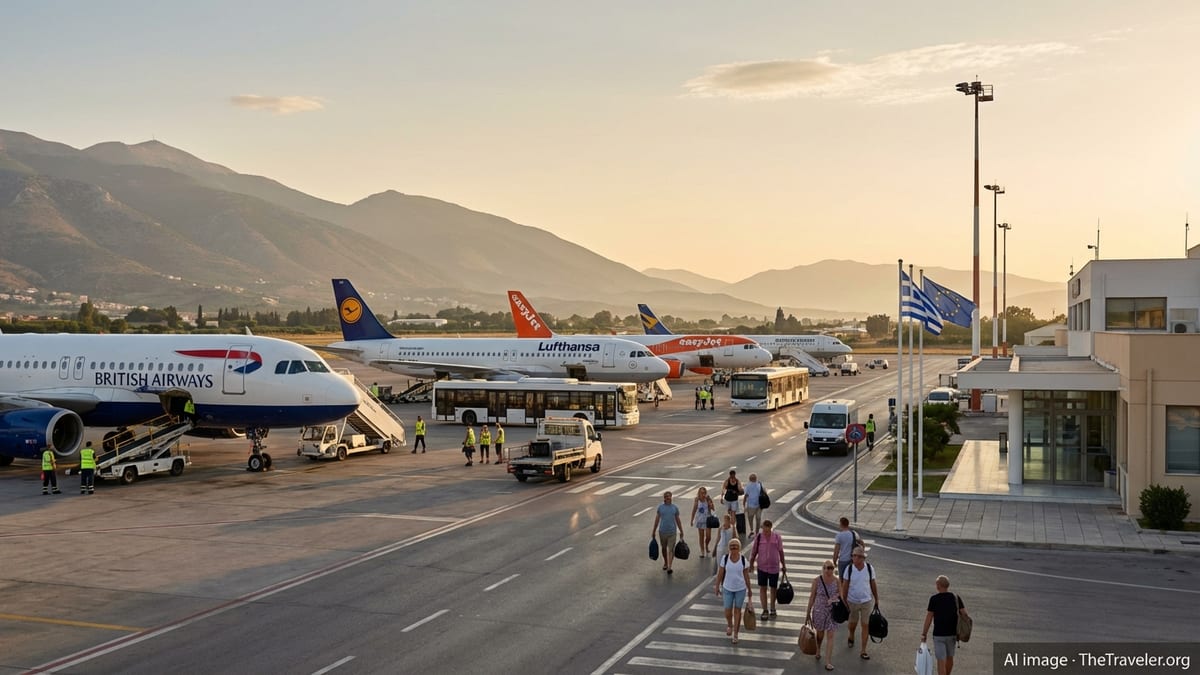
Record Route Map Underscores Rising Demand
The 2026 schedule marks a step change for Kalamata, transforming the southern Peloponnese gateway into one of Greece’s most dynamically growing regional airports. According to regional authorities, the expanded program follows a record year for international arrivals in 2025, when traffic climbed by more than a quarter compared with pre-pandemic levels, highlighting strong interest in coastal and cultural tourism in the area.
With 22 destinations now linked by 31 nonstop routes, Kalamata will see broader coverage across northern and central Europe, while also reinforcing its domestic and intra-Mediterranean role. Airport stakeholders say the broader offering is designed to give tour operators greater flexibility and to support independent travelers seeking alternatives to Greece’s most crowded island gateways.
The intensified network is also expected to enhance connectivity for the wider Peloponnese, including popular coastal resorts in Messinia and Laconia, historic sites such as Ancient Messene and Mystras, and emerging inland agritourism hubs associated with olive oil and wine production.
Officials describe the 2026 schedule as a “milestone year” that will test the airport’s operational capacity ahead of a new phase of infrastructure investment and privatization.
Stronger Links to the UK and Germany
Expanded capacity to the United Kingdom and Germany sits at the heart of Kalamata’s new network plan. Airlines serving these markets are adding routes and frequencies in response to robust demand from leisure travelers and packaged-holiday operators targeting longer stays in the Peloponnese.
From the UK, the airport’s reach will include London Gatwick, where Jet2 is introducing new direct services for summer 2026 alongside existing operations from other carriers. This adds to the airport’s portfolio of British links, positioning Kalamata as a convenient alternative to the better-known island hubs for visitors from England and Scotland.
In Germany, new and returning routes will be operated by carriers such as Condor, Discover Airlines and Eurowings, connecting Kalamata with major hubs including Frankfurt, Munich and Düsseldorf. These services are expected to be particularly important for tour operators selling combined cultural and beach holidays, as well as for independent travelers connecting onward from German cities.
Regional officials note that the German and UK markets continue to deliver some of the highest per-visitor spending in Greece, making the strengthened air links a strategic priority for local tourism and hospitality businesses.
Extending the Tourism Season Beyond Summer Peaks
Beyond simply adding destinations, the 2026 program includes a clear push to lengthen the operating season. Selected routes from Germany are already scheduled to run into November, allowing visitors to benefit from milder temperatures and lower crowd levels in the late autumn months.
Flights operated by Discover Airlines from Munich and by Eurowings from Düsseldorf are among the services planned to continue beyond the traditional October cut-off, supporting local hotels, restaurants and tour providers that have been lobbying for a longer season. Industry representatives say this shift should encourage more hiking, cycling and gastronomy-focused trips, which align with the region’s broader push toward sustainable tourism.
Additional capacity on core summer routes is also being introduced to smooth out peak travel pressure in July and August. By offering more frequency across May, June, September and October, the airport and its airline partners aim to spread visitor flows more evenly, mitigating strain on local infrastructure while maintaining strong occupancy levels for tourism businesses.
Local tourism boards are expected to align their marketing campaigns with these expanded shoulder-season connections, emphasizing experiences such as olive harvest visits, wine festivals and cultural events that are best enjoyed outside the height of summer.
Investment, Privatization and a New Terminal on the Horizon
The route expansion in 2026 is closely tied to a wider investment strategy for Kalamata Airport. The facility, currently operated under a long-term concession involving Fraport Greece and Greek investment partners, is preparing for an upgrade program that includes a new terminal and enhancements to airside and landside infrastructure.
Planned works include improvements to passenger handling areas, security screening, check-in facilities and baggage systems, as well as upgrades to aprons and taxiways. Extended operating hours and additional staffing are being considered to accommodate the higher volume of flights and to reduce bottlenecks at peak times.
Regional officials say the pending privatization steps and the entry of a specialized airport operator are expected to accelerate these developments. The goal is to align Kalamata with the standards already seen at other modernized Greek regional airports, improving both efficiency and passenger experience.
Alongside infrastructure, a significantly expanded co-marketing program between the Region of the Peloponnese and airlines operating at Kalamata is in place through 2026. The marketing budget has nearly doubled compared with earlier periods, with total airline co-advertising investment projected to reach around two million euros, focusing on high-potential markets in northern Europe.
Benefits for Local Communities and Wider Greek Tourism
Tourism and government representatives in the Peloponnese stress that the new route map is not just about visitor numbers, but also about dispersing economic benefits more widely. With improved access to Kalamata, smaller coastal towns and inland villages are expecting increased demand for family-run accommodation, local transport, dining and cultural experiences.
Local authorities argue that enhanced international air connectivity will encourage investment in upgraded hotels, boutique properties and experiential tourism ventures, such as farm stays, wellness retreats and outdoor adventure operators. This, they say, should help keep more young residents in the region by creating skilled jobs and diversifying the local economy beyond seasonal work.
For Greece’s wider tourism strategy, the growth of Kalamata Airport supports the long-stated objective of shifting some visitor traffic away from the busiest Aegean islands. By investing in regional gateways like Kalamata, policymakers hope to ease congestion during peak months while showcasing lesser-known regions that offer a blend of beaches, heritage sites and nature.
As airlines finalize their 2026 summer schedules over the coming months, industry observers will be watching Kalamata closely as a test case for how targeted investment, co-marketing and a diversified network can reshape the role of a regional airport in Greece’s tourism landscape.