

More news on this day
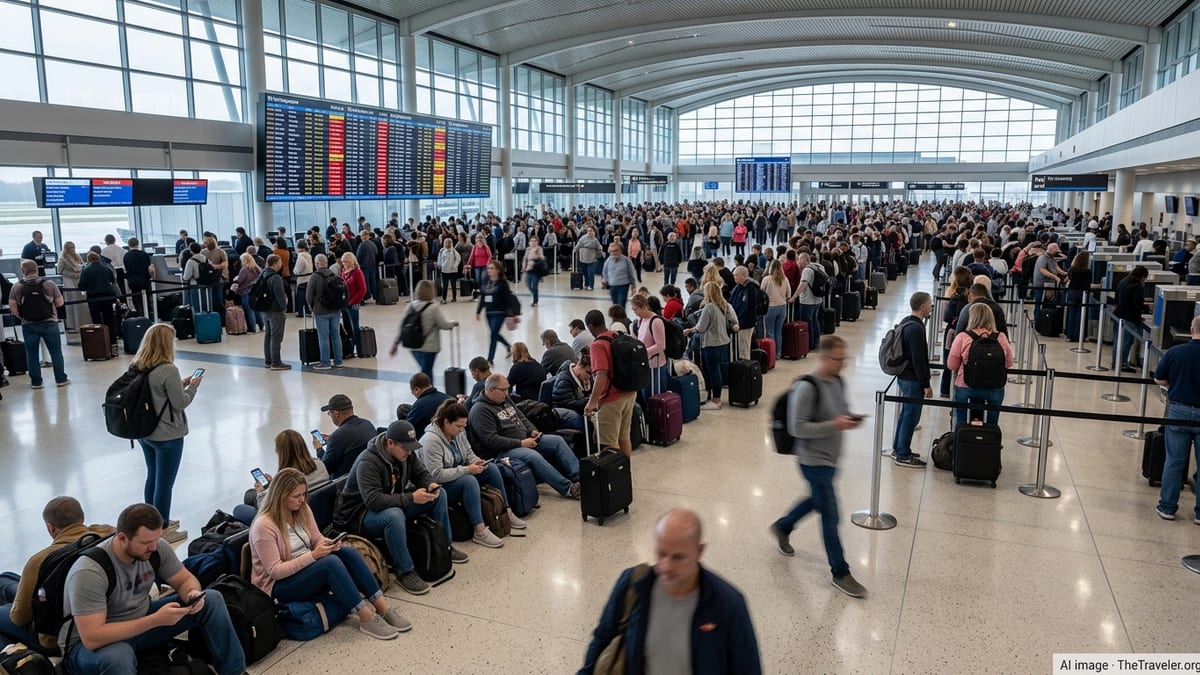
Travelers counting on an easy spring break departure from Kansas City International Airport may be in for a rude awakening, as recent evacuations, winter storms and nationwide security staffing turmoil converge to create one of the most volatile travel periods in recent memory.
Get the latest news straight to your inbox!
Evacuation Fallout Still Rippling Through Flight Schedules
Operations at Kansas City International Airport are still feeling the effects of a disruptive terminal evacuation earlier this month, just as peak spring break traffic ramps up. Published coverage indicates that on March 8 parts of the airport’s new single terminal were cleared while law enforcement assessed a reported potential threat. Flights already on the ground were held, and passengers were moved out of secure areas, creating cascading delays as aircraft and crews fell out of position.
The airport has since reopened and resumed normal security procedures, but disruption on that scale rarely ends when the all-clear is given. The immediate impact included missed connections, diverted aircraft and crews timing out, and airlines scrambling to rebook hundreds of travelers. As the industry heads into one of its busiest leisure periods of the year, those schedule ripples are combining with fresh weather and staffing issues to squeeze available seats and flexibility.
For travelers who booked tightly timed itineraries in and out of Kansas City around March and early April, the residual imbalance in aircraft and crews increases the risk that even minor delays can snowball into lengthy waits, rolling cancellations or unplanned overnight stays.
Historic Winter Weather Compounds a Brutal Season
The latest turbulence at Kansas City International Airport comes on the heels of a punishing winter across the central United States. Earlier in the season, the region saw significant snow and dangerous wind events that disrupted flights and closed roads across the metro. Local television and weather outlets reported that storms in late January brought several inches of snow to the airfield, prompting airlines to trim schedules and warn passengers to expect extensive delays.
The broader national picture has been just as bleak. In recent days, a sprawling storm complex has hammered the Midwest and Plains with blizzard conditions, while other parts of the country endure flooding rains and severe thunderstorms. National outlets report that the system has produced thousands of cancellations and delays at major hubs across the network, straining aircraft availability and crew rotations well beyond the directly affected cities.
For Kansas City travelers, that means disruption can hit even on blue-sky days. A flight leaving MCI may be perfectly clear to depart, but its inbound aircraft could be snarled in deicing backlogs or weather ground stops in another city. The result is a fragile system where a winter storm hundreds of miles away can still derail a family’s long-planned spring break departure.
National TSA Turmoil Raises the Risk of Long Lines
Adding another layer of uncertainty is a growing security screening crunch at airports nationwide. A partial shutdown of the Department of Homeland Security has left Transportation Security Administration officers working without pay in many locations, a situation that has produced spikes in unscheduled absences and visible strain on airport checkpoints. National travel and consumer outlets report three-hour or longer lines at some major hubs in recent days, with photos of security queues stretching across parking garages.
While Kansas City’s screening operations have not seen the same level of meltdown as the hardest hit airports, the system is deeply interconnected. When TSA resources are stretched at neighboring hubs, airlines adjust schedules, rebook passengers through alternative gateways and shift demand patterns, all of which eventually ripple into mid-continent airports like MCI. The uncertainty also forces travelers to arrive much earlier than usual, packing terminals with passengers wary of missing flights at the very start of their vacations.
Travel advisories from multiple sources now encourage passengers across the country to budget significantly more time for security, especially for morning bank and weekend departures. For Kansas City, where spring break demand is peaking and a significant share of travelers are infrequent flyers with families in tow, even modest slowdowns at checkpoints can quickly translate into missed flights and crowded rebooking counters.
Spring Break Surge Meets a Fragile Air Travel System
All of these pressures are converging just as Kansas City’s spring break season hits full stride. Universities and K–12 districts across the region are entering staggered holiday periods running through late March, and airlines have built schedules that rely heavily on full flights to warm-weather destinations. Industry analyses point out that when load factors are already high, there is far less slack in the system to absorb irregular operations.
Reports from airline trackers and travel waiver notices show that carriers are already issuing flexible rebooking options for parts of the Midwest because of the latest bout of severe weather. Those waivers, while helpful, are also a signal that airlines expect continuing volatility and limited options for same-day reaccommodation. Passengers departing from Kansas City can expect crowded flights, limited standby availability and fewer open seats for last-minute changes if something goes wrong.
The combination of high demand, recent evacuations, winter-weather backlogs and national security line turmoil has created a travel environment where delays are more likely, recoveries are slower and simple disruptions can quickly spiral. For travelers who have not yet booked flights or who still have flexibility in their plans, this spring break may warrant a more cautious approach than usual.
How Travelers Can Rethink Their Plans Now
For those still determined to fly through Kansas City International in the coming weeks, preparation and flexibility are increasingly essential. Travel experts and consumer advocates consistently recommend building in larger buffers than usual, including allowing extra time for security and avoiding tight connections through weather-prone hubs. With the national flight network under strain, having alternative routes in mind and monitoring airline apps closely before leaving home can make the difference between a disrupted day and a lost vacation.
Families with rigid school calendars may find it difficult to shift dates entirely, but there are still meaningful adjustments to consider. Flying a day earlier than strictly necessary, targeting midweek departures instead of peak weekends, or choosing earlier flights in the day can all reduce the odds of getting stranded if weather or staffing issues flare again. Travelers who have not yet booked may also want to compare driving distances to alternative regional airports that have been less directly affected by recent evacuations and national staffing strains.
For now, publicly available information suggests that Kansas City International remains open and functioning, but within a national air travel system that is highly stressed. Anyone planning to launch a spring break getaway from MCI should be prepared for a far less predictable experience than the glossy vacation brochures might suggest, and be ready to rethink their plans as conditions evolve in the days leading up to departure.