

More news on this day
India’s growing fascination with dark skies and deep space is reshaping domestic travel, as Karnataka moves to position itself alongside Uttarakhand, Himachal Pradesh, Ladakh and Gujarat as a leading destination for stargazing, astro-photography and night-sky tourism.
Get the latest news straight to your inbox!
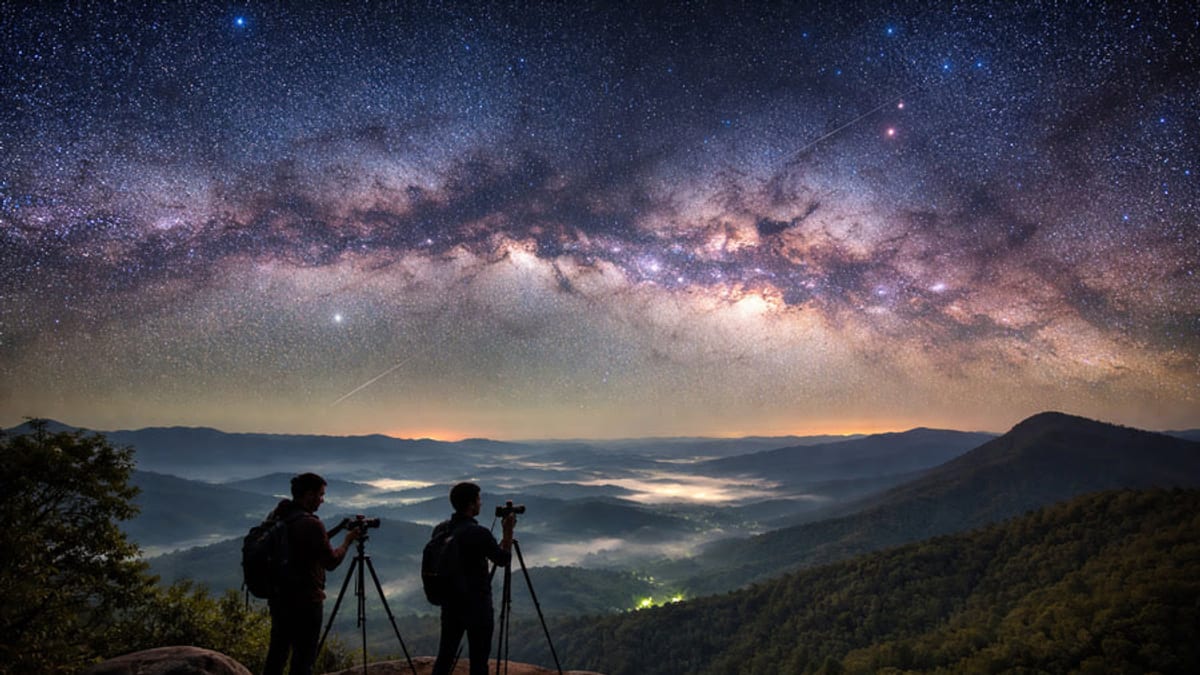
Image by Latest International / Global Travel News, Breaking World Travel News
Astronomy Tourism Goes Mainstream Across India
Over the past few years, astro-tourism in India has shifted from niche hobby to mainstream travel trend, with Himalayan states and western desert landscapes drawing visitors seeking pristine night skies. Publicly available information shows that Ladakh’s Hanle region, notified as India’s first dark sky reserve in 2022, helped put the country on the global map for serious stargazers and astro-photographers by combining observatory infrastructure with strict light-control measures and community-based tourism.
Uttarakhand and Himachal Pradesh have followed with their own high-altitude stargazing circuits, where trekking routes now double as observation points for the Milky Way and seasonal meteor showers. Campsites and small resorts have begun marketing moonless-night calendars, red-light torches and tripod rentals, reflecting how celestial events are increasingly shaping travel itineraries in the northern mountains.
Further west, Gujarat has tapped the clear, dry skies around the Great Rann of Kutch and semi-arid interiors for star camps and night-sky festivals. These initiatives, combined with Ladakh’s dark sky reserve and emerging Himalayan astro-villages, have created a loosely connected “night-sky belt” stretching from the trans-Himalaya to the Arabian Sea.
Sector analysts note that this rise in astro-tourism reflects broader post-pandemic travel patterns, with domestic visitors looking for slower, nature-led experiences and offbeat destinations that avoid urban light pollution. States are responding with new observatory projects, training programmes for night-sky guides and efforts to codify dark-sky friendly infrastructure guidelines.
Karnataka Steps Up With Hill Stations, Coasts and Backcountry Skies
Karnataka is increasingly prominent in this national picture, leveraging both its elevated interiors and relatively unspoilt coastal stretches for night-sky tourism. Travel features and astronomy forums regularly highlight the highlands around Chikkamagaluru, the Western Ghats and parts of the Deccan plateau as offering stable weather windows, darker horizons and accessible vantage points within an overnight drive of Bengaluru and other major cities.
Reports indicate that local operators in coffee estates and hill retreats are adding basic astrophotography amenities such as viewing decks, power backup for long exposures and guidance on optimal shooting times. In parallel, interest is growing in sea-facing locations in coastal districts such as Uttara Kannada, where offshore islands and lighthouse viewpoints give foreground interest for wide-field Milky Way compositions during the dry season.
Karnataka’s established ecosystem of research institutions and amateur astronomy clubs is also underpinning this shift. Publicly available information shows that Bengaluru-based astronomy groups, planetariums and outreach initiatives have long nurtured a strong base of amateur observers and photographers. This community is now helping identify dark-sky pockets, run star parties and share best practices on responsible astro-tourism in the state’s rural and wilderness areas.
As operators and enthusiasts collaborate, itineraries are emerging that combine day-time hiking, plantation tours or coastal excursions with structured night-sky sessions. The combination of relatively good roads, a strong urban source market and varied landscapes is positioning Karnataka as a southern counterweight to the northern Himalayan hubs.
From Hanle to Himalayan Meadows: Benchmark Sites Lead the Way
Ladakh’s Hanle valley remains the reference point for India’s astro-tourism boom, offering some of the darkest skies in the country alongside professional-grade infrastructure such as optical and gamma-ray telescopes. Published coverage notes that homestays there have received telescopes and basic training, turning local residents into “astro-ambassadors” who help visitors read constellations, photograph deep-sky objects and understand the importance of limiting artificial light.
In Uttarakhand, high meadows and remote campsites have become informal dark-sky venues, where trekking groups increasingly devote evenings to capturing the galactic core above snow peaks. Travel accounts describe how these locations, often accessible after moderate hikes, are attracting photographers who once focused solely on sunrise and sunset landscapes.
Himachal Pradesh has seen similar developments, with high-altitude valleys and villages that already hosted adventure tourism now experimenting with night-sky add-ons, including telescope sessions and astrophotography workshops during clear-sky months. These initiatives are helping extend tourist seasons shoulder-to-shoulder with the traditional summer and snow periods.
In Gujarat, desert edges and salt flats provide expansive, low-horizon vistas prized by photographers seeking minimal light pollution and dramatic reflections. Star parties around new moon phases are increasingly featured in regional tourism calendars, highlighting how dark-sky events are becoming a formal part of state-level promotion efforts that Karnataka is now looking to match.
Why Karnataka Appeals to Astro-Photographers and Night-Sky Fans
For astro-photographers, Karnataka offers a mix of accessibility and diversity that complements India’s northern dark-sky icons rather than competing with them directly. The state’s Western Ghats feature ridgelines and valleys with relatively lower light pollution than the urban corridors, yet remain close enough to cities to enable weekend trips timed around clear forecasts and moon phases.
Landscape photographers are drawn to compositions that pair star-filled skies with elements such as coffee plantations, waterfalls, ancient temples or coastal rock formations. Astronomy-focused travel blogs point out that this variety of foregrounds allows visitors to build multi-night portfolios within a single region, compared with the more extreme logistics often required for trans-Himalayan sites.
Climate is another differentiator. While Himalayan dark-sky sites can be inaccessible during winter or affected by monsoon cloud cover, parts of interior and coastal Karnataka see usable windows outside peak tourist seasons. This creates opportunities for shoulder-season getaways that align with major celestial events, including planetary conjunctions, meteor showers and the galactic core’s visibility period.
The presence of an active technology community in Bengaluru also supports rapid diffusion of astrophotography techniques. Workshops on long-exposure imaging, stacking and post-processing are commonly held in the city, with participants later testing their skills on field trips to darker sites within the state. This loop between urban learning and rural practice is boosting both interest and visitor numbers.
Balancing Dark-Sky Protection With Tourism Growth
As Karnataka grows its profile as a stargazing hub, conversations around light pollution, habitat protection and visitor management are gaining prominence. Experiences from Ladakh, Uttarakhand, Himachal Pradesh and Gujarat are shaping the debate, underlining the need to protect dark skies as a finite resource even as more travelers seek them out.
According to publicly available planning documents and media reports on dark-sky initiatives elsewhere in India, key measures include limiting harsh outdoor lighting, encouraging shielded fixtures, promoting warm-color streetlights and educating visitors on responsible use of vehicle headlights around observation sites. Some destinations have experimented with night-time curfews on bright signage and organized observation zones set back from sensitive habitats.
In Karnataka, stakeholders are beginning to discuss how similar principles could apply to hill towns, plantation belts and coastal stretches with astro-tourism potential. Operators are exploring low-impact options such as battery-powered red lights, designated tripod areas and guidelines that prioritize silence, waste reduction and respect for local communities during late-night sessions.
Observers note that if Karnataka can embed these practices early, it may avoid some of the growing pains seen in other destinations where rapid visitor growth has put pressure on infrastructure and skies alike. By aligning with national efforts to expand dark-sky reserves and night-sky education, the state is poised to take a central role in India’s evolving astro-tourism circuit.