

More news on this day
As Europe’s most-visited destinations grapple with overtourism and climate pressures, Karpathos in Greece’s Dodecanese is emerging from relative obscurity, joining the wish lists of travelers from Germany, France, Sweden, Norway, Portugal, Bosnia and Herzegovina and other markets seeking a more authentic Mediterranean escape.
Get the latest news straight to your inbox!
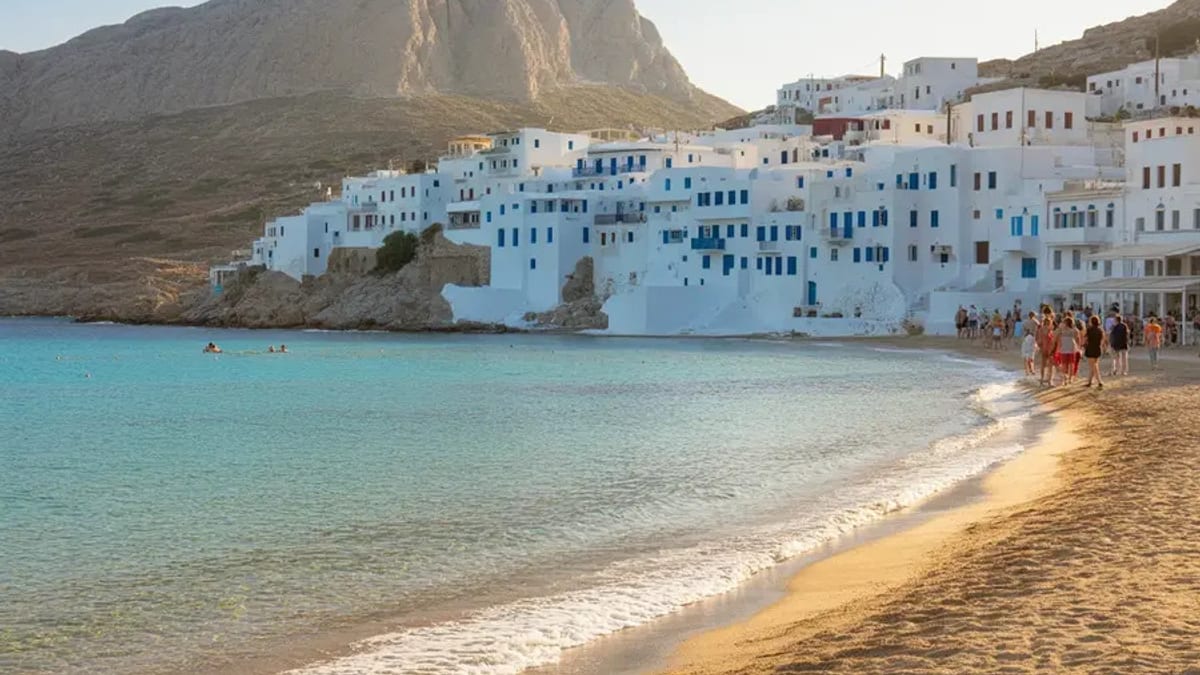
Image by Latest International / Global Travel News, Breaking World Travel News
A Rising Star in Europe’s Shift Toward Authentic Travel
Across Europe, travel patterns are shifting as visitors look beyond classic hotspots in search of quieter, more characterful places. Industry analyses point to a growing preference for lesser-known destinations and shoulder-season trips, driven by overcrowding, heatwaves and rising costs in some of the continent’s most famous resorts. Publicly available data from European travel bodies indicates that a significant share of travelers now plan to visit less popular locations, reflecting a broader move toward authenticity and local connection.
Within this trend, Greece continues to rank among Europe’s leading countries for tourism, but attention is increasingly focused on islands that have largely avoided mass development. Karpathos, set between Rhodes and Crete in the southeastern Aegean, is now appearing in international rankings of “hidden gems” and underrated destinations. Surveys and features in European travel media have highlighted the island’s beaches, hiking routes and traditional villages as reasons it stands apart from more commercialized Greek islands.
By 2025, Karpathos had been listed among top “hidden” or “underrated” destinations in global and regional travel coverage, while also receiving recognition as Greece’s leading authentic island destination from international award organizations. These accolades, amplified in German, Scandinavian and wider European media, are helping to reposition the island from a niche choice to a central example of where European tourism may be heading.
Travel commentary and user-generated reports describe an island that is still markedly more low-key than better-known Greek hotspots, even as visitor numbers rise. Many accounts emphasize that despite new development, Karpathos retains a lived-in feel, with working villages, small harbors and family-run businesses anchoring daily life alongside growing tourism.
Air Routes and Visibility Grow From Germany and Northern Europe
One of the clearest signs of Karpathos’s changing status is the expansion of air connections from central and northern Europe. Greek and European aviation reports show that Eurowings is adding a direct Düsseldorf to Karpathos route from May to October 2026, strengthening ties with one of Greece’s most important source markets for summer travel. The planned weekly connection, operating late into the autumn shoulder season, is framed in industry briefings as a way to support experience-focused and authenticity-driven tourism on the island.
Earlier seasonal programs have already brought visitors from Germany, Sweden and Norway to the wider Dodecanese, with tour operators packaging Karpathos as a quieter, more nature-rich alternative to busier islands. Travel-program listings from Nordic tour groups highlight itineraries that pair Karpathos with nearby islands, as Scandinavian travelers increasingly seek hiking, windsurfing and cultural experiences in the Aegean rather than purely resort-based holidays.
Destination marketing material shared across European trade fairs underscores this pivot. Presentations targeted at markets such as Germany, France and Scandinavia spotlight Karpathos’s traditional villages, walking trails and culinary heritage, positioning the island alongside other European regions branding themselves around authenticity, such as rural France, coastal Portugal or lesser-visited areas of Norway and Bosnia and Herzegovina.
As air access improves, industry analysts suggest that capacity will remain relatively modest compared with major Greek hubs, which may help the island avoid excessive concentration of arrivals on any single day. The emphasis from airline and tourism partners on extending the season into spring and autumn is also presented as a tool to spread visitor flows more evenly throughout the year.
Eco-Tourism, Hiking and Low-Impact Experiences Take Center Stage
Beyond air links, Karpathos is investing in the kind of experiences that align closely with Europe’s evolving tourism values. Regional planning documents highlight new and upgraded walking routes on Karpathos and the neighboring islet of Saria, part of a strategy to develop hiking and eco-tourism products that make better use of the island’s rugged interior and protected natural areas.
The “Upgrading Hiking Routes in Karpathos and Saria” initiative, described in recent project summaries, sets out to signpost, maintain and promote a network of trails suitable for independent walkers and organized groups. Local authorities and partners present the project as a tangible step toward balancing tourism growth with environmental preservation, appealing to visitors who favor low-impact activities and longer stays.
Outdoor-focused events are supporting this positioning. Climbing and adventure festivals, trail-based excursions and guided nature tours have been promoted in Greek and international travel media, with Karpathos often singled out for its combination of dramatic coastline, clear waters and relatively uncrowded routes. Coverage in specialist outlets emphasizes opportunities for diving, windsurfing, cycling and birdwatching, alongside more traditional sun and sea holidays.
This eco-leaning profile aligns Karpathos with a wider group of European destinations that are reframing their tourism offer. Comparable initiatives are underway in rural parts of Portugal, Norway’s fjord regions and mountainous areas of Bosnia and Herzegovina, all of which are being marketed as alternatives to more heavily visited coastal and urban centers.
Cultural Heritage and Everyday Island Life Remain Intact
Another factor elevating Karpathos on the European stage is the persistence of local culture and everyday island life. The mountainous village of Olympos and other traditional settlements have long been noted in guidebooks for their preserved architecture and customs, including festivals, music and local dress. Reports and travelogues from recent seasons indicate that these elements are still visible, even as tourism becomes a growing part of the local economy.
Travel writers and visitors frequently describe village streets where bakeries, kafeneia and family homes sit alongside small guesthouses and tavernas, rather than large resorts. Culinary features produced for European audiences have focused on Karpathian recipes, local cheeses and dishes associated with religious and seasonal celebrations, presenting food as a lens through which to experience the island’s identity.
This emphasis on culture over spectacle mirrors shifts seen elsewhere in Europe as travelers look for trips that feel rooted in local life. Towns and regions in Germany, France, Sweden and Portugal, for example, are increasingly foregrounding vernacular architecture, small-scale producers and regional traditions in their tourism storytelling. Karpathos is being grouped into this cohort of destinations that market themselves less on nightlife and large attractions and more on atmosphere, community and continuity.
Nonetheless, observers note that construction and new tourism infrastructure are now visible across parts of the island. Commentary warns that managing this growth will be critical if Karpathos is to maintain the qualities that have made it so attractive to visitors seeking authenticity in the first place.
Balancing Growth, Sustainability and Europe’s Tourism Future
The prominence of Karpathos in recent rankings, awards and travel features has coincided with intensifying debate over Europe’s tourism future. Policy discussions in Greece and across the European Union increasingly focus on spreading demand away from overcrowded centers and encouraging visitors to explore lesser-known areas that can benefit economically while preserving cultural and environmental assets.
Greece’s national tourism strategy documents and public messaging have identified “authentic” and alternative destinations as a priority, with Karpathos often cited among examples that can relieve pressure from saturated islands closer to Athens or major cruise routes. This places the Dodecanese island within a broader map that includes under-the-radar coastal regions in France and Portugal, rural landscapes in Germany and Sweden, and nature-based itineraries in Norway and Bosnia and Herzegovina.
Analysts point to both opportunities and risks. Increased air connectivity and media attention can bring welcome revenue and jobs, but unmanaged growth risks repeating challenges already seen in other parts of the Mediterranean. Water resources, waste management and housing affordability for residents are all highlighted in local and academic studies as areas requiring careful oversight as tourism numbers rise.
For now, publicly available visitor feedback and travel reporting suggest that Karpathos largely retains the qualities that have propelled it into the spotlight: open landscapes, accessible nature, strong local traditions and a relatively calm atmosphere even in high season. As more travelers from Germany, France, Sweden, Norway, Portugal, Bosnia and Herzegovina and beyond look for alternatives to Europe’s most crowded resorts, the island is increasingly held up as a test case for how the continent can grow tourism without losing the authenticity so many visitors now seek.