

More news on this day
Kazakhstan has issued an urgent warning advising its citizens to avoid travel to Iran and calling on those already there to leave “as soon as possible,” as mounting tensions between Tehran and Washington trigger a cascade of evacuation alerts and route disruptions across the Middle East.
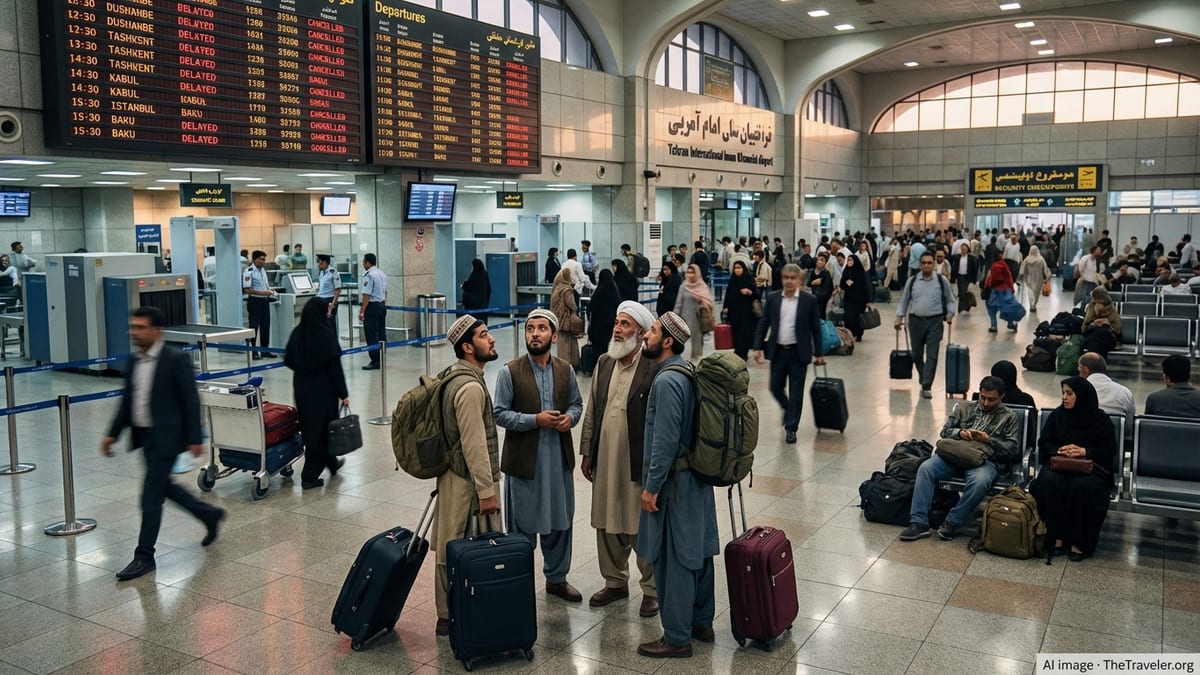
Foreign Ministry Urges Citizens to Leave Iran
In a statement released in Astana on February 27, Kazakhstan’s Ministry of Foreign Affairs said it was "closely monitoring" the deteriorating security situation in Iran and the broader Middle East, and urged nationals to postpone any non essential trips to the country. The ministry recommended that Kazakhs currently in Iran make arrangements to depart while commercial options remain available and relatively stable.
Officials advised citizens on the ground to remain vigilant, avoid large gatherings and political demonstrations, and strictly follow instructions from local authorities. Consular staff in Tehran and other regional posts have been placed on heightened alert, with hotlines publicized through Kazakh state media and diplomatic channels to assist travelers seeking to leave.
The warning aligns Kazakhstan with a growing list of governments that have toughened their guidance on Iran in recent days as the security picture darkens. Diplomatic missions from several countries have reduced staffing levels or authorized dependents to depart, citing the risk of sudden escalation involving Iran, the United States, and regional proxies.
Middle East Tensions Rattle Aviation and Travel Corridors
The renewed advisory comes as air routes around Iran once again draw intense scrutiny from regulators, airlines, and insurers. Several carriers have curtailed or suspended flights into Iranian airspace, while others are rerouting services between Europe, Central Asia, and the Gulf to avoid potential flashpoints. Industry analysts warn that even limited military exchanges or miscalculations in the busy skies over the Gulf could disrupt travel far beyond Iran’s borders.
Regional hubs such as Istanbul, Dubai, and Doha are already seeing knock on effects, with cancellations and last minute schedule changes reverberating across networks that typically funnel passengers between Europe, Asia, and the Middle East. For Kazakh travelers, this can translate into longer flying times, missed connections, and higher fares on alternative routes that skirt Iranian territory.
Kazakhstan has recent experience navigating such turbulence. In June 2025, the country’s aviation authorities imposed a temporary ban on flights over Iran, Israel, Syria, Iraq, Jordan, and Lebanon amid an earlier spike in hostilities, before cautiously restoring services on modified routes once a ceasefire took hold. That precedent is informing current risk assessments as regulators weigh whether additional restrictions may again be required.
Echoes of Previous Evacuations From Iran
Kazakh diplomats and consular teams have been through similar emergencies in the recent past, when surging Iran Israel tensions led to large scale evacuations of Kazakh nationals from Iran in 2025. At that time, foreign ministry officials organized complex overland and air corridors via Azerbaijan, Turkmenistan, and Armenia, at times transporting citizens overnight along mountain roads to reach open borders.
Those operations evacuated hundreds of Kazakhs from both Iran and Israel, reinforcing the government’s view that conflict in the region can escalate rapidly and disrupt civilian movement with little warning. The current advisory reflects a determination not to be caught off guard again, with authorities emphasizing early departure rather than waiting for conditions to deteriorate further.
Officials in Astana stress that Kazakhstan’s diplomatic missions in Iran remain operational and that there is no immediate plan to suspend consular services. However, they acknowledge that internet restrictions, sporadic protests, or localized unrest inside Iran could complicate communication and travel planning for foreign nationals, including Kazakhs, if tensions continue to build.
Regional and Global Warnings Underscore a Volatile Moment
Beyond Central Asia, a chorus of governments has shifted to more urgent language on Iran and neighboring states as fears of a broader confrontation grow. Embassies from countries including India, Brazil, and Australia have in recent days advised their nationals to leave Iran and parts of the Levant where possible, or to avoid non essential travel. Several missions have also circulated contingency guidance on sheltering in place should airports close or overland routes be cut.
The travel warnings are unfolding against a backdrop of fraught nuclear talks between Iran and the United States, a buildup of US forces across the Gulf, and ongoing instability linked to the long running conflict involving Israel, Gaza, and armed groups elsewhere in the region. Analysts warn that any misstep could draw in multiple actors and trigger targeted strikes, cyberattacks, or proxy clashes that would quickly undermine visitor safety.
For tourism reliant economies in the Middle East and beyond, the stakes are significant. A prolonged crisis could deter international visitors, disrupt religious pilgrimage flows, and freeze investment in aviation and hospitality projects designed to serve a steadily rising tide of travelers between Europe and Asia.
What the Advisory Means for Travelers
For Kazakh citizens contemplating trips to Iran, the government’s latest message is unambiguous: delay or cancel plans unless travel is absolutely essential. Tourists, students, and business travelers are advised to look instead at alternative destinations until the situation stabilizes, and to closely track updates from Kazakh authorities if they are already abroad or hold future bookings routed through the region.
Travel industry experts say passengers with tickets involving Iranian airspace or airports should monitor airline notifications and be prepared for rerouting, even if their final destination lies elsewhere in the Middle East. Those who must travel for pressing family or professional reasons are encouraged to maintain flexible itineraries, carry printed copies of key documents, and register contact details with Kazakh consular services.
While many of the current warnings are precautionary, officials in Astana insist that early awareness is essential in a part of the world where tensions can rise quickly. For now, Kazakhstan’s message reflects a broader global mood of caution: Iran and its immediate neighborhood remain high risk for civilian travel, and anyone considering a journey there should think carefully, plan conservatively, and be ready to change course on short notice.