

More news on this day
Norwegian Cruise Line is moving to refresh its global brand under new president Marc Kazlauskas, aligning the company’s image with changing traveler expectations for sustainable, experience rich cruising.
Get the latest news straight to your inbox!
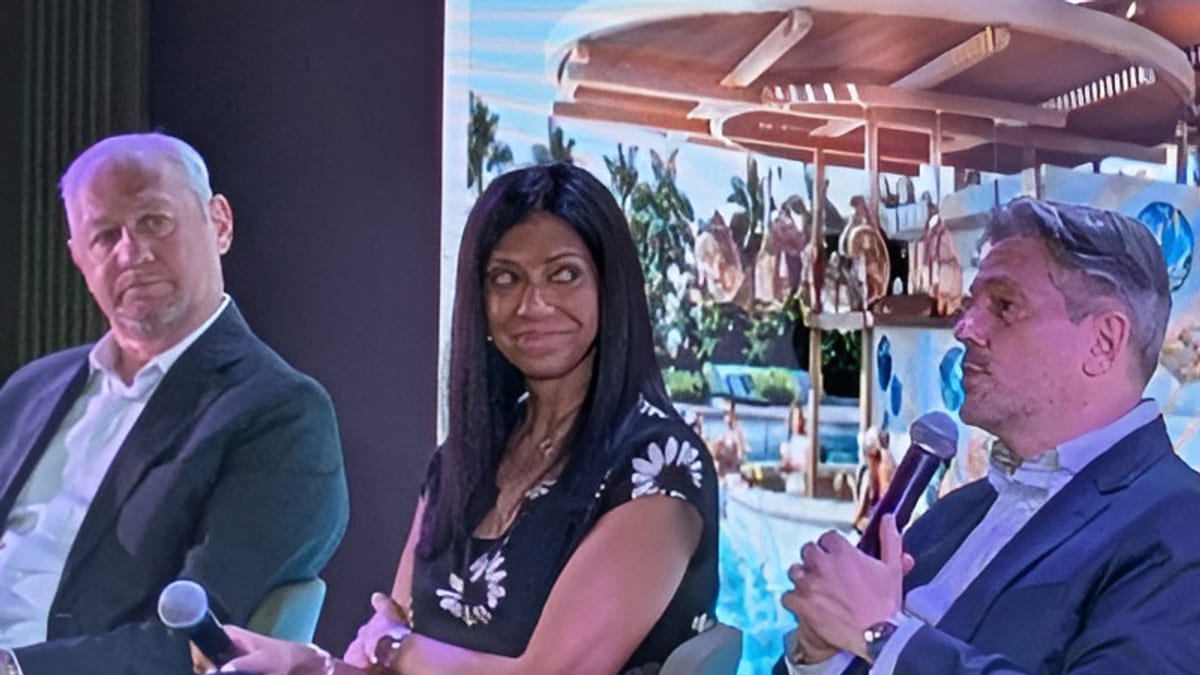
Image by Cruise Industry News | Cruise News
A New Leader at the Helm of the Norwegian Brand
Marc Kazlauskas assumed the role of brand president at Norwegian Cruise Line in January 2026, bringing more than three decades of experience in premium travel and tour operations. Publicly available company information describes him as responsible for the line’s overall brand strategy and commercial performance, including how Norwegian presents itself to consumers in an increasingly crowded cruise market.
Before joining Norwegian, Kazlauskas held senior positions at several major travel businesses, including Avoya Travel, FROSCH, Chase Travel Group, Insight Vacations and Tauck. Industry coverage highlights a record of revenue growth and a focus on guest experience across those roles, qualities that observers note are central to Norwegian’s current push to refine its market position.
The appointment follows a period of recovery and recalibration for the cruise sector, as operators rebuild demand after the pandemic and respond to new expectations around health, sustainability and value. Analysts following the company indicate that Norwegian’s leadership change is viewed as part of a broader effort to sharpen its brand story while maintaining growth in key markets.
Repositioning Norwegian in a Competitive Cruise Landscape
Norwegian Cruise Line competes in a segment where brand identity is increasingly tied to lifestyle, flexibility and perceived authenticity of experiences. Commentary on the company’s strategy suggests that Kazlauskas is expected to concentrate on reinforcing Norwegian’s long standing “freestyle” positioning, while updating how the brand communicates flexibility, choice and casual sophistication to new generations of travelers.
Reports on the company’s pipeline show a sizeable program of newbuilds and product upgrades scheduled across the next decade. Industry analysis connects this investment to a need for clearer differentiation, with Norwegian aiming to stand out on design, onboard amenities and destination rich itineraries rather than pure scale. Refreshing the brand under Kazlauskas is seen as a way to ensure those physical investments translate into a distinct identity in consumers’ minds.
Observers also point to pricing and yield management as areas where brand and commercial strategy intersect. Public commentary around the leadership transition indicates that Norwegian is looking to balance promotional activity with a stronger message about value, particularly for mid market guests seeking quality experiences without a luxury price tag. The refreshed brand approach is expected to emphasize what is included, how itineraries are structured and how travelers can personalize their time at sea.
Aligning the Brand with Norway’s Wider Tourism Story
The shift in Norwegian Cruise Line’s narrative comes as Norway itself continues to refine its national and destination branding. Analyses of the country’s tourism performance describe Norway as a high value, sustainability focused destination, with fjords, northern lights and coastal landscapes at the core of its image. Recent insights from Norwegian destination branding consultants note strong contributions from domestic and international tourism, with an emphasis on nature, responsible travel and local culture.
Academic and industry discussions of nation branding frequently cite Norway as a case of a small country achieving outsized visibility through clear thematic messaging. These studies highlight themes of peace diplomacy, environmental responsibility and quality of life as elements that shape perceptions of the Norwegian brand internationally. The broader context is that travel operators using the Norway name are expected to reflect, or at least not contradict, those values.
Against this backdrop, Norwegian Cruise Line’s brand refresh under Kazlauskas is emerging at a time when travelers associate Norway not only with dramatic landscapes but also with sustainability and social responsibility. Analysts suggest that cruise brands trading on Nordic itineraries face growing scrutiny over emissions, local impact and community relations in fjord regions. Incorporating these concerns into marketing and product development is increasingly seen as central to maintaining credibility with both guests and destination stakeholders.
Sustainability, Destination Depth and the Future Guest
Industry research on cruise demand indicates that travelers are paying closer attention to how brands address carbon emissions, waste management and overtourism at marquee ports. Studies of Norwegian tourism policy and broader European travel trends point to a shift from volume driven strategies toward models that emphasize longer stays, higher local spend and lower environmental footprints. These dynamics are shaping the context in which Norwegian Cruise Line must present its itineraries and onboard offering.
Under Kazlauskas, observers expect Norwegian to lean further into destination storytelling and partnerships that showcase local culture, food and outdoor experiences in Norway and beyond. Commentators point out that deeper, more curated shore programs can help position cruises as gateways to authentic encounters rather than quick sightseeing stops, aligning with evolving expectations among international visitors to Nordic destinations.
At the same time, analysts note that technology and data will likely play a growing role in how the Norwegian brand communicates with guests before, during and after a voyage. Personalized recommendations, dynamic packaging and clearer information about environmental initiatives are all cited as tools that can support a refreshed brand promise centered on choice, transparency and responsibility.
Balancing Global Growth with Nordic Roots
Norwegian Cruise Line operates worldwide, but the brand’s identity remains closely linked to the imagery of fjords, coastal cruising and Nordic seafaring heritage. Commentators on nation and destination branding argue that such associations can be powerful when they are used consistently and responsibly, helping travelers quickly understand what a brand stands for.
Market observers suggest that one of Kazlauskas’s key tasks will be to balance that Nordic rooted perception with the realities of a diversified global network spanning the Caribbean, Mediterranean, Alaska and Asia. The updated Norwegian brand is expected to signal that guests can find a similar approach to freedom, informality and experiential travel whether they are sailing a classic Norway itinerary or exploring warmer waters.
As Norwegian updates ships, refines itineraries and retools its message, the company’s approach is being watched as a case study in how cruise lines can reposition for a new era. The combination of a seasoned travel executive at the helm and a powerful national narrative in the background is seen by industry analysts as an opportunity to refresh the Norwegian brand in ways that resonate with both loyal guests and first time cruisers.