

More news on this day
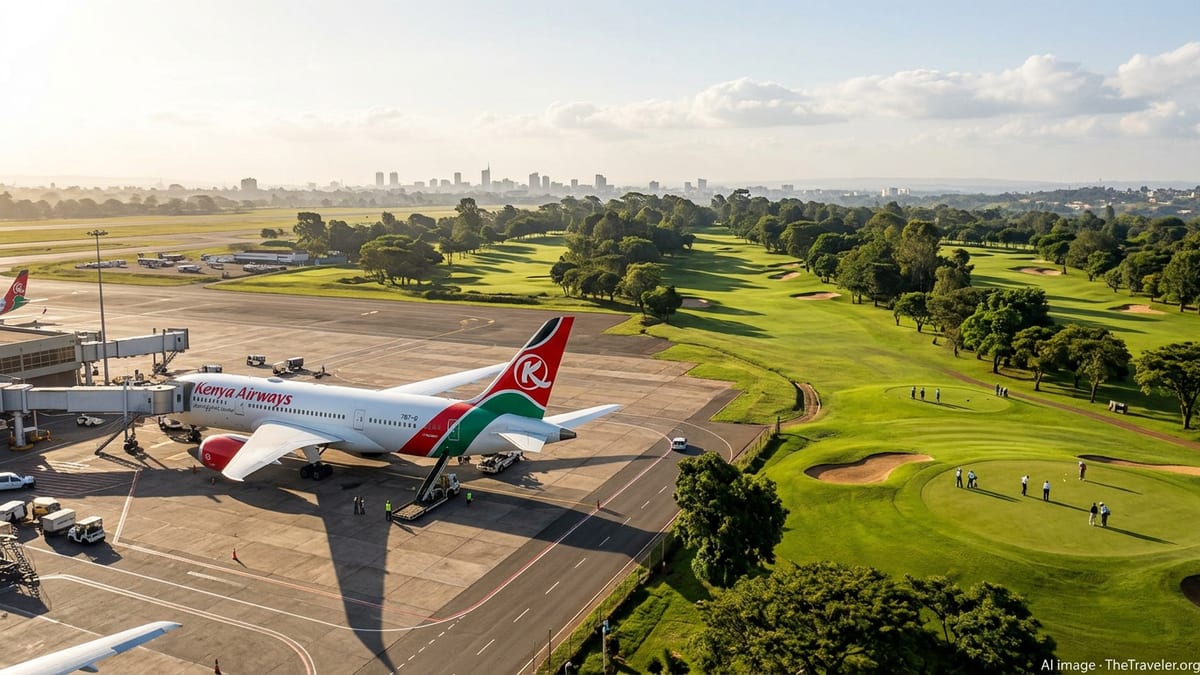
Kenya Airways is accelerating a bold strategy in 2026 that uses world-class golf, rugby and motorsport events to fill aircraft cabins, hotel rooms and fairways, positioning the national carrier at the centre of a fast-growing sports tourism economy.
From Flag Carrier to Sports Tourism Engine
For Kenya Airways, sports sponsorship in 2026 is no longer a side activity confined to logo placement. It has become a core commercial pillar, tightly woven into the airline’s network planning, marketing and long-haul growth plans. Executives describe a deliberate effort to convert global interest in tournaments hosted in Kenya into repeat visitation and higher-yield travel.
Acting Group Chief Executive George Kamal has framed the approach as a long-term play that views every fan, player and official as a potential returning visitor. The airline’s strategy is to ensure that the journey to a Kenyan sporting event, whether from Europe, the Middle East or North America, feels like the opening chapter of a broader safari, beach or city-break experience, rather than a one-off flight tied to a single tournament.
This shift is aligned with the government’s broader agenda to leverage sport as a driver of tourism and foreign exchange earnings. As ministries court more international fixtures and invest in new stadiums and training facilities, Kenya Airways is positioning itself as the preferred aviation partner that can move people efficiently while showcasing Kenyan hospitality from the moment they board.
Industry analysts say the airline’s sports partnerships, combined with its membership in a major global alliance, are helping Kenya compete for high-value visitors at a time when many destinations are chasing the same small pool of affluent, experience-driven travellers.
Magical Kenya Open Puts Golf Tourism in the Spotlight
The 2026 Magical Kenya Open in Nairobi has emerged as the clearest illustration of how Kenya Airways is marrying fairways with runways. As Official Airline Partner for the DP World Tour event at Karen Country Club, the carrier has underpinned the tournament’s logistics with complimentary tickets for officials and players and discounted fares for more than a hundred professional golfers, caddies and fans flying into the capital.
Beyond the aircraft belly space and ticket inventory, the airline has gone deeper into the sport’s ecosystem by sponsoring leading Kenyan professionals, including veteran and emerging names on the local circuit. Travel support and branded kits for these players are designed to give them greater exposure on home soil while strengthening the emotional bond between Kenyan audiences and their national carrier.
On the ground, the partnership extends from airport welcome desks to co-branded activations at the course, creating a continuous narrative that links international arrivals directly to the fairways. Hospitality partners report a noticeable uptick in high-spend visitors in the days before and after the tournament, suggesting that many spectators are extending their golf trips into wider holidays in Nairobi, the Rift Valley and coastal resorts.
Tourism officials point to the Magical Kenya Open’s global television coverage as another critical asset. Every live broadcast segment that pans from a tee shot to views of Nairobi’s skyline or wildlife reserves effectively doubles as a destination commercial, with Kenya Airways branding often in the frame.
Building a Pipeline of Elite Golf Talent
The airline’s golf strategy is not confined to one marquee week on the calendar. In partnership with professional golf bodies, Kenya Airways has committed resources to elite player development, backing a cohort of local professionals on regional tours and high-profile domestic circuits.
By providing travel, exposure and logistical support to this group, the airline is attempting to close the gap between Kenyan golfers and more established names on international tours. Executives argue that having homegrown players regularly in contention at events like the Magical Kenya Open deepens local fan engagement and broadens the appeal of golf beyond its traditional base.
The relationship is also highly visible. Branded apparel, co-hosted clinics and community outreach in towns across Kenya help embed the airline’s identity in the sport at grassroots level. For younger golfers, the presence of a national carrier backing their heroes can make professional sport feel like a viable career, not a distant dream.
Travel and hospitality operators say this long-term investment in talent is likely to pay off in new ways, from junior golf festivals that draw families from across East Africa to training camps that attract overseas amateurs eager to practice in Kenya’s warm, high-altitude conditions.
Rugby, Rallying and a Wider Sports Travel Ecosystem
Golf may provide the clearest runway-to-fairway link, but Kenya Airways is casting a wider net across the sports calendar. In 2026, the airline has reinforced its presence in rugby by supporting a major international sevens tournament staged in Nairobi, flying in teams and fans while using the event to promote onward travel across its African and intercontinental network.
Rugby sevens, with its festival atmosphere and younger demographic, offers the carrier access to a different segment of sports travellers. Many of these visitors are keen on short-break urban experiences, nightlife and cultural events, creating demand that benefits restaurants, entertainment venues and city hotels as much as traditional safari operators.
Motorsport provides another high-octane testing ground for the airline’s sports tourism ambitions. Recent editions of the Safari Rally, part of the World Rally Championship, have seen Kenya Airways act as a key logistics partner, moving drivers, crews and equipment while showcasing the country’s dramatic landscapes to global audiences following the event.
By aligning with such a diverse portfolio of sports, the airline is spreading demand across multiple seasons and regions within Kenya. That helps smooth out traditional tourism peaks and troughs, sustaining jobs in hospitality and transport even when wildlife or beach tourism enters a quieter phase.
Economic Ripples From Sky to Course and City
Economists tracking the sector say the airline’s evolving role in sports tourism extends well beyond ticket revenues. Sports visitors tend to spend more per day than leisure tourists, particularly when events attract corporate hospitality, VIP guests and long-haul travellers who combine tournaments with premium safaris or coastal stays.
Each international spectator arriving on a Kenya Airways flight sets off a string of transactions across hotels, short-term rentals, tour operators, car hire firms, restaurants and local artisans. Industry estimates suggest that for every substantial travel package sold around a flagship event, multiple small and medium-sized enterprises benefit indirectly.
Kenya Airways executives argue that by deliberately connecting flight schedules, promotional fares and co-marketing with event organisers, they are helping to lock in those wider gains. Tailored booking windows, bundled offers and targeted campaigns in key source markets are intended to convert curiosity about a tournament into confirmed travel.
As Kenya looks ahead to hosting more continental and global competitions, the national carrier’s experiment in blending fairways with runways is being closely watched. If the model succeeds, it could provide a template for other African airlines seeking to grow beyond traditional point-to-point traffic and anchor themselves at the heart of a more resilient, experience-driven tourism economy.