

More news on this day
Kenya is rolling out a 30 per cent discount initiative aimed at cruise tourists, seeking to turn short port calls into longer safari adventures and accelerate growth in the country’s blue economy.
Get the latest news straight to your inbox!
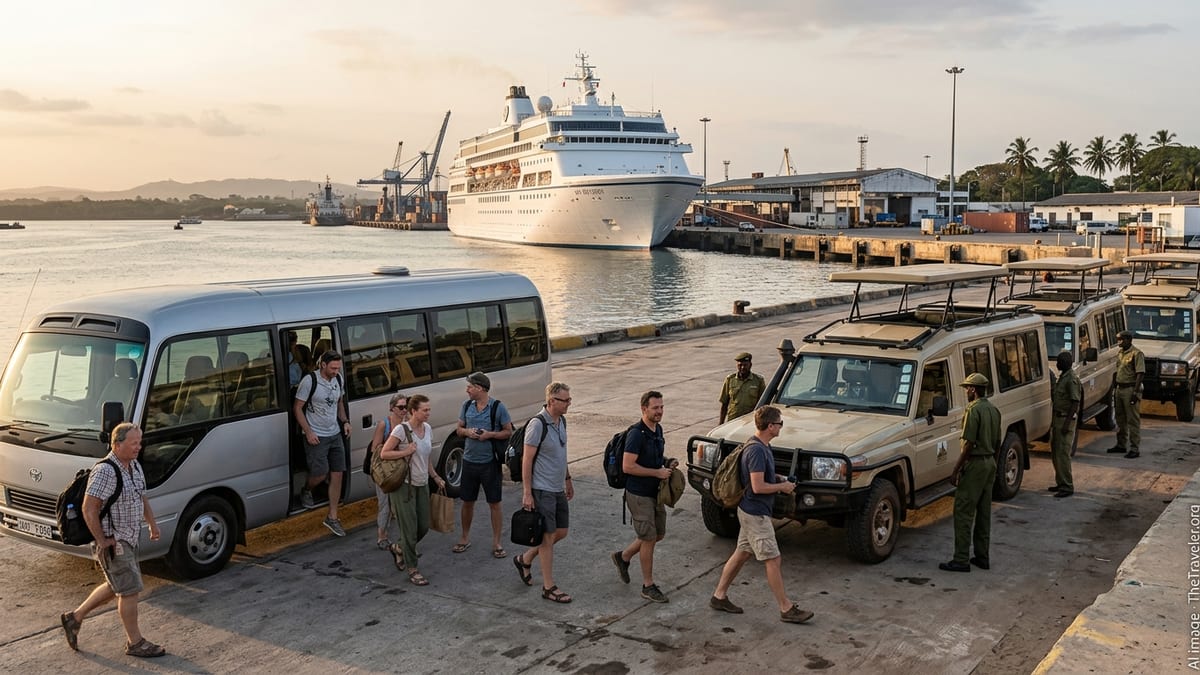
New Incentive Ties Cruise Arrivals to Inland Safaris
Publicly available information indicates that Kenya is refining its cruise tourism offer with a 30 per cent discount targeting passengers who disembark at its ports and book wildlife or cultural excursions inland. The measure is being framed as part of a broader strategy to ensure that growing cruise calls at Mombasa and the newer Lamu port translate into higher onshore spending and more inclusive economic benefits.
Reports on recent tariff and tourism discussions in Kenya show that authorities have been under pressure to balance rising conservation fees at national parks with the need to remain competitive as a long-haul destination. By selectively discounting packages and services for cruise visitors, policymakers are attempting to offset cost concerns while still channeling much-needed revenue into park infrastructure and wildlife protection.
The initiative is expected to work through collaborations between port stakeholders, tourism agencies and licensed safari operators, with the discount applied to eligible excursions booked directly from the ship or at official cruise terminals. Industry commentary suggests that these add-on safaris could range from day trips to Nairobi National Park and Amboseli to overnight stays in flagship destinations such as Tsavo and the Masai Mara, depending on ship schedules.
While formal guidance on the exact mechanisms is still emerging, sector analysts note that linking cruise itineraries to discounted inland experiences aligns with Kenya’s ambition to push visitors beyond the coastline and deepen their engagement with the country’s wildlife, culture and landscapes.
Blue Economy Strategy Puts Cruise Tourism in the Spotlight
Kenya’s blue economy agenda has increasingly highlighted cruise tourism as a high-potential growth area, particularly as new infrastructure at the Port of Mombasa and ongoing efforts at Lamu aim to attract a larger share of Indian Ocean itineraries. Published coverage on port development shows that passenger vessels and cruise ships are being actively courted through revised tariffs and promotional packages that lower operating costs for cruise lines and encourage repeat calls.
At the same time, Kenya’s tourism planners are looking to ensure that coastal and marine attractions are better integrated with the country’s traditional safari circuit. Marine parks along the south coast, Swahili heritage towns and beach resorts around Mombasa and Diani are being positioned as natural gateways for visitors who might then connect to inland reserves. The new 30 per cent discount concept is being presented as a bridge between these blue economy assets and the established safari product.
Analysts observing the region point out that several Indian Ocean and Red Sea destinations are vying for cruise traffic, prompting a wave of incentives ranging from berthing discounts to reduced passenger charges. Kenya’s focus on pairing port-side incentives with inland tourism discounts is being interpreted as an attempt to differentiate its offer by showcasing the ease with which cruise guests can access big-game experiences within a short travel window.
By embedding wildlife and cultural excursions into the blue economy narrative, Kenya is also signaling that sustainable use of its oceans and coasts must be linked to broader conservation outcomes, including funding for protected areas and community-based tourism enterprises across the country.
Safari Operators Prepare Tailored Offers for Cruise Passengers
According to regional travel industry reporting, safari operators and destination management companies are already developing shorter, high-impact itineraries tailored to cruise schedules. These packages are designed to fit within the limited time that ships spend in port, while still delivering hallmark experiences such as game drives, scenic viewpoints and visits to conservation centers.
The new 30 per cent discount is expected to apply to qualifying components of these itineraries, such as guided game drives, park entry charges folded into package pricing, and transfers by road or air from the coast to inland reserves. Travel trade commentary suggests that operators may bundle the discount into all-inclusive quotes, making it easier for cruise passengers to understand the total cost upfront and avoid confusion over conservation fees or park levies.
Given growing attention on transparency in safari pricing, industry observers note that the discount initiative will likely be accompanied by clearer communication on what is and is not included in cruise-linked safari offers. This includes specifying whether conservation fees, community levies and domestic flights are covered, and highlighting any seasonal variations in park charges that might affect the final price paid by visitors.
Some commentators also expect the program to encourage closer collaboration between cruise lines and local operators, with jointly marketed packages that emphasize flexibility, small-group experiences and responsible wildlife viewing practices. This approach resonates with shifting traveler preferences, as cruise guests increasingly seek meaningful and sustainable shore excursions.
Managing Costs While Safeguarding Conservation Revenue
The rollout of a cruise-focused discount comes against the backdrop of updated conservation fee structures for Kenya’s national parks, which have raised concerns among some tourism businesses about affordability. Published information on the revised Kenya Wildlife Service fee schedule shows that charges at premier parks are rising in phases, a move intended to bolster conservation financing and upgrade visitor facilities.
By selectively offering a 30 per cent discount to cruise-linked safaris, Kenya appears to be experimenting with a more targeted approach to price relief, rather than across-the-board reductions that could undermine revenue goals. Travel and business outlets tracking the sector note that high-yield segments, such as cruise passengers with limited time but relatively high spending power, are seen as suitable targets for such tactical incentives.
The challenge, according to sector analyses, will be ensuring that discounts do not erode the financial base needed to manage protected areas. The structure of the initiative is therefore expected to emphasize volume growth and higher ancillary spending on accommodation, dining, transport and cultural experiences, so that any per-visitor reduction in certain components is offset by an expanded overall basket of tourism receipts.
Observers also highlight that Kenya is under competitive pressure from neighboring safari destinations that offer differing fee regimes and promotional campaigns. The cruise discount is being interpreted as part of a broader toolkit aimed at enhancing Kenya’s value proposition without reversing conservation-focused pricing reforms that are considered important for long-term sustainability.
Opportunities and Risks for Coastal Communities
As cruise-linked safari discounts take shape, attention is turning to the likely impact on coastal communities that host key ports and beach resorts. Travel and economic coverage notes that cruise calls can generate significant income for local guides, transport providers, artisans and hospitality workers, particularly when passengers choose organized excursions that venture beyond the immediate port area.
The 30 per cent discount framework is being promoted as a way to create more consistent and higher-value flows of visitors from ships into coastal towns and inland gateways. For example, structured day trips to nearby reserves, historical sites and marine parks can spread benefits more evenly along the value chain, from boat operators and drivers to small restaurants and craft markets.
However, commentators caution that without careful planning and transparent management, rapid growth in cruise excursions could strain local infrastructure, overcrowd sensitive ecosystems and exacerbate concerns about uneven revenue distribution. Some analysts argue that the success of the initiative will depend on robust oversight of licensing, clear quality standards for excursion providers and meaningful participation by community-based tourism enterprises.
Stakeholders tracking Kenya’s blue economy trajectory suggest that the new discount offer will be closely watched as a test case for how coastal and wildlife destinations can leverage cruise tourism more strategically. If implemented effectively, the measure could offer a template for aligning port development, conservation finance and community benefits within a single, integrated tourism policy.