

More news on this day
Kenya is introducing a 30 percent cruise discount for travelers who combine Indian Ocean sailings with visits to the country’s famed national parks, a new incentive designed to revive coastal tourism and encourage longer, higher‑value stays.
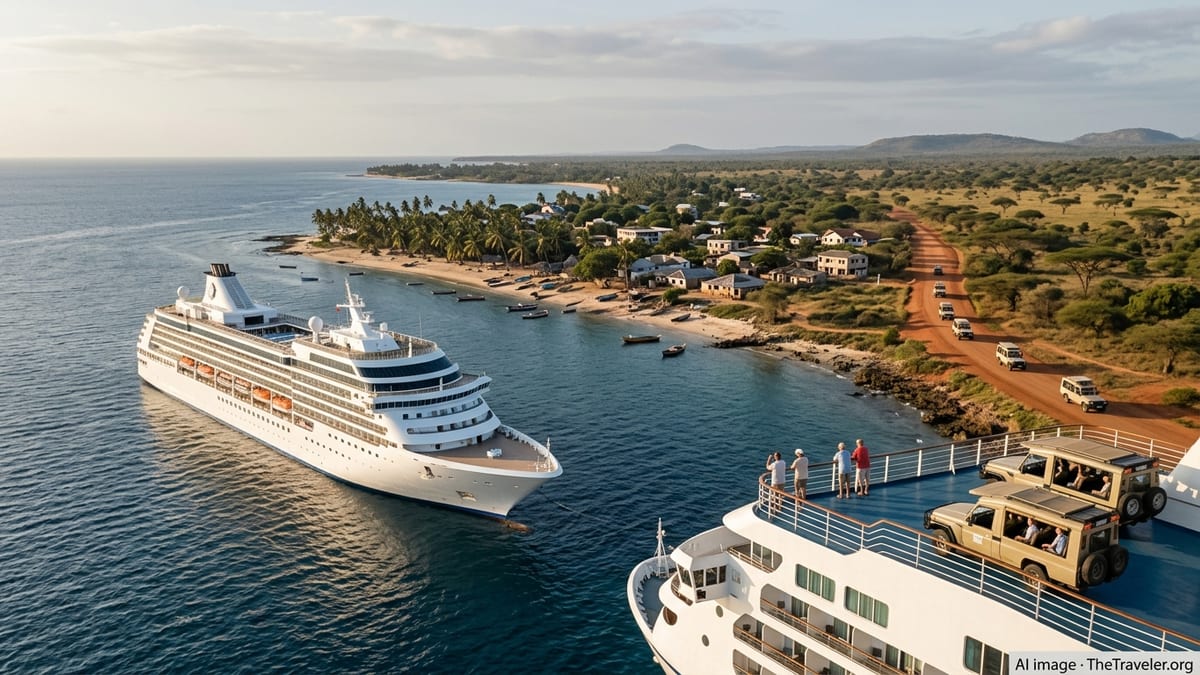
New Discount Links Ocean Cruises With Safaris
Kenya’s latest tourism move connects two of its strongest draws, positioning cruise itineraries from Mombasa and other coastal ports as gateways to wildlife experiences in nearby national parks and reserves. Publicly available information indicates that the new 30 percent discount applies to selected cruise packages when travelers add park visits to their trip, effectively lowering overall costs for holidaymakers who opt for both a sea voyage and a safari.
According to published coverage from regional travel operators and Kenyan tourism materials, the incentive is aimed at itineraries that route through key coastal hubs close to protected areas such as Tsavo East and West, Nairobi National Park via short flights, and marine parks along the Indian Ocean. The structure is intended to make it more attractive for cruise passengers to disembark for multi‑day inland excursions rather than limiting their spending to brief city calls.
The move comes as Kenya continues to recalibrate its park pricing and tourism offer following several rounds of conservation fee adjustments. By attaching a percentage discount to bundled experiences, the authorities and industry partners are signaling a shift toward value‑added packaging instead of across‑the‑board price cuts on park entry.
Industry analyses suggest that cruise visitors have typically contributed less per capita to local economies than long‑stay land tourists. The new discount framework is being presented as a way to convert short coastal calls into higher‑spend visits that include accommodation, guides, park fees, and local transport across multiple counties.
How the 30 Percent Saving Works for Travelers
Details emerging from cruise and safari operators indicate that the 30 percent reduction is applied to select components of the cruise segment for travelers who can show confirmed bookings to designated national or marine parks within the same trip. In practice, this means travelers booking through participating companies may see the discount reflected in the cruise fare or in bundled pricing that combines cabins, transfers, and guided excursions.
Publicly available fee schedules from Kenyan conservation authorities show that park entry and conservation charges themselves remain governed by standardized tariffs that vary by park category, visitor residency, and season. Those tariffs are not directly discounted under the cruise offer; instead, savings are realized on the transport and cruise side of the package, making the combined itinerary more competitive compared with booking a standalone safari or a basic coastal cruise.
Reports from regional tourism briefings describe a focus on encouraging pre‑arranged shore excursions rather than ad hoc day trips. Travelers choosing the discounted bundle are generally expected to confirm their park visits before embarkation, allowing operators to schedule transport, secure entry slots under the current digital payment systems, and coordinate with lodges that are located inside or just outside national parks.
Travel planners note that the effective value of the 30 percent discount will depend on the cruise line, cabin category, and length of itinerary. For higher‑end cabins or longer coastal cruises, the absolute saving can be substantial, potentially offsetting a significant share of park conservation fees and internal transfers for a short safari extension.
Targeting Coastal Recovery and Diversified Tourism
Kenya’s tourism strategy documents in recent years have highlighted the need to diversify products and reduce overreliance on a handful of flagship parks. Vision‑oriented planning papers emphasize that a small group of protected areas continues to generate the majority of park revenue, leaving other sites underutilized. The cruise‑linked discount is being promoted as one response to this imbalance, channeling new visitors to a broader range of coastal and inland attractions.
Coastal destinations such as Mombasa, Malindi, Kilifi, and Diani have been working to regain international market share following periods of security concerns and pandemic‑related disruptions. By tying cruise calls to inland wildlife trips, Kenya is seeking to reassert the coast as more than a standalone beach destination and position it as an integral component of the broader safari circuit.
Published tourism statistics for recent years show a steady recovery in international arrivals, but industry commentators point out that spending is unevenly distributed, with marquee parks like Maasai Mara and Amboseli still drawing a disproportionate share of tourists. The cruise discount, by routing visitors through coastal ports first, could help spread economic benefits to smaller communities along the shoreline and to less‑visited marine parks.
Domestic and regional travelers are also in focus. Reports indicate that East African citizens and residents, already eligible for differentiated park fee structures, may find the combined cruise and safari offer particularly appealing for extended family holidays, as the percentage saving on the cruise portion can make multi‑generational trips more affordable.
What Visitors Should Know Before Booking
Travel experts advising on Kenya itineraries recommend that visitors carefully examine the fine print of any package marketed with a 30 percent cruise discount. In many cases, the reduction applies only to base cruise fares and does not cover port charges, gratuities, or third‑party services. Park conservation fees, which are typically charged per person per day and can vary by season and residency status, are usually listed separately and must be paid in full.
Publicly accessible conservation fee schedules show that Kenya has moved toward cashless payments for most major parks, with entry often processed through digital platforms or official payment systems. Travelers taking advantage of the cruise offer should confirm whether their tour operator is handling these payments directly or whether they will need to complete individual transactions, especially when visiting more than one park.
Travelers are also advised to clarify what is included in terms of transport between the port and the parks, game drives, park guides, and accommodation. Some packages may bundle mid‑range lodges or tented camps inside or near parks, while others focus on day trips with return to the ship by evening. The added value of the cruise discount is likely to be greater on itineraries that include at least one or two nights inside or adjacent to a national park or reserve.
Insurance, health requirements, and visa rules remain unchanged by the new discount. Standard guidance applies regarding travel coverage for medical emergencies, trip interruption, and activities like wildlife viewing, as well as adherence to current Kenyan entry regulations and any vaccination recommendations in effect at the time of travel.
Potential Impact on Kenya’s Tourism Landscape
Tourism analysts following Kenya’s market expect the cruise‑park discount to serve as a test case for more integrated offers that bring together coastal, wildlife, and cultural experiences under single itineraries. If well received, the model could encourage additional collaborations between cruise lines, domestic airlines, and safari operators.
Early reactions from regional trade publications point to cautious optimism, with commentators noting that the discount could help soften perceptions of rising costs linked to recent park fee reviews. By presenting a tangible saving on one part of the journey, the offer may make overall package pricing more palatable for visitors weighing Kenya against competing destinations in East and Southern Africa.
There are also expectations that increased cruise‑linked traffic could accelerate investment in port infrastructure, roads, and air connections between the coast and key parks. However, conservation advocates continue to emphasize the need to balance growth with strict adherence to park capacity limits, wildlife protection standards, and community benefit‑sharing frameworks.
For now, the 30 percent cruise discount signals Kenya’s intent to compete aggressively for international travelers while maintaining firm conservation financing through established park fee schedules. For prospective visitors, it represents an opportunity to experience both the country’s coastline and its renowned wildlife areas at a more accessible overall price, provided they navigate the details of eligible itineraries and inclusions.