

More news on this day
Kenya’s wilderness tourism is entering a new phase as luxury glamping camps spread from the Maasai Mara to Amboseli and Laikipia, pairing canvas and canvas-backed comfort with growing demand for immersive, experience-driven safaris.
Get the latest news straight to your inbox!
Glamping Rides Kenya’s Tourism Rebound
Publicly available data indicates that Kenya’s tourism industry has rebounded strongly in the past two years, with international arrivals climbing to around 2.4 million in 2024 and travel and tourism contributing roughly a tenth of national GDP. Within that recovery, high-end safari stays are emerging as a powerful driver of visitor spending, and glamping-style tented camps are often at the center of the trend.
Across the Maasai Mara ecosystem, industry reports describe a dense mix of traditional lodges, classic tented camps and new ultra-luxury properties that now command several thousand dollars per night. Recent openings and upgrades in the region, alongside renewed investment in long-established camps, are signaling that investors see premium wilderness stays as a cornerstone of Kenya’s tourism strategy.
Analysts following the sector note that this growth is backed by national efforts to diversify products and market Kenya as a year-round destination for wildlife, adventure and culture. Strategic documents from tourism authorities highlight a shift away from volume-based mass tourism toward higher-value, lower-impact experiences, a positioning that glamping operators are keen to occupy.
Industry forecasts framed in recent tourism plans suggest that policymakers expect sustained expansion in international and domestic travel over the next decade. That outlook is giving camp owners confidence to experiment with new concepts in accommodation, from design-led tented suites to small, mobile camps that can be repositioned with the seasons.
Canvas, Comfort and the New Safari Aesthetic
Glamping in Kenya typically blends the traditional safari tent with amenities more familiar to luxury city hotels. Many camps feature en suite bathrooms with pressurized hot water, deep bathtubs or plunge pools, high-thread-count linens and curated interiors, while still employing canvas walls, mesh windows and open decks to maintain a sense of being in the bush.
Reports in travel media describe camps in the Maasai Mara and Laikipia offering just a handful of suites, each spaced for privacy and oriented toward river crossings, salt licks or sweeping savanna views. Guests are often served multi-course meals in candlelit dining tents or on outdoor terraces, with the option of private bush breakfasts and sundowners arranged in carefully selected viewpoints.
The glamping model extends beyond hardware. Many properties structure itineraries around flexible, guest-led days rather than rigid game-drive schedules. Morning and afternoon drives are complemented by guided walks, night drives where permitted, photography sessions and visits to nearby communities or conservancies. The aim is to deliver an experience that feels personalized and immersive without compromising comfort.
At the same time, Kenyan operators increasingly present tented camps as spaces where technology is dialed down. Some high-end properties limit Wi-Fi to public areas or encourage digital detox stays. This approach aligns with a broader global trend toward wellness-oriented travel, with silence, stargazing and unstructured time in nature marketed as a luxury in themselves.
Younger, Experience-Driven Travelers Fuel Demand
Domestic and regional tourism patterns are also reshaping Kenya’s glamping landscape. Government and industry reports point to a steadily growing middle class and a rise in domestic bed-nights over recent years, outcomes credited in part to “Magical Kenya” campaigns and social media-heavy promotions that celebrate scenic national parks and coastal destinations.
Marketing materials produced in partnership with online travel platforms emphasize adventure, authenticity and shareable moments rather than traditional package tours. In Amboseli, for example, widely shared images of elephants framed against Mount Kilimanjaro have helped position the park as an “Instagram-friendly” alternative to the more established Maasai Mara circuits, supporting the case for stylish, photogenic tented camps that appeal to younger, digitally engaged travelers.
Tourism board strategies targeting North American and European markets also highlight growing interest in experiential and small-group travel. Trade partners report that clients are increasingly looking for boutique camps, opportunities to engage with local communities and clear sustainability credentials, often preferring fewer stops of higher quality over whirlwind itineraries.
Glamping operators in Kenya are responding by investing in design, storytelling and curated activities that go beyond game viewing. Cultural visits hosted in collaboration with Maasai and Samburu communities, bushcraft lessons, conservation talks and hands-on experiences such as camera trapping or tree planting are being framed as part of a more meaningful, less transactional safari.
Balancing Luxury and Conservation in Fragile Ecosystems
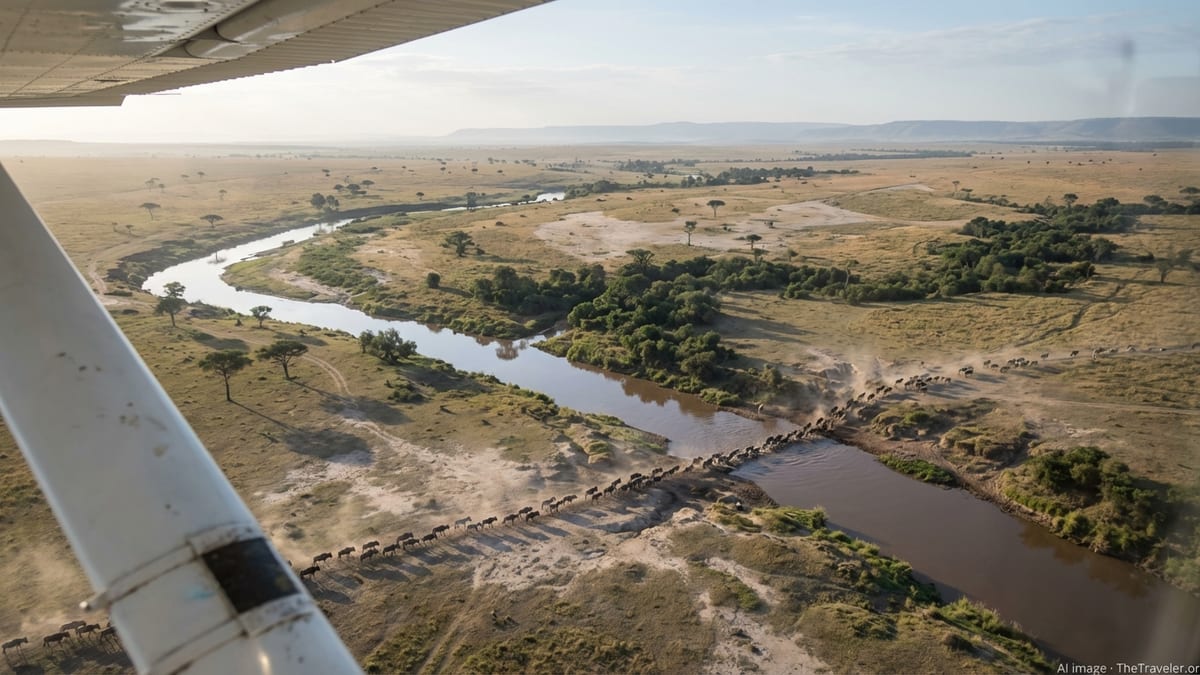
The spread of glamping across Kenya’s prime wildlife areas is unfolding alongside intense scrutiny of development pressures, especially in the Maasai Mara. Conservation-focused coverage notes that the wider Mara ecosystem now contains hundreds of lodges and camps, with seasonal peaks that can bring large numbers of vehicles to high-profile sightings and sensitive river crossings.
Reports indicate that local management plans aim to slow unchecked expansion. The current management framework for the Maasai Mara National Reserve, for example, outlines a moratorium on new accommodation capacity inside the reserve’s core zones, emphasizing the need to protect wildlife corridors and curb overtourism. Legal proceedings and public debates around the siting of new luxury camps, including properties positioned near migration routes, reflect growing public concern about how high-end tourism interacts with conservation.
In parallel, conservancy models on community-owned land continue to gain prominence. These arrangements, in which landowners lease their land to tourism operators in return for regular payments and employment opportunities, rely heavily on low-density, premium camps that resemble glamping more than mass-market hotels. Revenue from such camps is presented as an incentive for communities to maintain open rangelands rather than convert them to agriculture or fencing.
Environmental assessments and certification schemes are increasingly used to distinguish camps that prioritize sustainability. Directories managed by Kenyan ecotourism organizations point to best practices such as solar power, limited water usage, waste management plans and building footprints designed to be reversible, allowing tented structures to be dismantled with minimal long-term impact on soils and vegetation.
Glamping as a Pillar of Kenya’s Future Tourism Strategy
Policy documents produced by Kenyan tourism and wildlife authorities outline a long-term shift toward higher-value tourism, improved product diversification and year-round visitation across the country’s parks and reserves. In practice, this means encouraging offerings that can command premium rates while minimizing environmental footprints and distributing benefits to host communities.
Glamping aligns with several of these goals. Low-rise, semi-permanent tented structures can, when carefully managed, place less pressure on landscapes than concrete-heavy developments, while still generating significant revenue per bed-night. Small camp sizes allow for controlled visitor numbers, and the intimacy of the setting can support deeper engagement with conservation messaging and community partnerships.
Analysts tracking global safari trends suggest that Kenya is positioning itself as a leader in this segment, in part by leveraging the brand recognition of the Maasai Mara and Mount Kenya regions while highlighting lesser-known conservancies and parks. As investment flows into both globally recognized brands and independent camps, the diversity of glamping experiences on offer is widening, from ultra-luxury suites to more affordable yet stylish tented options.
For Kenya, the challenge will be to ensure that the growth of glamping strengthens rather than undermines the ecosystems that attract visitors in the first place. Decisions made now on zoning, carrying capacity and community benefit-sharing are likely to determine whether the comfort of canvas-clad luxury can genuinely coexist with the wildness that defines the country’s most iconic landscapes.