

More news on this day
Kenya is preparing to launch an aggressive 30 percent cruise discount for the 2026 season, aligning with regional leaders such as Tanzania, South Africa and Botswana in a bid to fuse ocean cruising with classic safari experiences, attract new long-haul markets and push tourism revenue to record highs.
Get the latest news straight to your inbox!
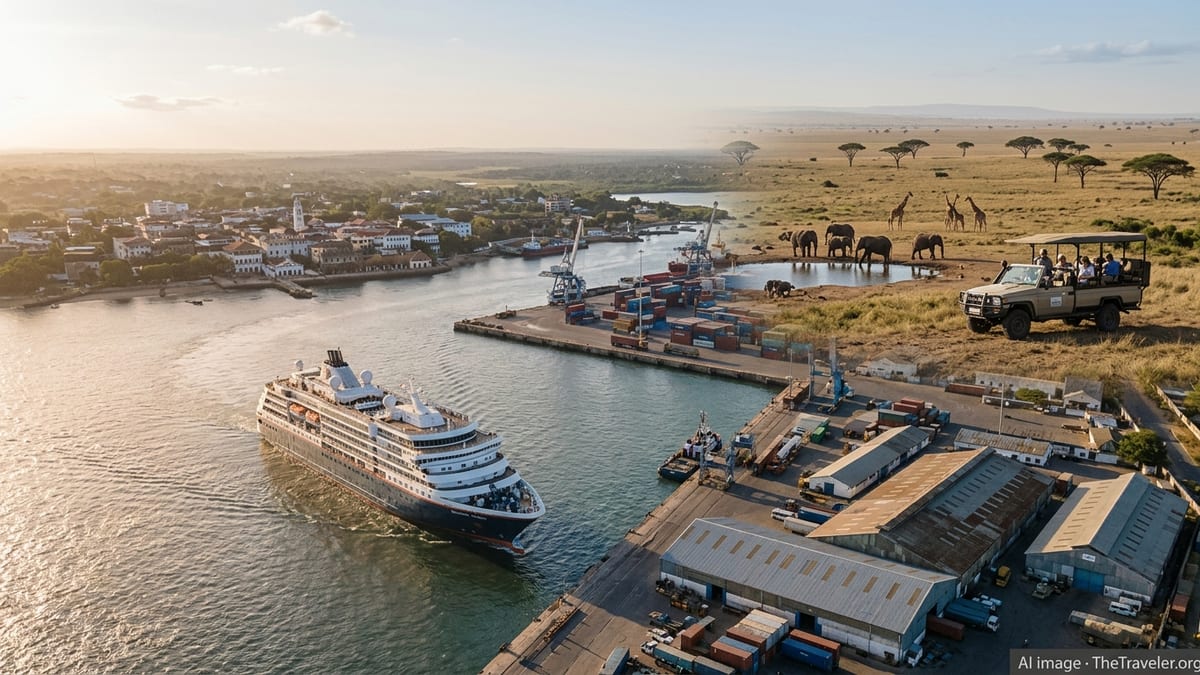
Africa’s Cruise-Safari Push Enters a New Phase
Publicly available information from tourism analysts shows that Africa’s cruise market remains a small slice of global traffic, but it is among the fastest growing, with regional cruise revenues projected to rise steadily through 2030. Against this backdrop, Kenya’s decision to introduce a 30 percent cruise discount in 2026 positions the country to compete more directly with Southern African itineraries that already bundle river cruises and wildlife viewing.
In recent years, cruise-linked safari products have been most visible in Southern Africa, where operators promote river and lake cruises along borders shared by South Africa, Botswana, Namibia and Zimbabwe. These products typically combine small-ship cruising with game drives in nearby reserves, giving travelers an alternative to traditional land-only safaris. Kenya’s move signals an intention to bring the Indian Ocean coast and the country’s iconic parks into a similar integrated offering.
While exact program details have not yet been widely published, travel trade commentary indicates that the 30 percent discount is expected to apply to select cruise itineraries calling at Kenyan ports, with the goal of nudging more cruise passengers to add multi-day safaris in destinations such as the Maasai Mara, Amboseli and Tsavo. Industry observers note that a coordinated incentive of this size is unprecedented in East Africa’s cruise-safari space.
The policy is emerging as the continent’s wider tourism sector rebounds, with recent regional figures showing international arrivals and receipts surpassing pre-pandemic levels. Kenya’s authorities have repeatedly identified tourism as a core pillar of economic growth, and cruise-linked safaris are now being framed as a high-yield, relatively untapped segment.
Kenya Aligns With Tanzania, South Africa and Botswana
Across the continent, several African tourism heavyweights have already been experimenting with sizeable discounts and value-adds on safari-linked cruises. In Southern Africa, international cruise brands and regional operators are advertising discounts on safari river cruises through 2026, particularly along the Zambezi and Chobe corridors that touch South Africa and Botswana. These offers typically target shoulder seasons and early bookings to smooth out occupancy and capture price-sensitive travelers.
Tanzania, which has consolidated its reputation as a leading safari destination, has simultaneously elevated cruise tourism within long-term national strategies. Recent coverage from East African business media points to an emphasis on cruise calls as part of efforts to lift tourism’s overall share of GDP, with coastal gateways such as Dar es Salaam and Zanzibar being promoted as entry points to Serengeti and other flagship parks. Kenya’s entry into the discount arena brings an additional Indian Ocean hub into this emerging cruise-safari network.
Regional travel analysts say the alignment of Kenya with Tanzania, South Africa and Botswana is less about direct price competition and more about creating a recognizable African cruise-safari corridor. When several flagship destinations in the same macro-region are seen to be running coordinated promotions, it can make the entire route more attractive to international cruise lines planning multi-country itineraries and to travelers comparing long-haul holiday options.
The presence of multiple participating countries also gives cruise companies greater flexibility to design varied routes that weave together big-name wildlife reserves, cultural experiences and coastal city stays. By placing a 30 percent discount at the center of its strategy, Kenya aims to ensure that Mombasa and other ports appear prominently in these plans.
How a 30 Percent Discount Could Reshape Safari Demand
Travel market research for 2026 suggests that safari tourism remains a premium purchase for many travelers, with package prices often out of reach for first-time visitors to Africa. A clearly advertised 30 percent discount on the cruise component has the potential to recalibrate perceived value, pulling in travelers who might otherwise have settled for a city or beach-only trip. For cruise guests already committed to a voyage, the lowered price point may encourage longer itineraries that include inland wildlife extensions.
Tourism economists point out that cruise passengers represent a particularly attractive segment because of their propensity to spend on guided excursions, high-end lodges and domestic flights. If even a modest share of discounted cruise guests opt into multi-day safaris within Kenya, the incremental revenue feeding into parks, conservancies, hotels and small businesses could substantially exceed the initial discount cost.
Safari booking data compiled by industry-focused consultancies indicates that African wildlife tourism is on track for steady growth this decade, with overall safari-related revenue expected to expand at mid-single-digit annual rates. Layering a strong cruise incentive on top of that trajectory may shift some of the growth toward coastal entry points, strengthening the link between port cities and interior conservation landscapes.
However, some specialists caution that heavy reliance on discounts can create expectations of perpetual bargains, which may compress margins for smaller operators that lack the scale of multinational cruise lines. The success of Kenya’s 30 percent offer is therefore likely to depend on careful packaging, with discounts tied to clearly defined travel windows, minimum-stay requirements or bundled experiences that still protect local profitability.
Opportunities and Risks for Local Operators
Kenya’s cruise-safari push arrives at a time when many local tour companies and lodge owners are still adjusting to digital distribution and tighter global competition. Public discussions in regional travel forums frequently highlight how independent operators rely on manual systems and face pressure from online travel agencies, which can erode margins. A new wave of cruise passengers, driven by high-profile discounts, could offer welcome volume but also raise expectations for seamless, tech-enabled service.
For coastal communities around Mombasa and other Kenyan ports, the initiative could stimulate investment in shore excursions, cultural tours and beachside stays that connect directly with inland safari circuits. Small businesses offering guiding, handicrafts and food experiences may see a rise in demand if cruise calls become more frequent and ships stay longer in port. Training and quality assurance will be crucial to ensure that local offerings meet the standards of international cruise guests.
The policy also presents coordination challenges. Conservationists and tourism planners have repeatedly stressed the importance of balancing higher visitor numbers with environmental safeguards in parks and marine areas. A spike in cruise-driven safari traffic would intensify the need for effective visitor caps, fee structures that channel funds into conservation, and clear guidelines on responsible wildlife viewing.
Some industry commentary has noted that Kenya will need to address long-standing concerns about inconsistent pricing and opaque fees that occasionally surface in tourist feedback. A structured, public discount program tied to cruise itineraries could help reset expectations by making costs more transparent, particularly if it is accompanied by clear information about park fees, transfers and optional extras.
Positioning Africa for a Larger Share of Global Tourism
The broader context for Kenya’s 2026 move is Africa’s underrepresentation in global tourism flows. Recent analytical pieces on the continent’s travel economy underline that Africa currently captures a small fraction of global tourism receipts despite its natural and cultural assets. Efforts to diversify products beyond traditional land-based safaris, including through cruise initiatives, are widely framed as part of a strategy to unlock higher-value segments and reduce leakages from local economies.
By joining Tanzania, South Africa, Botswana and other regional leaders in pushing a prominent cruise discount, Kenya is seeking to stake out a more assertive position in long-haul travel planning. Analysts suggest that coordinated marketing of cruise-safari routes could help shift international perceptions of African travel from niche or once-in-a-lifetime trips toward more mainstream, repeatable holidays.
If the 30 percent discount succeeds in raising occupancy on 2026 sailings and converting more cruise passengers into safari guests, it may also encourage other coastal and riverine countries to launch similar incentives. That could eventually expand the map of African cruise-safari combinations to include additional Indian Ocean, Atlantic and inland-waterway destinations, further diversifying the continent’s tourism offer.
For now, attention is turning to how quickly the 2026 programs will appear in global booking systems and how aggressively cruise lines, tour operators and national tourism boards will promote the new pricing. The coming booking cycles for 2026 and 2027 will reveal whether Kenya’s latest discount initiative can translate headline percentages into sustained growth in arrivals, spending and jobs tied to cruise-safari travel.