

More news on this day
Air travelers in and out of Bangkok are facing fresh disruption as a cluster of carriers including Bangkok Airways, China Eastern Airlines and Gulf Air cancel key services at Suvarnabhumi Airport, stranding passengers and interrupting connections to Shanghai, Manama, Kuala Lumpur and other regional hubs.
Get the latest news straight to your inbox!
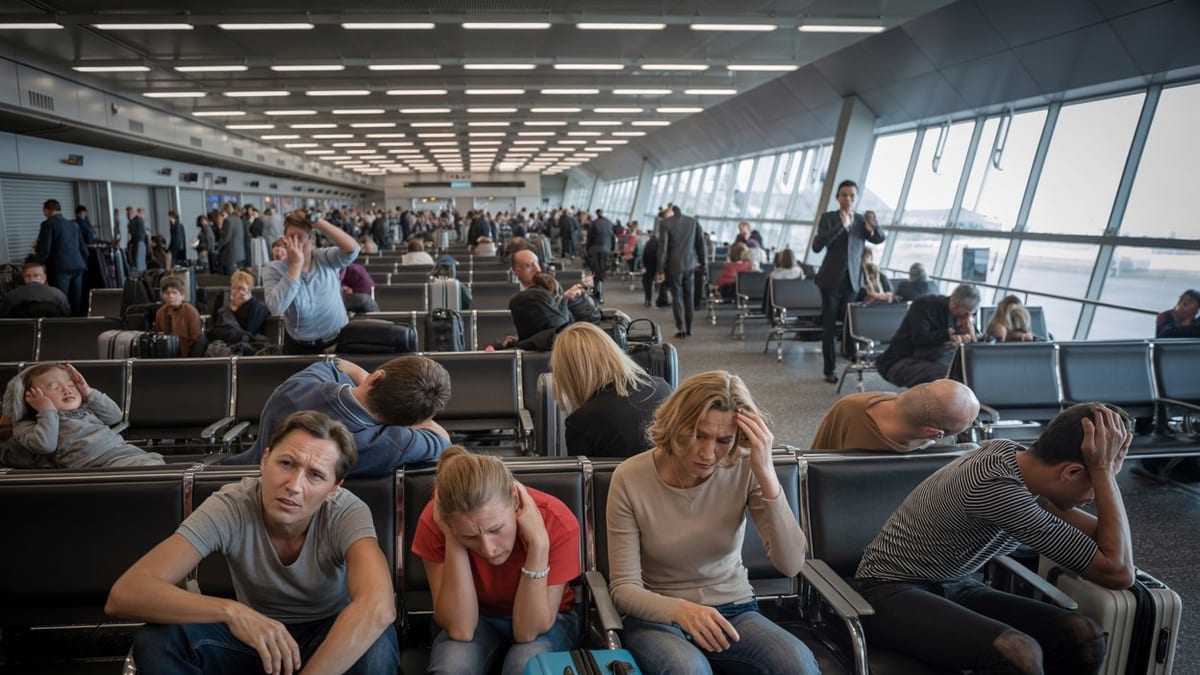
Image by Travel And Tour World
Targeted Cancellations Hit Four High-Demand Routes
Recent schedule changes published by multiple airlines and airport data providers indicate that four core routes from Bangkok have seen short-notice cancellations or frequency cuts: Bangkok to Shanghai, Manama, Kuala Lumpur and select secondary regional destinations. These adjustments are concentrated at Suvarnabhumi Airport, Thailand’s main international gateway, amplifying the impact on transit and outbound passengers.
China Eastern Airlines has scaled back services between Bangkok and Shanghai amid wider network disruptions linked to constrained airspace across parts of the Middle East and shifting demand on long-haul connections. Publicly available tracking data and timetable changes show selected Bangkok–Shanghai flights removed from sale or zeroed out on certain days, forcing passengers to rebook via alternative Chinese or Southeast Asian hubs.
Gulf Air, which links Bangkok with Manama and onward destinations in Europe and the Middle East, has also been swept up in the global realignment of services. Industry coverage notes that the carrier’s broader schedule remains under pressure as Gulf-region airspace restrictions continue, with Bangkok rotations among the routes subject to cancellation or consolidation. As a result, some travelers expecting through-connections from Bangkok to Europe via Bahrain have found their itineraries disrupted in recent days.
In parallel, regional schedules show a tightening of capacity on some Bangkok–Kuala Lumpur services as airlines reassign aircraft and crews. While Malaysia remains well served overall, selected departures have been pulled at short notice, adding to the perception among travelers at Suvarnabhumi that the situation is fluid and that even relatively short sectors cannot be taken for granted.
Passengers Stranded and Re-Routed at Suvarnabhumi
Reports from travelers and local media describe busy scenes at Suvarnabhumi Airport, with passengers on affected flights queuing at airline counters to seek rebooking or refunds. Some accounts from recent days reference overnight stays in Bangkok after late-evening cancellations, particularly on long-haul and connecting itineraries that relied on Middle East or Chinese hubs.
Travel discussion forums focused on Thailand have carried posts from visitors whose outbound journeys were abruptly canceled, leaving them to secure additional nights of accommodation and pay for new tickets on still-operating airlines. Several contributors mention Suvarnabhumi as the most heavily affected Thai airport, a pattern that aligns with data from Thailand’s air navigation authorities showing hundreds of cancellations into and out of Bangkok during the current disruption cycle.
For stranded passengers, options vary widely by route and airline. Some are being reprotected on later departures or rerouted via alternative hubs such as Singapore, Hong Kong or regional secondary airports, according to itinerary screenshots and airline notices shared online. Others, particularly those on heavily affected Middle East or China-linked itineraries, have reported limited availability and sharply higher one-way fares when trying to piece together new routes home.
Travelers departing Bangkok for onward connections via Shanghai, Manama and Kuala Lumpur have therefore been urged by consumer advocates and travel media to monitor their bookings closely and to allow extra time at the airport, as same-day rebooking lines remain long during peak periods.
Why Airlines Are Cutting Flights Now
The immediate backdrop to the latest cancellations is a combination of regional conflict, airspace restrictions and operational pressures that have cascaded through airline networks worldwide. Recent international coverage highlights how closures and constraints affecting key Gulf hubs such as Dubai, Doha and Abu Dhabi have forced carriers to thin schedules, reroute aircraft and, in some cases, ground capacity for extended periods.
For airlines serving Bangkok, these constraints translate into fewer viable routings, longer flight times and tighter crew and fleet availability. Gulf Air’s Manama–Bangkok link, for example, depends on the stability of Gulf-region air corridors and connections onward to Europe and Africa. When those corridors close or become congested, schedules ripple out across the network, and Bangkok rotations are among the services that can be pared back in order to preserve core trunk routes.
China Eastern Airlines and other Chinese carriers are responding to a separate but related set of pressures. Shifts in demand between China and Southeast Asia, combined with aircraft and crew repositioning to support more resilient or higher-yield markets, have led to tactical reductions on some Bangkok–Shanghai operations. Industry analytics platforms show elevated cancellation and delay rates across sections of the Chinese network during recent weeks, reinforcing the sense that the situation is dynamic rather than confined to Thailand.
Meanwhile, Southeast Asian and regional airlines, including Bangkok Airways, continue to adjust their own timetables around Suvarnabhumi in response to knock-on effects. Previous announcements from Bangkok Airways on schedule flexibility and passenger rights underscore that the carrier may consolidate flights or alter timings when irregular operations become sustained, a framework that is now being tested as multiple international partners alter their patterns into Thailand.
What Bangkok Airways and Other Carriers Are Offering Passengers
Bangkok Airways has previously outlined passenger protections for cancellations and long delays from Thailand, including compensation thresholds and entitlements based on distance and delay time. Its publicly available notice on passenger rights reflects Thai regulations that require airlines to provide assistance such as meals, accommodation and financial compensation in defined circumstances for affected travelers on international departures.
While current individual cases at Suvarnabhumi vary, those regulations set a baseline for what passengers can expect when flights are canceled for reasons within an airline’s control. In situations where disruptions stem from wider airspace closures or security concerns, carriers still generally provide rebooking or refunds, but cash compensation may not apply in the same way, depending on local law and the specific cause noted in the airline’s communication.
Other international airlines involved in the present disruption wave, including China Eastern Airlines and Gulf Air, have issued updated travel advisories and waiver policies on their own channels. These typically allow passengers holding tickets on canceled or severely altered flights to rebook without change fees, to shift travel dates within a defined window, or to request refunds in cases where the journey is no longer possible. Travel media reports emphasize that the exact options differ by carrier and ticket type, making it important for travelers to review the conditions attached to their booking.
Tour operators and online travel agencies are also playing a role, particularly for visitors who bought package holidays or multi-stop itineraries originating outside Thailand. Some agencies are arranging alternative routings for clients at no additional service charge, while others indicate that new tickets must be purchased and reclaimed later if airline refunds are delayed.
Practical Advice for Travelers Heading to or from Bangkok
For travelers with upcoming trips involving Bangkok and onward connections to Shanghai, Manama, Kuala Lumpur or other major hubs, aviation analysts and travel publications are recommending a more cautious approach than usual. Checking flight status frequently in the 24 to 48 hours before departure, ensuring airline contact details are up to date and downloading carriers’ mobile apps are among the steps suggested to receive timely notifications of schedule changes.
Passengers with tight connections through Suvarnabhumi may want to consider adding extra buffer time or, where possible, switching to itineraries that avoid the most heavily affected hubs in the Middle East. For those already in Thailand, contacting airlines through official digital channels before traveling to the airport can sometimes clarify whether a flight remains on the operating list for that day, particularly in periods when call centers are overwhelmed.
Travel insurance that includes coverage for missed connections, delays and additional accommodation expenses has become more relevant as the disruption continues. Policy terms vary significantly, but published guidance from insurers suggests that travelers should retain receipts for hotels, meals and replacement transport in case claims are later permitted under disruption-related clauses.
Despite the turbulence, Suvarnabhumi remains open and many flights are operating normally. However, the cancellations by Bangkok Airways, China Eastern Airlines, Gulf Air and other carriers have highlighted just how quickly conditions can shift. For now, travelers using Bangkok as a gateway are being encouraged by industry observers to stay flexible, informed and prepared for last-minute changes as airlines navigate one of the most complex operating environments in recent years.