

More news on this day
A new Malawian carrier, Khama Airlines, is moving closer to launching domestic flights linking Lilongwe, Blantyre and key Lake Malawi destinations, a development industry leaders say could transform tourism access and revive long-struggling visitor numbers.
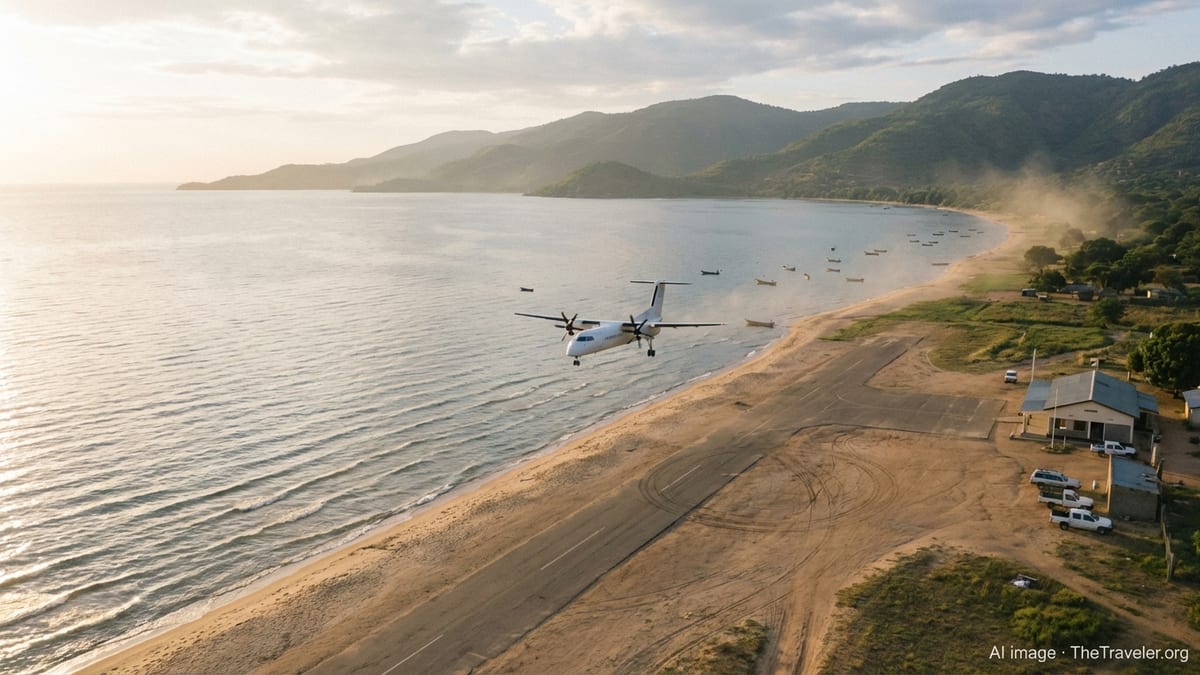
New Carrier Targets Malawi’s Tourism Lifeline
Khama Airlines, a privately backed start-up based in Lilongwe, is in the final stages of securing regulatory approvals to begin scheduled services that will connect the political capital with Blantyre and key resort towns along Lake Malawi, according to people familiar with the project and early company communications. While the airline has not yet confirmed an inaugural date, officials close to the process say they are working toward a phased launch of domestic routes once licensing and safety checks are complete.
The planned network is expected to focus initially on high-demand tourism and business corridors, notably Lilongwe to Blantyre and Lilongwe to airstrips or regional airports serving popular lakeshore hubs. In practice, this would shorten journey times that currently involve long, often unpredictable road travel, particularly during the rainy season when some routes become difficult.
Tourism operators say improved air access has been a missing link in Malawi’s efforts to compete with regional neighbours for long-stay and high-spend visitors. For years, travelers headed to Lake Malawi’s beaches, lodges and national parks have relied on a patchwork of charter services, road transfers and limited scheduled links, often adding a full travel day to their itineraries.
By positioning itself as a domestic connector rather than a long-haul carrier, Khama Airlines is seeking to fill the gap between charter operators and regional airlines that primarily focus on international routes. The model mirrors successful tourism-focused networks elsewhere in southern and eastern Africa, where small and mid-sized aircraft shuttle passengers from national gateways to remote lodges and coastal resorts.
Regulatory Steps and Market Timing
People close to Malawi’s aviation sector say Khama Airlines has been working with the Malawi Civil Aviation Authority on the detailed requirements for its air operator’s certificate and route approvals. The process typically includes aircraft inspections, proving flights, safety and maintenance audits, and demonstration of financial viability before commercial tickets can be sold.
The timing of the launch appears aligned with a broader rebound in regional travel, as carriers serving Malawi add capacity and routes and as governments promote tourism as a pillar of economic recovery. Existing operators have focused primarily on international links, leaving room for a dedicated domestic player to structure schedules around tourism peaks, weekend getaways and intra-country business trips.
Industry analysts say one challenge for any new Malawian airline is avoiding the financial pitfalls that have previously forced domestic carriers to shut down. High operating costs, currency volatility and relatively small passenger numbers can quickly erode margins if aircraft are not carefully matched to demand. Khama Airlines is understood to be considering a fleet mix tailored to shorter sectors and thinner routes, likely including turboprops with lower fuel burn and flexible cabin configurations.
Aviation observers note that regulatory scrutiny has increased in recent years, particularly for new entrants promising rapid growth. For Khama Airlines, demonstrating a measured, tourism-focused rollout and robust safety standards will be central to winning public trust and securing long-term support from travel trade partners.
Boost for Lake Malawi Resorts and Regional Hubs
The clearest beneficiaries of Khama Airlines’ proposed network would be the communities and tourism businesses clustered along Lake Malawi, widely marketed as the country’s crown jewel. The lake’s clear waters, beaches and diving sites draw international visitors, but access often requires lengthy road transfers from Lilongwe or Blantyre that can deter short-stay tourists and older travelers.
Regular flights from Lilongwe and Blantyre to airports and airstrips serving the lakeshore would allow lodges and tour operators to offer more seamless itineraries, including three or four night packages that are currently difficult to market given travel times. Improved connectivity is also expected to support conference and incentive travel, with delegates able to add a quick lakeside break before or after meetings in the cities.
Local stakeholders hope the new airline will structure schedules to connect smoothly with regional and intercontinental services operated by other carriers. Coordinated timetables would allow passengers arriving from hubs such as Johannesburg or Nairobi to transfer the same day onto domestic sectors, avoiding overnight stays purely for logistical reasons.
Beyond tourism, regular flights are likely to support trade and social travel between Malawi’s major urban centres and lakeside towns. Faster links can help spur investment in hospitality, real estate and services around Lake Malawi, particularly if Khama Airlines maintains reliable operations through both high and low seasons.
Lessons From Malawi’s Aviation Past
Malawi’s domestic aviation history is marked by both ambition and setbacks, from earlier national and private carriers that struggled to sustain regular services across the country. Sector experts say Khama Airlines will need to study those precedents carefully, balancing growth aspirations with realistic load factors and disciplined cost control.
One advantage for the new airline is the changing profile of Malawi’s visitors, with a growing share of regional travelers seeking shorter, experience-driven trips that pair city stays with nature and beach escapes. This aligns well with a hub and spoke model in which Lilongwe and Blantyre act as gateways feeding thinner routes to lakeshore and conservation areas.
Another lesson is the importance of partnerships. Travel agents, tour operators, conservation NGOs and hospitality investors all play a role in sustaining demand for domestic flights, particularly outside peak holiday periods. Early outreach by Khama Airlines to these groups is expected to focus on joint marketing, block bookings, and inclusive packages that bundle air, ground and accommodation into a single product.
Stakeholders also stress the need for transparent communication with passengers regarding schedules, fares and service disruptions. Previous carriers damaged public confidence when cancellations and delays became frequent. If Khama Airlines can maintain reliability and clear messaging, observers say, it will stand a better chance of building a loyal domestic and regional customer base.
Balancing Environmental and Economic Priorities
As Malawi seeks to grow tourism around Lake Malawi and its national parks, questions about the environmental footprint of increased air travel are gaining prominence. Aviation contributes to global emissions, yet improved access is often essential for bringing in the visitor revenues that fund conservation and community projects.
Tourism planners argue that a well designed domestic network can actually support more sustainable travel patterns by reducing long, fuel intensive road journeys and enabling visitors to spend more time at fewer destinations. Airlines can also mitigate their impact through modern, fuel efficient aircraft, careful route planning and participation in carbon offset or community investment schemes.
For Khama Airlines, aligning its brand with responsible tourism from the outset could prove a competitive advantage. Operators along Lake Malawi are increasingly marketing themselves on the basis of low impact activities, community involvement and conservation credentials. A carrier that visibly shares those values may be better positioned to secure partnerships and repeat business from environmentally conscious travelers.
With its planned launch drawing closer, Khama Airlines is emerging as a test of whether a focused, domestically oriented carrier can finally unlock Malawi’s full tourism potential. If successful, its routes between Lilongwe, Blantyre and Lake Malawi could redefine how visitors and residents move around the country, bringing remote shorelines and small towns a vital step closer to the global travel map.