

More news on this day
KLM’s upcoming Airbus A350 fleet is beginning to take shape, with the Dutch carrier outlining its planned cabin layout, likely first destinations and the role the type will play in a wider long haul renewal strategy from 2026.
Get the latest news straight to your inbox!
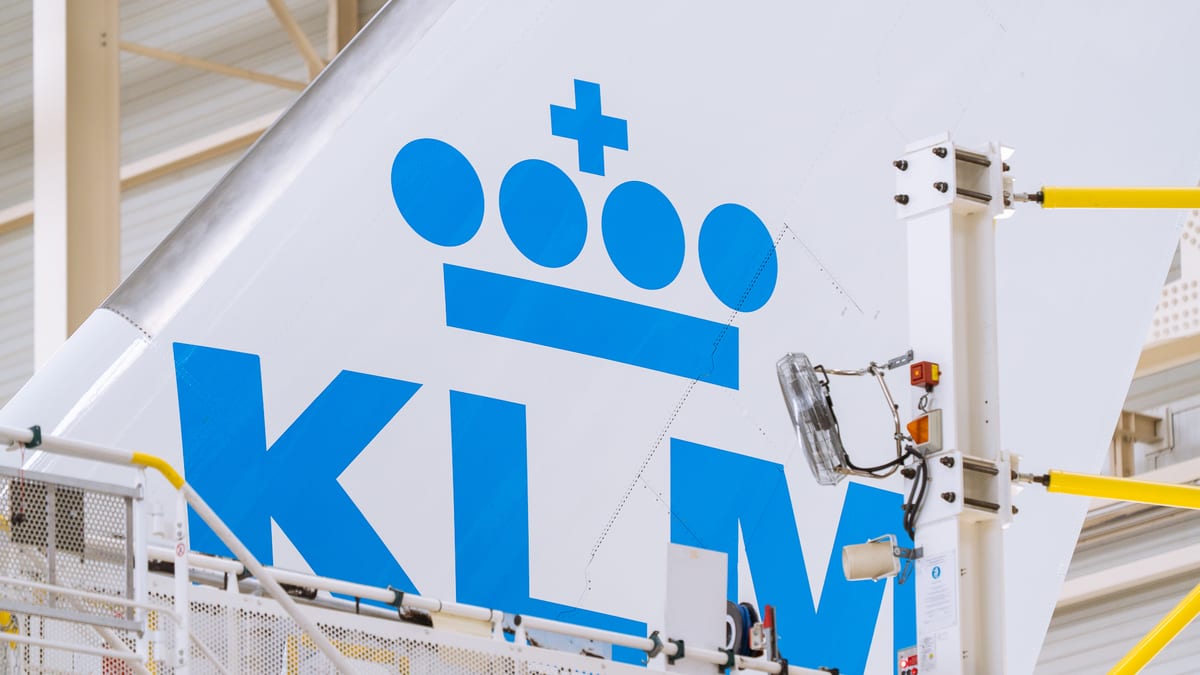
Image by Airways Magazine
A350 Layout Confirms Three Class Long Haul Focus
Publicly available fleet documents and industry reports indicate that KLM’s Airbus A350-900s will be delivered in a three class configuration built around its World Business Class and Premium Comfort products. The airline has already standardized these cabins across much of its Boeing 787 and 777 fleets, and the A350 layout of passenger accommodations, or LOPA, is expected to mirror that approach with a relatively dense but competitive long haul layout.
Recent fleet summaries list KLM with firm orders for more than twenty A350-900s, with a total seat count in the low 300s. While the exact breakdown can vary by aircraft batch, industry seat plans suggest a layout with around three dozen lie flat business class seats in the forward cabin, followed by a smaller dedicated Premium Comfort section and a larger economy cabin in a nine abreast 3-3-3 configuration, making full use of the A350’s wide fuselage.
The A350 introduction also aligns with KLM’s move to position Premium Comfort as a true premium economy product, distinct from extra legroom economy. On the carrier’s existing widebodies, Premium Comfort offers a wider seat, greater recline, enhanced meals and upgraded amenities, and this product positioning is expected to carry over to the A350, giving KLM a consistent three tier long haul offering on its newest jets.
Compared with some competitors that have adopted higher density ten abreast layouts on other widebody types, the A350’s nine abreast economy cabin allows KLM to balance seat count and passenger comfort, an important factor on long missions from Amsterdam to North America, Asia and Africa.
First Deliveries Timed From Late 2026
According to Airbus order data and independent fleet trackers, KLM’s first A350 deliveries are scheduled from 2026, following earlier decisions within the Air France KLM Group to consolidate A350 passenger operations at Air France. More recent fleet planning has shifted part of that order book toward KLM as it prepares to renew its own twin aisle fleet.
Reports from pilot training providers and aviation media indicate that A350 type rating and simulator training for KLM crews has already begun, even as the initial handover timeline has moved toward the end of 2026. This lead time allows the carrier to build crew experience and refine procedures ahead of the aircraft’s entry into commercial service from Amsterdam Schiphol.
The timing places KLM’s A350 debut in the same period as broader capacity growth across its network, with the airline planning more long haul frequencies and several new intercontinental destinations around the middle of the decade. The A350’s entry into service is therefore expected to support both replacement of older aircraft and measured expansion on routes where demand and airport restrictions favor quieter and more efficient types.
With deliveries set to run into the late 2020s, the A350 will gradually become one of the pillars of KLM’s long haul operation alongside the Boeing 787, reshaping the carrier’s fleet mix over the next ten years.
Likely Launch Routes From Amsterdam
KLM has not yet published a definitive list of inaugural A350 routes, but its current and planned long haul network offers strong indications of how the first aircraft will be deployed. Publicly available schedules show sustained growth on North American services, including multiple daily flights to major hubs such as New York, Los Angeles and Toronto, as well as newer links like San Diego.
Industry analysts suggest that early A350 operations are likely to focus on high volume intercontinental routes where the type can directly replace older Airbus A330s and Boeing 777-200ERs. These include select services to North America, the Caribbean and key points in Asia and Africa that already see consistent widebody demand from Amsterdam. Using the A350 on such routes would allow KLM to showcase its latest cabins while immediately capturing fuel and maintenance efficiencies.
New and recently announced destinations also stand out as potential A350 candidates once deliveries ramp up. Over the 2025 and 2026 seasons KLM plans to maintain or grow service to markets such as Hyderabad and Georgetown, and to add more links that connect secondary cities to its Schiphol hub. The A350’s range and economics make it well suited to medium and long haul missions of this type, especially where airport noise or slot constraints favor newer aircraft.
Before entering long haul rotation at scale, the first A350 frames may also appear on shorter regional sectors from Amsterdam for crew training and familiarisation. Other European carriers have followed a similar pattern, temporarily using new widebodies on intra European flights before transitioning them fully to intercontinental routes.
Fleet Renewal and Environmental Strategy
The A350 order sits within a broader multiyear renewal program at KLM that touches both short haul and long haul operations. On the medium haul side, the airline is phasing out older Boeing 737s in favor of Airbus A320neo and A321neo aircraft, while its Cityhopper subsidiary introduces newer Embraer E2 jets. On long haul, the A350 will progressively replace ageing A330s and older 777 variants, reducing the number of aircraft families in use.
Air France KLM’s annual reports describe a group wide objective to cut fuel burn, carbon emissions and noise through fleet modernization, with the A350 and Boeing 787 highlighted as central to that plan. The A350’s composite structure, new generation engines and advanced aerodynamics offer double digit reductions in fuel consumption per seat compared with the aircraft it replaces, along with a significantly smaller noise footprint on takeoff and landing, which is particularly relevant at noise sensitive Schiphol.
This environmental performance also has a regulatory dimension. Dutch authorities have proposed measures to limit noise and emissions around Amsterdam Airport Schiphol, creating an incentive for airlines such as KLM to accelerate the introduction of quieter types. By pairing the A350 with smaller regional jets that also offer lower acoustic impact, the airline aims to support its home hub’s sustainability objectives while preserving network connectivity.
From a customer perspective, the renewed fleet allows KLM to align its onboard product more closely with its sustainability narrative, offering a modern cabin that incorporates lighter materials, improved air quality systems and more efficient inflight entertainment, all of which contribute to lower overall weight and energy use.
Competitive Positioning in the Long Haul Market
Bringing the A350 into its fleet gives KLM a new tool to compete with European and Gulf rivals that already operate the type across long haul networks. Many of those carriers use the A350 to combine relatively low unit costs with upgraded cabin products, and KLM’s three class LOPA fits that same competitive logic.
The combination of refreshed World Business Class suites, a clearly differentiated Premium Comfort cabin and a nine abreast economy section positions KLM to target both corporate and leisure demand from Amsterdam and beyond. For corporate clients, the A350’s consistent product and improved reliability can make KLM more attractive on key city pairs, while leisure travelers may benefit from quieter cabins and more modern interiors.
Network planners also point to the A350’s flexibility as a factor in KLM’s long term strategy. The aircraft can efficiently serve both dense trunk routes and thinner long haul markets that might not justify larger widebodies. This flexibility could help KLM sustain year round connectivity to secondary cities in North America, Asia and Africa, even as demand patterns shift.
As deliveries progress toward the end of the decade, the A350 is expected to sit alongside the Boeing 787 as KLM’s primary long haul workhorses, with older types retired or moved to less demanding roles. The resulting simplification of the fleet, combined with the A350’s modern layout and performance, marks a significant strategic pivot for the Dutch flag carrier’s intercontinental business.