

More news on this day
Global economic jitters are failing to deter younger travelers, with fresh data from Klook’s Travel Pulse 2026 showing that 88% of Millennials and Gen Z plan to maintain or increase their travel budgets in 2026, led by a powerful surge in demand across Asia Pacific.
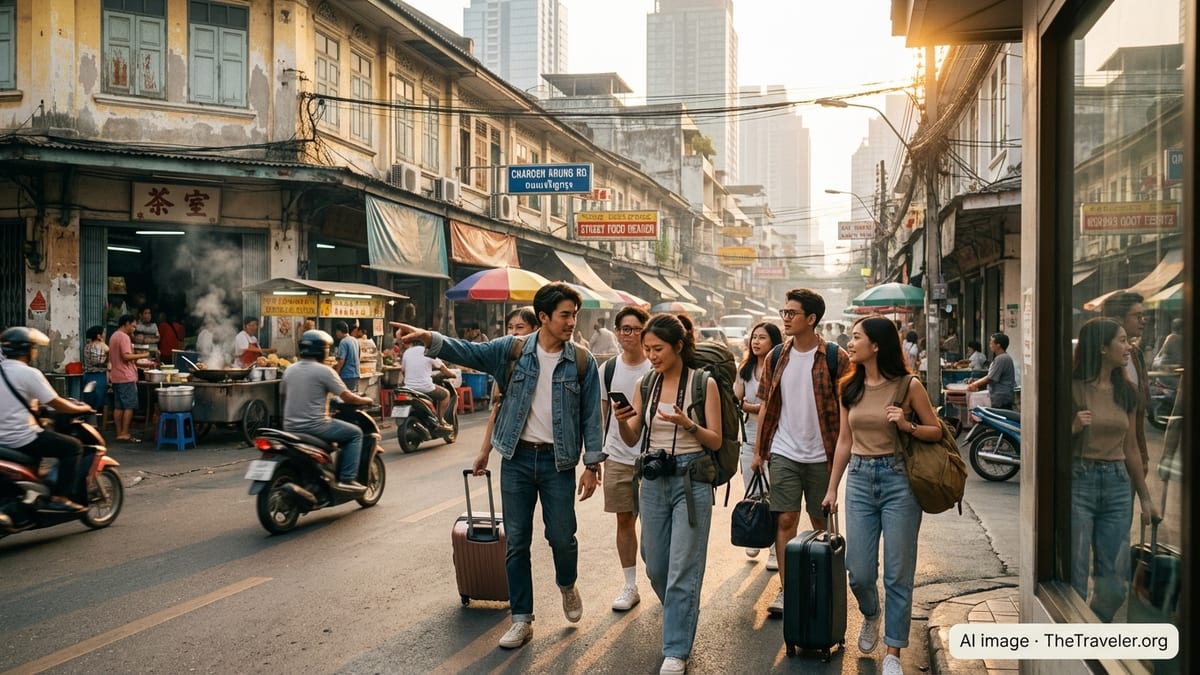
New Klook Survey Signals Resilient Youth Travel Demand
Released in February 2026, the latest edition of Klook’s Travel Pulse survey paints a striking picture of travel resilience among younger generations. Based on responses from 11,000 consumers across 16 markets in Asia Pacific, Europe and North America, the study finds that almost nine in ten Millennials and Gen Z travelers worldwide are not cutting back on travel this year despite a higher cost of living and continued economic uncertainty.
The findings reinforce the role of younger travelers as a driving force in the global tourism recovery. For many in these age groups, travel has shifted from a discretionary luxury to a core lifestyle priority. Rather than shelving trips, they are rethinking how to spend, where to go and which experiences matter most, while still protecting time and budget for domestic and international journeys.
The survey also highlights a broader normalization of international mobility after the acute post pandemic rebound of 2023 and 2024. Instead of a one off burst of “revenge travel,” Klook’s 2026 data suggests that Millennials and Gen Z are settling into a sustained pattern of frequent, experience focused trips that they intend to keep funding even as other expenses rise.
Asia Pacific Emerges as the Growth Engine for 2026 Travel
Asia Pacific stands out in Klook’s Travel Pulse 2026 as the clear engine of growth for global travel demand. According to the study, travelers in the region are about 50 percent more likely than their counterparts in Europe and the United States to say they will increase travel spending this year, cementing APAC as the world’s most dynamic outbound and intra regional market.
The findings echo separate trend analyses showing Asia’s outsized role in international flight search growth and destination inspiration for 2026. From East Asia’s established hubs to Southeast Asia’s fast rising hotspots, markets across the region are capturing a larger share of global travel intent, helped by improved air connectivity, favorable exchange rates and a strong appetite among younger consumers for cross border exploration.
For destinations and operators, this tilt toward Asia Pacific is more than a cyclical upswing. Klook’s report indicates that Millennials and Gen Z in APAC are not only traveling more but also spending differently, prioritizing activities, tours and cultural encounters that deepen engagement with each place. That positions the region at the forefront of the shift toward value rich, experience led tourism that many brands now see as critical to long term growth.
International Trips and Multi Destination Journeys on the Rise
One of the headline findings from Klook’s 2026 study is the strength of international travel intent. Nine in ten global travelers surveyed say they are planning at least one international trip this year, with 61 percent expecting to travel abroad in the first half of 2026, up from 50 percent over the same period a year earlier. This early year momentum points to a busy northern summer and a strong calendar for long haul markets.
Equally notable is a clear pivot away from single destination itineraries. Two thirds of respondents say they are likely to visit multiple destinations in a single trip, combining well known gateways with lesser known locales. Major cities are increasingly viewed as launch pads rather than final stops, as travelers connect through them to coastal towns, regional cultural centers and nature based escapes.
This pattern is especially visible among Gen Z travelers in Asia Pacific, who favor fast paced, densely packed itineraries that blend iconic city experiences with lesser visited districts and secondary cities. In Japan, for example, Klook notes interest spreading beyond Tokyo and Osaka to places such as Yokohama, Hiroshima and Nagoya, reflecting a desire for more breathing room, local flavor and distinctive cultural experiences away from the most congested areas.
Experiences Over Shopping as Budgets Rebalance
Across markets, Klook’s Travel Pulse 2026 confirms a strong “experiences first” mindset. When forced to make trade offs in the face of inflation, younger travelers report cutting back on retail spending and material purchases while protecting or even increasing their budgets for activities, tours and on the ground experiences at their chosen destinations.
The data shows this trend is particularly pronounced in Asia Pacific, where travelers are nearly twice as likely as those in Europe and the United States to say they will spend more on experiences in 2026. That includes everything from guided food tours and outdoor adventures to cultural workshops, wellness sessions and attraction tickets booked in advance.
This shift in spending priorities represents a structural change for the travel industry. Instead of focusing mostly on flight and hotel deals, younger travelers are now weighing the value of each trip by the quality and depth of experiences they can access. Many are willing to opt for more modest accommodation or shorter stays if that frees budget for once in a lifetime activities, immersive excursions and authentic local encounters.
APAC Youth Travelers Redefine Value and Destination Choices
The rise of experience first travel in Asia Pacific is reshaping how value is defined in the region. For Gen Z and Millennials, value is less about discounts and more about maximizing the richness of time spent away. Klook’s findings suggest that this is driving a surge in demand for destinations that offer a blend of affordability, authenticity and ease of movement.
Beyond the major capitals, secondary cities and emerging regions are benefiting from this redefinition. Travelers are looking for places that promise strong local food cultures, walkable neighborhoods, access to nature and distinctive heritage, all at price points that keep their overall journey within budget. In several APAC markets, tourism boards are responding with targeted campaigns and improved infrastructure designed to disperse visitors more evenly and highlight lesser known areas.
At the same time, younger travelers in Asia Pacific are sharpening their expectations around service quality and digital convenience. Many expect seamless mobile booking for experiences, instant confirmations, transparent pricing and clear reviews before committing spend. Platforms such as Klook, which specialize in curated on the ground activities, are increasingly positioned as key intermediaries connecting this demand with local operators.
Social Media Inspiration Meets AI Powered Planning
Klook’s 2026 report underscores the combined influence of social media and artificial intelligence tools on how Millennials and Gen Z discover, plan and refine their trips. Social media remains the primary spark for inspiration, with a large majority of respondents saying that content they see on platforms helps shape both destination choices and specific experience bookings.
Short form videos, destination vlogs and user generated posts now function as a trust layer, giving would be travelers the confidence to visit lesser known locations or try new activities they might previously have overlooked. Viral recommendations can quickly elevate a neighborhood food market, a coastal town or a local festival into a must visit stop on a multi city itinerary.
Once the inspiration is in place, however, AI tools are increasingly taking over the practical side of trip planning. Klook cites a very high share of travelers, more than nine in ten in its 2026 dataset, who say they use some form of AI assistance for tasks such as research, translation, itinerary structuring and budget management. Together, social media and AI form a loop in which desire is sparked visually, then filtered through practical constraints of time, cost and accessibility before bookings are made.
Younger Generations Anchor a More Intentional Travel Era
Viewed alongside other recent surveys from industry players and travel associations, Klook’s Travel Pulse 2026 suggests that Millennials and Gen Z are anchoring a more intentional era of travel. They are not simply traveling more; they are deciding more carefully why, with whom and for what kinds of experiences they are willing to allocate limited time and money.
Many trips for 2026 are being planned around key life moments, reunions and shared experiences with partners, friends and family, reinforcing the idea of travel as a tool for connection rather than just escape. This focus aligns closely with Klook’s own longer running research into “shared experiences” as a new love language for younger travelers across Asia Pacific.
For tourism providers worldwide, the message is clear. As 2026 unfolds, destinations that can combine strong value for money with rich, bookable experiences, authentic local culture and frictionless digital planning will be best placed to capture the spending power of Millennials and Gen Z. With 88 percent of these travelers determined to keep traveling and keep spending, they look set to remain the most influential segment of the global travel market for years to come.