

More news on this day
Korean Air is moving into emergency management mode as a sudden spike in jet fuel prices and currency pressures sends operating costs sharply higher, triggering fresh fare increases, tighter schedules and mounting frustration among travelers in one of Asia’s busiest aviation markets.
Get the latest news straight to your inbox!
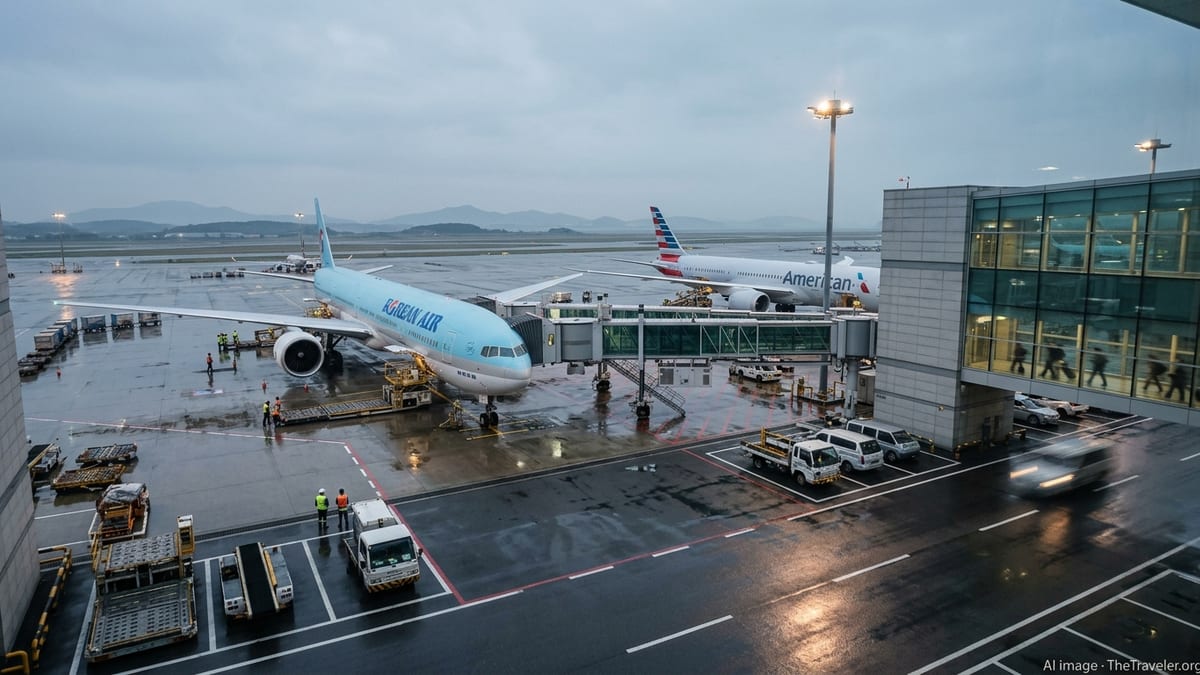
Jet Fuel Shock Hits Korea’s Flag Carrier
Publicly available information shows that Korean Air is preparing a broad cost-control drive after jet fuel prices surged in the wake of renewed conflict involving Iran and wider instability in the Middle East. Industry data indicate that global jet fuel benchmarks have jumped steeply since late February, raising operating expenses for airlines worldwide and forcing carriers to rework route economics with little warning.
According to recent Korean business coverage, Korean Air plans to enter what it describes as emergency management this week to respond to the spike in fuel costs and other external headwinds, including a weakening Korean won against the U.S. dollar. Reports indicate that fuel already accounts for close to 30 percent of airline operating costs, meaning a rapid upward swing in prices can erode margins in a matter of weeks even for large, previously profitable carriers.
Analyst commentary on Korean Air’s latest earnings has highlighted how quickly the environment has shifted. The carrier reported solid revenue growth and a positive operating result for 2025, helped by resilient long haul demand and a still-strong cargo business. Yet recent financial notes also point to rising labor, depreciation and fuel expenses eating into profitability, leaving the airline more vulnerable as the fuel shock gathers pace.
The emergency stance now being adopted is described in local media as a preemptive move rather than a sign of imminent distress, but it underscores how severely the fuel crisis is reshaping airline strategies across the Asia Pacific region.
Fuel Surcharges and Fares Climb for Passengers
For travelers, the most visible impact is appearing in ticket prices and fuel surcharges. Korean Air periodically adjusts its surcharges on international routes according to jet fuel benchmarks, and industry reports from Seoul suggest that a steep increase for April is being prepared as fuel indices move to their highest levels in more than a decade. Similar moves by other Asian and global carriers point to a regionwide repricing of air travel.
Past notices show Korean Air revisiting surcharges on both short and long haul itineraries whenever benchmark prices breach regulatory thresholds. Consumer discussions and recent fare searches shared online indicate that long haul passengers departing from Incheon are increasingly shouldering fuel charges worth hundreds of dollars on top of base fares, even when redeeming frequent flyer miles for award tickets.
Travel agents in Korea and overseas are reporting a sudden wave of re-quotations on spring and early summer itineraries as surcharge tables are updated. According to published coverage in Korean business media, fuel surcharges are designed to offset only part of the jump in costs, with airlines still absorbing a share of the shock. Nonetheless, the rapid increases are generating complaints from leisure travelers and small businesses that rely on affordable international flights.
With demand on key transpacific and Europe routes still relatively firm, yield management teams are using the tight capacity backdrop to sustain higher all-in fares. The result is a perception among many passengers that prices are rising faster than service levels, particularly when they encounter knock-on operational disruptions.
Operational Strain, Full Flights and Growing Chaos
Although Korean Air has not announced large-scale mass cancellations, the combined pressure of high fuel prices, capacity constraints and a softening local currency is feeding into a more fragile operating environment. Publicly available airline and airport data show that load factors out of Incheon and other major Korean gateways remain high heading into the northern summer season, leaving limited room to re-accommodate passengers when disruptions occur.
Across the Korean market, several low cost rivals have already begun trimming or suspending fuel-intensive routes. One recent example is T’way Air’s decision to halt its Seoul to Saipan service for the entire peak summer schedule, with the carrier citing rising fuel costs, supply constraints and weaker demand tied to the Middle East crisis. Industry observers note that such route cuts shift more passengers onto the remaining services, including those operated by Korean Air, increasing the risk of overcrowding and missed connections.
Online travel forums and social media posts in recent days describe longer queues at check in counters, fuller cabins and occasional last minute schedule changes as airlines tweak departure times and aircraft assignments to optimize fuel burn. Delays and misconnections, while not unprecedented, are viewed by many travelers as more disruptive now that alternative flights are harder to secure and fares are significantly higher than a year ago.
Aviation analysts point out that Korean Air’s emergency measures, which reportedly include stricter cost controls and capacity reviews, could lead to more conservative scheduling in the coming months. That may reduce some operational risk over time but could also tighten available seat supply on popular routes if fuel prices remain elevated.
Industrywide Crisis across Asia Pacific Skies
Korean Air’s situation is part of a wider crisis gripping airlines across the Asia Pacific region. Trade association data for 2024 already showed jet fuel prices averaging close to 100 dollars per barrel, pressuring carriers even before the latest surge linked to the conflict around Iran and shipping risks near the Strait of Hormuz. The newest jump in prices is coming on top of structural cost increases that many airlines have yet to fully pass on to customers.
Sustainable aviation fuel mandates and environmental regulations are also adding complexity. South Korea has previously outlined plans to require a small percentage of sustainable fuel in international departures from 2027, and Korean Air has tested limited blends on select routes. While the long term impact on emissions is seen as positive, these policies are expected to keep fuel-related costs structurally higher than in the pre-pandemic era.
Other regional carriers are signaling similar alarm. Recent statements from airlines in Hong Kong, Japan and Southeast Asia reveal a trend of frequent fuel surcharge reviews, increased ancillary fees and, in some cases, route suspensions where margins have turned negative. Industry commentary compares the current moment to earlier oil shocks that forced airlines to overhaul fleets, renegotiate labor agreements and exit marginal markets.
For Korean Air, the challenge is compounded by intense competition on major trunk routes and the lingering need to invest in fleet renewal and digital systems. Balancing emergency cost controls with long term modernization is emerging as a central strategic test as the fuel crisis deepens.
What Travelers Can Expect in the Months Ahead
For passengers booking flights with Korean Air and its competitors, publicly available pricing trends suggest that elevated fares and fuel surcharges are likely to persist as long as jet fuel remains expensive and volatile. Analysts following the sector indicate that airlines typically lag underlying fuel movements by several weeks when adjusting surcharges, raising the possibility of further increases if benchmark prices stay at current levels or climb higher.
Travel planners are already advising clients to build in more time for connections, especially on itineraries that involve busy hubs such as Incheon, Narita, Hong Kong and major Middle Eastern gateways. With load factors high and some secondary routes being pared back, options for same day rebooking are narrower than in previous years, increasing the risk that disruptions cascade into longer delays.
On the upside, Korean Air’s decision to formalize emergency management may bring more disciplined communication around schedule adjustments and pricing, as well as sharper internal focus on fuel efficiency measures such as optimized flight paths and weight reduction programs. Industry reports emphasize that large network carriers still have more tools than smaller rivals to hedge fuel, redeploy widebody aircraft and tap alliance partners when markets become stressed.
Still, the broader narrative for 2026 is one of turbulence for passengers and airlines alike. Until geopolitical tensions ease and fuel markets stabilize, Korean Air and its regional peers are expected to remain locked in a difficult balancing act between financial survival and maintaining enough capacity and reliability to keep travelers moving.