

Kos is one of the Dodecanese islands that feels instantly welcoming yet rich with history, where long ribbons of sand meet ancient ruins and whitewashed villages tumbling down mountain slopes.
It is compact enough to explore in a few days, but varied enough to fill a week or more with beach-hopping, cycling, boat trips and archaeological wandering.
This guide brings together the latest practical information and on-the-ground insights to help you decide when to go, where to stay, what to see and how to make the most of your time on Kos.
Orientation: Getting to Know Kos
Kos sits in the southeastern Aegean, close to the coast of Turkey and surrounded by other Dodecanese islands. At around 45 kilometers long, it is an easy island to traverse, with a spine of low mountains, wide fertile plains and a coastline dotted with both resort towns and quieter coves.
Kos Town in the northeast is the main hub, home to the island’s biggest harbor, a busy promenade and many of the most important historical sites. The airport lies inland near Antimachia, about a 25 to 30 minute drive from Kos Town and a similar distance from southern resorts such as Kardamena.
The island’s history stretches back to the Bronze Age, but Kos is best known as the birthplace of Hippocrates and for its role in the ancient medical world, particularly at the Asklepion sanctuary.
Over the centuries, it has been ruled by Classical Greeks, Romans, Byzantines, the Knights of Saint John, Ottomans and Italians, each leaving traces in the architecture and urban layout. Today, tourism is the dominant economy, though you will still see vineyards, olive groves and vegetable fields blanketing the interior, especially around villages such as Pyli.
Most visitors base themselves along the northern or southern coasts, where long sandy beaches and modern resorts dominate. Kos Town suits those who want easy access to nightlife, dining and day trips. The south-coast village of Kardamena is popular with younger travelers and families looking for a mix of beach time and bar-hopping.
On the western side, Kefalos and Kamari Bay offer a more low-key atmosphere, with smaller hotels, traditional tavernas and views across to the small islet of Kastri crowned by a little blue-domed chapel.
Although buses link major towns and resorts, Kos is particularly well suited to independent exploration. Many visitors rent a car, scooter or bicycle for at least a couple of days, using the main ring road and well-signed side routes to explore beaches, mountain villages and viewpoints. Cycling is especially popular along the relatively flat northeast coast, where dedicated bike paths connect Kos Town with nearby suburbs and beaches.
When to Go: Seasons, Weather and Crowds
Kos enjoys a classic Mediterranean climate with hot, dry summers and mild, wetter winters. From June to September, daytime temperatures routinely hit the high 20s to mid 30s Celsius, with July and August often the hottest months.
Humidity is generally moderate, and many days are tempered by the Meltemi, a northerly wind that can make northern beaches breezy and choppy while keeping the air feeling fresher inland and on the south coast. Sea temperatures are warm enough for swimming from around late May through October.
Spring and autumn are widely considered the most comfortable times to visit if you prefer active sightseeing or outdoor exploration. April and May bring wildflowers, greening hills and temperatures that steadily climb into the low to mid 20s Celsius, with relatively little rainfall.
September and early October often feel like an extension of summer, with warm seas and slightly cooler air, while crowds and prices begin to ease. Many seasoned travelers choose May, June or September as the sweet spot between reliable sunshine and manageable heat.
Winter, from late November through February, is the quietest period. Daytime temperatures hover around the low to mid teens Celsius and this is when the island receives most of its rain. Some hotels, restaurants and beach clubs close, particularly in resort areas, and ferry schedules thin out.
Kos Town, however, has a year-round community, and visiting off-season can appeal to those seeking a more local feel and who are not focused on beach time. Do be prepared for changeable weather and limited tourist services in the depths of winter.
For many travelers, the choice of season comes down to priorities. If you want nightlife in full swing, every beach bar open and a full slate of boat trips, June through early September is ideal, accepting higher prices and more crowds. If you dream of quiet archaeological sites, easier hotel availability and lower rates, aim for late April, May, late September or early October.
Whenever you go, it is wise to book accommodation and flights early for peak summer, and if you are relying on ferries, check timetables again shortly before departure as schedules can shift with weather or demand.
Top Sights: History, Culture and Landscapes
Kos Town concentrates many of the island’s headline sights within walking distance. The waterfront is dominated by the Castle of the Knights, also known as the Castle of Neratzia, a fortification largely built by the Knights of Saint John in the 15th century using stones from ancient structures.
Just inland, the tree-shaded Plateia Platanou is home to the famed Plane Tree of Hippocrates, under which, according to tradition, Hippocrates taught his students. Whether or not the legend holds, the square around it is a lively focal point, ringed with cafes and historic buildings.
A short stroll away, the Archaeological Museum of Kos presents statues, mosaics and artifacts found across the island, offering an accessible overview of its Classical and Roman past. Scattered through Kos Town are further archaeological zones, including the Ancient Agora near the harbor with temple ruins, colonnades and remnants of early Christian basilicas. These open-air sites give the town a distinctive feel, with modern life and antiquity often sharing the same blocks.
Outside town, the Asklepion is the island’s most significant ancient site. Located on a wooded hillside a few kilometers inland, it was a major healing sanctuary dedicated to Asclepius, the god of medicine.
Terraced levels hold the remains of temples, treatment rooms and porticoes, with sweeping views toward the sea. Early morning or late afternoon visits are rewarding both for softer light and cooler temperatures, and interpretive signage helps visitors understand the rituals and medical practices once performed here.
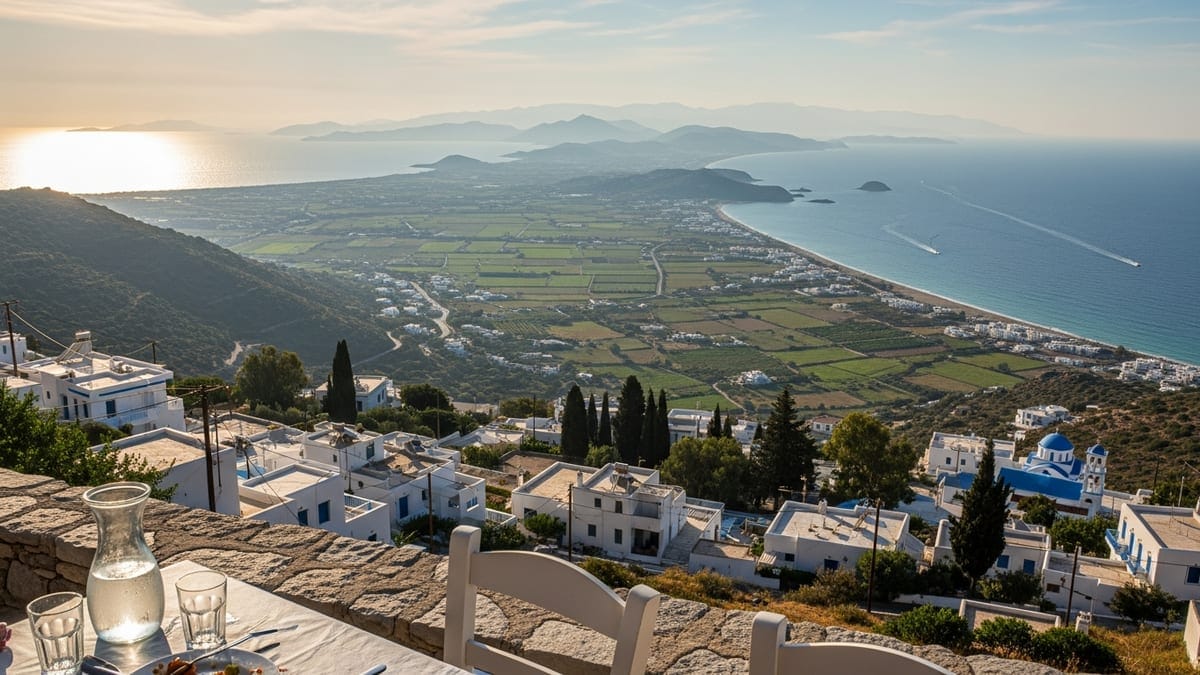
For a change of pace, head inland to villages such as Zia, an old settlement perched on the slopes of Mount Dikeos. Zia attracts visitors for its dramatic sunsets, craft shops and tavernas with panoramic terraces, but also serves as a gateway to hiking paths that climb to the summit of Dikeos, the island’s highest point.
The trail is moderately challenging and best tackled in the cooler months or early in the day, but the reward is a sweeping 360-degree view over Kos and the surrounding Aegean. Other villages, including Pyli and Antimachia, feature traditional houses, small museums and remnants of medieval castles.
Beaches and Coastal Experiences
Beach life is one of Kos’s biggest draws. Much of the northern coast from Kos Town west toward Tigaki and Marmari consists of long, sandy stretches backed by dunes, fields and resorts.
These beaches are easy to reach, often with shallow waters that suit families, but they can be affected by the Meltemi, creating waves and a lively atmosphere ideal for windsurfing or kitesurfing. Sunbeds, umbrellas and water sports centers are common, and cycling from Kos Town to nearby beaches is a pleasant option on dedicated bike paths.
The southern coastline generally offers more sheltered waters and a sequence of notable beaches. Kardamena’s town beach is lively and well serviced, while further west you reach the broad sands of Paradise Beach and neighboring coves collectively known for soft sand and clear, turquoise water.
These southern beaches are popular day-trip targets, and in high season you will find tavernas, beach bars and rental facilities in full operation. For those who prefer a quieter patch of sand, walking a little away from main access points often yields more space.
At the southwestern tip, around Kefalos and Kamari Bay, the coastline curves into a more rugged yet still very accessible setting. Here, smaller beaches alternate with rocky outcrops and views across to nearby islets. Agios Stefanos is particularly photogenic, with the ruins of early Christian basilicas on the shore and the tiny island of Kastri just offshore.
Boat trips and kayak rentals sometimes allow visitors to circle the islet and visit its chapel. This area has a more laid-back feel than some northern or eastern resort strips, with family-run pensions and low-key seaside tavernas.
Beyond swimming and sunbathing, Kos’s coast offers numerous opportunities for boat-based exploration. Day cruises depart Kos Town and some resorts for nearby islands such as Nisyros, with its volcanic crater, and Pserimos, a tiny, sleepy island with sandy beaches.
Other excursions focus on snorkeling spots, coastal caves or sunset sailing. If you prefer independence, renting a small motorboat without a license is possible from several marinas, usually with a safety briefing and clear guidelines about where you can and cannot go, making it easy to find your own cove for a few hours.
Food, Drink and Nightlife
Cuisine on Kos reflects wider Greek culinary traditions with some local twists and influences from nearby Turkey and the broader eastern Mediterranean. Expect tavernas serving grilled fish, octopus, calamari, and meat dishes such as souvlaki and lamb chops, alongside meze plates of dips, vegetables and cheeses.
Kos is known for its tomatoes, grapes and other produce grown on the island’s plains, and many family-run restaurants emphasize home-style cooking and seasonal ingredients. It is worth seeking out local specialties such as goat dishes in mountain villages, fresh catch at harbor-side tavernas, and simple yet memorable desserts starring local honey and yogurt.
In Kos Town, the dining scene ranges from traditional tavernas in backstreets to modern restaurants on the waterfront. Here you will also find bakeries offering koulouri rings, bougatsa pastries and other baked treats, along with cafes serving strong Greek coffee and iced frappes.
In resort areas like Kardamena and Tigaki, international menus sit alongside Greek options, catering to a broad cross section of visitors. Vegetarian and vegan choices are increasingly common, particularly in more contemporary venues and hotel restaurants, though it is always useful to ask about ingredients, especially in slow-cooked dishes.
Nightlife is most concentrated in Kos Town and Kardamena. Kos Town has a well-known bar street with venues that range from laid-back cocktail lounges to lively clubs with DJs, as well as more relaxed cafe-bars on the harbor. Kardamena is known for a younger nightlife scene with late-opening bars and dance spots in high season.
Elsewhere on the island, evenings are commonly spent in tavernas, beach bars or hotel lounges, with music and conversation rather than full-scale clubbing. During peak summer, beach parties, live music nights and cultural performances are common, so ask locally what is on during your stay.
If you prefer quieter evenings centered on food and local atmosphere, consider staying in or near villages such as Zia, Kefalos or smaller stretches of coast away from major resort centers.
Many visitors choose a mix: taking an occasional evening in Kos Town for a more urban buzz, while spending the rest of their nights in more tranquil surroundings. As always, particularly in busy summer months, it pays to reserve popular restaurants in advance, especially those with sea views or rooftop terraces.
Practicalities: Getting There, Getting Around and Staying Safe
Kos is served by Kos Island International Airport, which welcomes seasonal direct flights from many European cities between roughly April and October, alongside domestic flights from Athens and sometimes other Greek hubs. In peak months, there can be several international arrivals a day, so allow extra time for airport formalities and baggage collection.
Taxis and pre-booked transfers are readily available, and some hotels provide shuttle services. Outside high season, flight options decrease, making it important to check schedules and allow for possible connections via Athens.
Ferry connections link Kos to other Dodecanese islands, the port of Piraeus near Athens and occasionally to neighboring Turkey, subject to current regulations and seasonal demand. Schedules vary throughout the year, and services are more frequent in summer.
The Aegean’s summer winds can occasionally disrupt sailings, so it is wise to build a buffer into your itinerary when connecting ferries with flights. Ferry operators and local ticket agencies in Kos Town can provide up-to-date information and advise on any weather-related disruptions.
Once on the island, transport options include public buses, taxis, rental cars, motorbikes, scooters and bicycles. The bus network connects Kos Town with major resorts, the airport and significant villages, but services may be less frequent in the evenings or off-season.
Renting a car offers the greatest flexibility and is particularly useful if you want to explore remote beaches or interior villages. Road conditions on main routes are generally good, though narrow lanes and occasional livestock require attentive driving. Helmets are mandatory for scooters and motorbikes, and police sometimes carry out checks, especially during summer.
In terms of safety, Kos is generally considered a safe destination with low rates of serious crime affecting tourists. As in any popular resort area, standard precautions apply: keep an eye on personal belongings, do not leave items unattended on the beach and be cautious with drinks in crowded nightlife spots. Summer heat is a more common risk than crime.
High temperatures and strong sun mean that sunscreen, hats, light clothing and plenty of water are essential, particularly if you are hiking, cycling or spending prolonged hours on the beach. On rocky shores, water shoes can help prevent sea urchin stings, and it is sensible to heed local advice about jellyfish or any temporary swimming hazards.
Culture, Events and Responsible Travel
Beneath its relaxed holiday atmosphere, Kos retains strong local traditions and a calendar of festivals that can add depth to your visit. Summer cultural events often include music concerts, theater performances and art exhibitions, particularly in Kos Town and some larger villages.
Religious celebrations and panigyria, or village feasts tied to saints’ days, feature processions, live music, dancing and generous food, providing a glimpse of community life beyond the tourist trail. Events vary year by year, so checking locally or with your accommodation for current listings is helpful.
The island’s architectural landscape reflects layers of its past. Ottoman-era mosques such as the Defterdar Mosque in Kos Town stand near Italianate buildings from the early 20th century and fragments of ancient temples. Earthquakes over the decades, including a strong one in 2017, have damaged some structures, but restoration and stabilization work continues.
Visitors can support preservation efforts indirectly by visiting museums and cultural sites that charge modest entry fees, which help fund maintenance and archaeological work.
As visitor numbers grow, the importance of traveling responsibly on Kos increases. Simple actions make a difference: using refillable water bottles where possible, avoiding unnecessary single-use plastics, and respecting beach environments by not leaving litter or disturbing dune systems.
In rural areas, staying on marked paths helps protect fragile vegetation and reduces erosion. At archaeological sites, following signage, not climbing on ruins and avoiding the removal of stones or pottery fragments helps safeguard heritage for future generations.
Engaging with local businesses also supports the island’s economy more broadly. Opting for locally run accommodations, dining in family-owned tavernas and buying crafts directly from artisans in villages such as Zia and Pyli spreads tourism income beyond the main resort strips.
Learning a few basic Greek phrases, greeting staff and shopkeepers politely and observing local customs in churches and religious spaces also contributes to a more respectful and rewarding exchange between visitors and residents.
The Takeaway
Kos blends many of the elements that make the Greek islands so enduringly appealing: reliable sunshine, long beaches, a walkable harbor town, layers of history and a network of small villages each with their own character.
It is an island where you can spend one day cycling between beach bars and the next exploring Roman mosaics or hiking up a mountain. Thoughtful timing, a little advance planning and a willingness to go beyond the main resort strips will reward you with a richer experience.
Whether you are drawn by Hippocrates and ancient sanctuaries, the promise of warm, shallow seas for family swimming, the buzz of Kos Town’s bars or the quiet of a sunset taverna in Kefalos, the island offers enough variety to satisfy a wide spectrum of travelers. By understanding its seasons, geography and local rhythms before you go, you can shape a trip that feels less like a generic beach holiday and more like a personal exploration of a distinctive Aegean island.
FAQ
Q1: How many days do I need on Kos to see the main sights?
Most visitors find that 4 to 5 full days is enough to see Kos Town, the Asklepion, a few key beaches and one or two villages, especially if you rent a car or scooter. If you want to add hikes, boat trips to nearby islands or more relaxed beach days, a week or longer allows you to explore without rushing.
Q2: What is the best time of year to visit Kos for beach weather without extreme heat?
Late May, June and September usually offer a balance of warm temperatures, long daylight hours and pleasant sea conditions without the peak heat and crowds of July and August. These shoulder months are ideal if you want reliable beach weather but also plan to walk, hike or sightsee during the day.
Q3: Is Kos a good choice for families with young children?
Kos is popular with families thanks to its many gently shelving sandy beaches, calm stretches of water on the south coast, wide range of family-friendly hotels and relatively short driving distances around the island. Choosing accommodation near a child-safe beach and visiting main sights early or late in the day can make a family trip smoother.
Q4: Do I need a car to get around Kos?
You can see a fair amount of Kos using buses, taxis and organized excursions, especially if you stay in or near Kos Town or one of the larger resorts. However, renting a car for at least a couple of days greatly increases your flexibility, allowing you to reach quieter beaches, interior villages and viewpoints at your own pace.
Q5: How expensive is Kos compared with other Greek islands?
Prices on Kos generally sit in the mid-range for Greece. You can find both budget-friendly rooms and high-end resorts, while dining costs vary from inexpensive gyro and souvlaki stalls to more upscale waterfront restaurants. Visiting in shoulder seasons, booking flights and accommodation early and choosing a mix of simple tavernas and self-catering meals can help keep costs reasonable.
Q6: Can I combine a trip to Kos with visits to other islands?
Yes, Kos is well placed for island-hopping in the Dodecanese. Ferries and day boats connect it with islands such as Nisyros, Kalymnos and Pserimos, and there are longer routes to Rhodes and other Aegean destinations. In summer, frequent services make it relatively easy to design a multi-island itinerary, though it is wise to allow for possible weather-related changes.
Q7: Is the tap water safe to drink on Kos?
Tap water on Kos is treated and generally considered safe, but many locals and visitors prefer bottled or filtered water, particularly in some rural areas where the taste can be mineral-heavy. Carrying a refillable bottle and topping up from reliable sources, including your hotel if they advise it is fine, helps reduce plastic waste.
Q8: What should I pack for a summer trip to Kos?
For summer, focus on light, breathable clothing, swimwear, a wide-brimmed hat, sunglasses and high-SPF sunscreen. Comfortable walking shoes or sandals are useful for exploring towns and villages, while sturdier footwear is recommended if you plan to hike. A light layer for breezy evenings, a reusable water bottle and any personal medications should also be on your list.
Q9: Are there dress codes for visiting churches and monasteries on Kos?
While dress codes are usually not strictly enforced, it is respectful to wear modest clothing when entering churches or monasteries. This typically means covering shoulders and avoiding very short shorts or skirts. Carrying a light scarf or shawl makes it easy to adjust your outfit when you decide to step into a religious site.
Q10: Is Kos suitable for travelers who want a quieter, more laid-back holiday?
Despite its lively resorts and nightlife hubs, Kos has plenty of quieter corners. Areas around Kefalos, sections of the northern coast away from big hotels and interior villages such as Zia or Pyli provide a more tranquil atmosphere. Visiting outside the peak of July and August and choosing smaller, family-run accommodations can help ensure a restful, less crowded experience.