

More news on this day
Travel disruption in and out of Kuwait continues to escalate as Kuwait Airways and regional carrier Gulf Falcon cancel five key flights, cutting links to Geneva, New York, Bahrain and other major destinations and leaving passengers scrambling for alternative routes.
Get the latest news straight to your inbox!
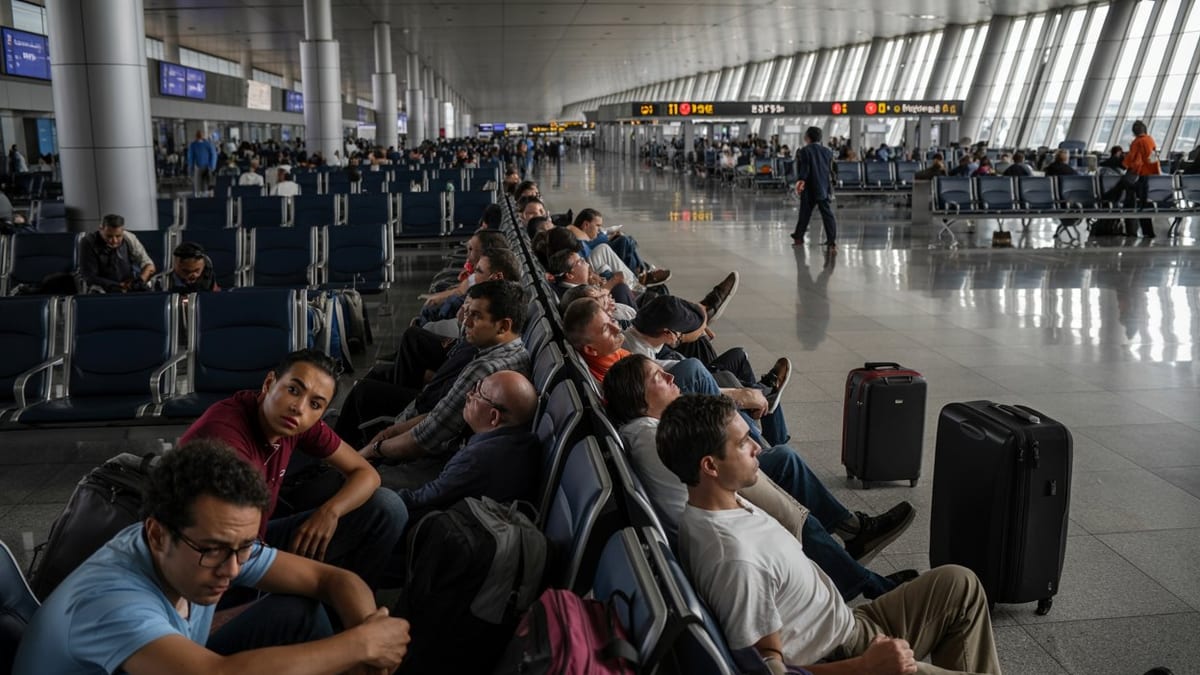
Image by Travel And Tour World
Latest Cancellations Hit High Profile Routes
The newest round of schedule changes centers on a cluster of long haul and short haul flights that would normally serve as vital bridges between Kuwait and Europe, North America and the Gulf. Publicly available information shows Kuwait Airways suspending selected services on its Kuwait Geneva and Kuwait New York routes, while Gulf Falcon has withdrawn several regional flights including rotations to Bahrain.
Operational data and timetable updates indicate that at least five individual flights across both airlines have been pulled from upcoming rotations, with some passengers notified less than 48 hours before departure. In several cases, online booking systems continue to show flights as “scheduled” even as travelers report receiving separate cancellation messages or refund offers.
The cancellations come on top of earlier suspensions driven by airspace restrictions and security concerns across the wider Gulf. Industry tracking suggests that carriers in the region have already removed hundreds of flights since late February, and the latest Kuwait focused moves underscore how fragile the recovery of normal traffic remains.
For travelers, the immediate consequence is a sudden loss of non stop options from Kuwait to major hubs such as Geneva and New York, as well as tighter capacity on short haul sectors traditionally used as feeders to longer international journeys.
Security Tensions And Airspace Limits Still Weigh On Operations
The new wave of cancellations is unfolding against the backdrop of continuing security tensions and complex airspace restrictions linked to the ongoing conflict involving Iran and several Gulf states. Published coverage by regional and international outlets notes that missile and drone threats have prompted temporary airport closures, fuel supply interruptions and rerouting of overflights around sensitive zones.
Kuwait International Airport has been particularly exposed to this volatility, with earlier disruptions caused by damage to aviation infrastructure and short term suspensions of commercial traffic. Even as some operations have gradually resumed, airlines remain cautious about ramping up schedules too quickly amid warnings of potential further instability.
For carriers like Kuwait Airways and Gulf Falcon, this environment creates a narrow operating margin. Any renewed spike in security alerts, shifting no fly areas or air traffic control restrictions can quickly make certain long haul routes or specific departure times unviable, leading to last minute flight removals. Industry analysts note that long sectors to destinations such as New York, which require carefully planned routings and substantial fuel loads, are among the most vulnerable to these constraints.
Regional flights into and out of Bahrain are also affected, as the kingdom’s airspace and main hub remain under intermittent pressure tied to wider Gulf airspace management. Gulf Falcon’s decision to cancel additional Kuwait Bahrain rotations reflects this uncertainty and further narrows the options for passengers using Bahrain as an onward connection point.
Passengers Confront Unclear Timelines And Patchy Communication
While the operational reasons behind the cancellations are widely acknowledged, travelers face persistent frustration over how the changes are being communicated and managed. Public postings on travel forums and social media platforms describe passengers struggling to obtain clear confirmation on whether flights in early April will operate, with some reporting that call centers provide only generic references to regulatory guidelines.
Several accounts describe Kuwait Airways flights to London and New York that were initially listed as confirmed in online systems before being canceled closer to departure, leaving limited time to arrange alternative travel. Similar experiences are being reported by Gulf Falcon customers booked on regional sectors, including routes to Bahrain that serve as key links for business and family travel.
According to airline notices and customer advisories shared online, affected passengers are generally being offered refunds or the option to rebook on later services, although processing times for refunds can extend to several weeks. With seat availability tight on competing carriers that are still operating limited schedules, rebooking is not always straightforward, particularly for travelers with fixed onward connections in Europe or North America.
Travel industry commentators point out that the cascading nature of schedule changes makes it difficult for passengers to plan confidently. Even when an airline publishes a revised timetable, subsequent shifts in regional airspace rules or fuel logistics can force another round of cancellations, meaning that today’s confirmed flight may yet be pulled from the schedule.
Knock On Effects For Global Connections Via Kuwait
The cancellations by Kuwait Airways and Gulf Falcon are having a wider impact beyond the immediate point to point markets they serve. Kuwait has long functioned as a secondary hub linking South and Southeast Asia with Europe and North America, particularly for cost conscious travelers prepared to connect through the Gulf instead of flying nonstop.
With key flights to Geneva, New York and Bahrain now off the board, travelers transiting through Kuwait find their options sharply narrowed. Some itineraries that relied on tight connections are no longer feasible, forcing rerouting through alternative hubs in Saudi Arabia or other Gulf states that still have capacity and open airspace.
Tourism bodies and corporate travel managers monitoring the situation warn that the erosion of Kuwait’s hub connectivity could have lingering repercussions if disruptions extend further into the summer season. Airlines may need to rethink their network planning and partnerships, while travelers who experience repeated cancellations may be reluctant to rely on Kuwait based connections in the near term.
For now, publicly available industry data suggests that both Kuwait Airways and Gulf Falcon are prioritizing core regional and medium haul services that can be operated reliably within the current constraints. Long haul flights that cross multiple airspace zones or depend on complex refueling arrangements remain the most exposed to further cuts or rolling suspensions.
What Travelers Should Watch In The Coming Days
In the short term, travel experts recommend that passengers with upcoming bookings involving Kuwait carefully monitor airline announcements and airport status updates, particularly if their itinerary includes Geneva, New York, Bahrain or other destinations already listed in recent cancellations. Same day checks before leaving for the airport are considered essential, given how quickly conditions can change.
Flexible planning is also becoming a key strategy. Where possible, travelers are being advised to hold fully refundable or changeable fares, maintain backup route options via alternative hubs, and ensure that accommodation and ground transport at the destination can be adjusted if flights are delayed or canceled.
Insurers and consumer groups emphasize the importance of reading the fine print on travel insurance policies, as coverage for war related disruptions, airspace closures or government travel advisories can vary widely. Some policies may exclude events linked to declared conflicts, while others offer broader protection that can help offset the cost of last minute rebooking.
Looking ahead, the trajectory of regional tensions and the pace of infrastructure repairs at key Gulf airports will be decisive in determining when Kuwait’s flight operations stabilize. Until there is a sustained period of calm and consistent airspace access, passengers using Kuwait Airways, Gulf Falcon and other carriers in the region should be prepared for further short notice schedule changes and plan their journeys with an extra margin of caution.