

More news on this day
Travelers transiting through Kuwait are facing another wave of turbulence as Kuwait Airways and Gulf Air cancel a cluster of high-demand flights, cutting key links to New York, Amsterdam, Geneva, Bahrain and other major hubs just as passengers hoped regional skies were stabilizing.
Get the latest news straight to your inbox!
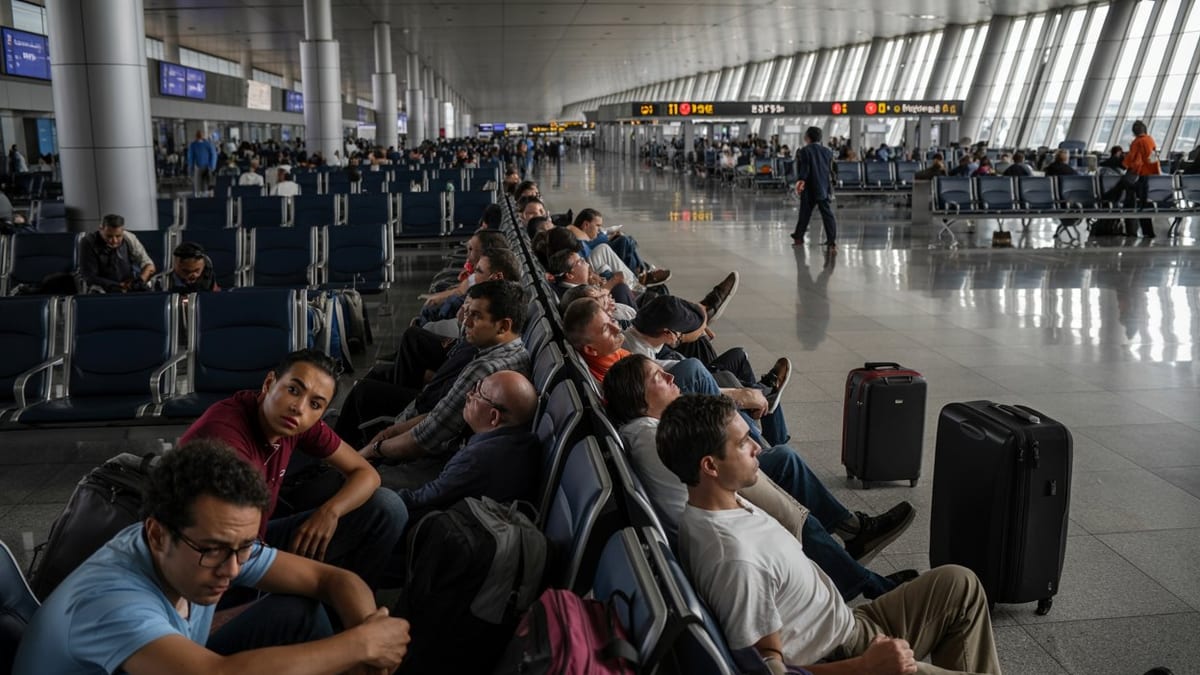
Image by Travel And Tour World
Six High-Profile Routes Suddenly Removed
Publicly available schedules and regional media reports indicate that Kuwait Airways and Gulf Air have withdrawn at least six prominent flights serving long-haul and regional corridors. The affected routes include services connecting travelers from Kuwait and Bahrain to New York, Amsterdam, Geneva and neighboring Gulf gateways. These links are critical for passengers using Kuwait and Bahrain as stepping-stone hubs between Asia, Europe and North America.
The cancellations come on top of a broader shutdown of regular traffic at Kuwait International Airport following recent strikes on infrastructure and extended airspace closures. While some carriers have tried to preserve skeleton operations or reroute via secondary airports in Saudi Arabia, the removal of these specific Kuwait Airways and Gulf Air flights further narrows already-limited options for onward travel.
Flight-tracking summaries and airline advisories show that some of the scrapped services were among the few remaining long-haul departures that connected Gulf travelers to transatlantic and European banking, diplomatic and tourism centers. With New York, Amsterdam and Geneva all affected, business travelers, students and residents returning home now face complex detours or extended stays in the region.
The latest changes also carry symbolic weight for the region’s role in global aviation. Kuwait Airways and Gulf Air have both positioned themselves as vital connectors between East and West, and the suspension of marquee routes to landmark cities underscores how deeply the current Gulf security crisis is reshaping air traffic patterns.
Knock-On Disruptions for Transit Passengers
For many travelers, Kuwait and Bahrain are not the final destination but an essential midpoint between South and Southeast Asia, Africa and Europe or North America. The cancellation of Kuwait Airways and Gulf Air flights now leaves some itineraries broken in the middle, with connecting passengers discovering just days before departure that one leg of their journey has vanished from the timetable.
According to published coverage and traveler accounts, some itineraries that previously routed efficiently through Kuwait or Bahrain must now be rebooked via alternative hubs such as Dubai, Doha or Riyadh, where capacity is strained by the broader regional disruption. The result is a sharp rise in multi-stop journeys, longer total travel times and higher prices on the limited remaining seats.
Stranded travelers passing through the Gulf also face the practical challenges of visa rules, accommodation costs and rapidly changing airline policies. Travel advisories highlight that visa extensions and grace measures have been introduced in several Gulf states for passengers unable to exit as planned, but implementation varies by country and can change quickly, leaving passengers to navigate shifting requirements in real time.
For those still holding tickets on affected airlines, the situation is fluid. Refunds and rebooking options are available in many cases, but processing times may be lengthy, and travelers report difficulties reaching call centers or securing prompt responses through digital channels as carriers handle an unprecedented volume of change requests.
Airlines Pivot to Workarounds and Alternative Hubs
The removal of direct flights has also accelerated a wider operational pivot across the region. Airline and airport data show some carriers temporarily shifting operations to secondary airports outside the most affected airspace, using overland transfers to bridge the gap back to Kuwait and Bahrain. This workaround can preserve a partial flow of passengers, but it adds several hours of road travel and complicates baggage handling and connection guarantees.
Kuwait-based travelers, for example, may find themselves routed via airports in neighboring Saudi Arabia, with buses or private transfers completing the final leg. Gulf Air has followed a similar model from Bahrain by channeling some operations through Dammam, reflecting how the crisis is redrawing the map of practical transit points in the northern Gulf.
At the same time, major long-haul players are recalibrating their networks in response to airspace restrictions, rising fuel costs and shifting demand. Condensed schedules, altered flight paths that avoid contested corridors and the suspension of selected destinations are all part of a broader attempt to maintain essential connectivity while minimizing exposure to risk and operational uncertainty.
For Kuwait Airways and Gulf Air, the cancellation of high-profile flights to New York, Amsterdam and Geneva reflects not only immediate safety and logistical concerns but also strategic choices about where limited resources can be deployed most effectively until regional conditions stabilize.
What Current and Future Travelers Need to Know
For travelers with upcoming trips touching Kuwait or Bahrain, the primary message from publicly available advisories and airline updates is to treat any existing itinerary as subject to change at short notice. Even confirmed tickets on unaffected days can be reshuffled as carriers continue to adjust schedules in response to evolving security assessments and airspace permissions.
Passengers are widely advised to monitor booking details directly through airline apps or websites, rather than relying solely on third-party travel agents or older confirmation emails. Many airlines in the region are issuing rolling updates, with some cancellations appearing only a few days before departure as operational scenarios become clearer.
Given the latest Kuwait Airways and Gulf Air changes, travelers may also wish to build in additional time between connections, particularly if their route still passes through Kuwait, Bahrain or nearby hubs that are operating with constrained capacity. Longer connection windows can offer a buffer if inbound flights are rerouted or delayed due to congestion along alternative flight paths.
Travel insurance and flexible booking policies take on heightened importance in this environment. Policies that cover missed connections, last-minute cancellations and extended hotel stays can help offset the financial impact of disruptions, although coverage varies by provider and may include specific exclusions related to conflict or government-imposed airspace closures.
Prospects for Stabilization Remain Uncertain
While some regional hubs have begun to restore limited operations, expert commentary and data from aviation analysts suggest that a rapid return to pre-crisis flight patterns is unlikely. The removal of Kuwait Airways and Gulf Air services on six key routes underlines how airlines are planning for a protracted period of volatility rather than a brief interruption.
Forward schedules released by carriers and booking platforms show trimmed frequencies across many long-haul markets for the coming weeks, even where flights have not been fully suspended. This indicates a cautious approach, with airlines preserving flexibility to add capacity back only when airspace stability and demand are more predictable.
For travelers, that means the near-term outlook from Kuwait and Bahrain involves a patchwork of temporary solutions, detours through alternative hubs and a continued risk of late changes. Those planning new trips are being encouraged by travel advisers and industry commentary to favor flexible tickets, keep itineraries as simple as possible and remain ready to adapt plans if new cancellations emerge.
Until security conditions in the wider Gulf region improve and regulators signal a sustained reopening of key air corridors, Kuwait Airways and Gulf Air are likely to maintain a reduced and reshaped network. For now, passengers hoping to reach or transit through New York, Amsterdam, Geneva and neighboring Gulf capitals must brace for a more complicated and less predictable journey than they were accustomed to before the current crisis.