

More news on this day
New York’s already strained air travel system faced another jolt today as LaGuardia Airport recorded 386 delayed flights and 11 cancellations, disrupting plans for hundreds of US passengers across major carriers including United Airlines, Air Canada and regional operator Republic Airways.
Get the latest news straight to your inbox!
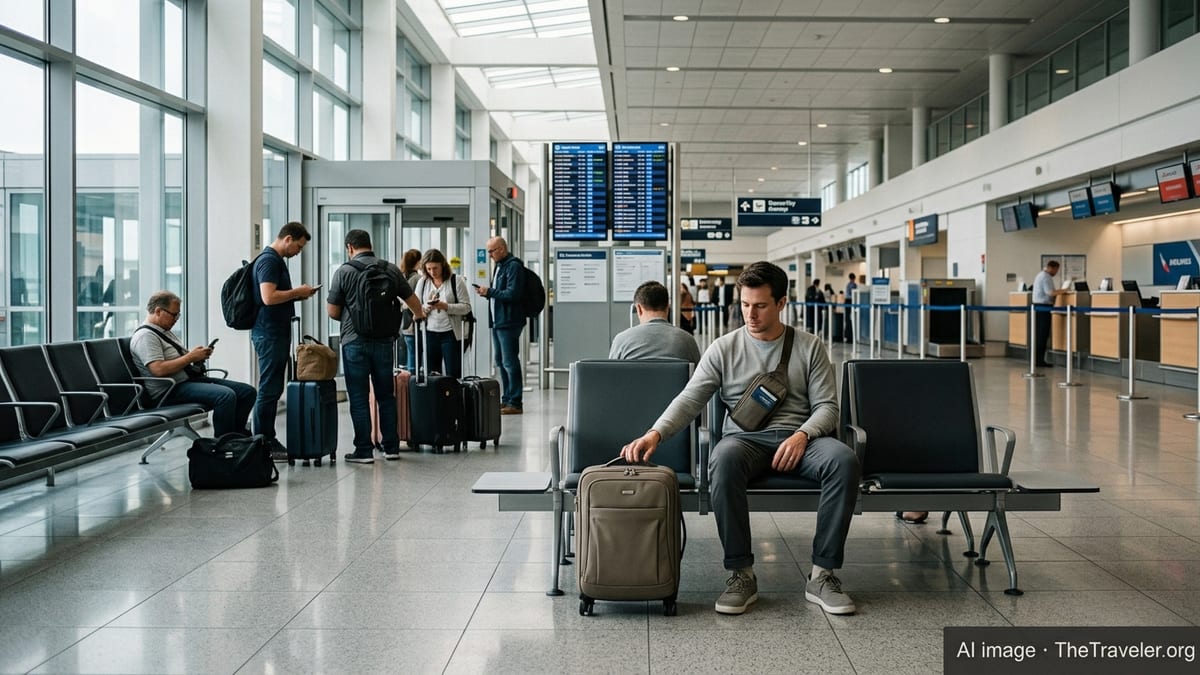
Fresh Wave of Disruptions Hits Key New York Gateway
The new round of delays and cancellations at LaGuardia comes on the heels of a deadly runway collision involving an Air Canada Express flight and an airport fire vehicle on March 23, an incident that temporarily shut the airport and triggered days of schedule knock-on effects across airline networks. Publicly available information from federal aviation updates shows LaGuardia only recently restored full runway capacity, yet remains one of the most delay prone airports in the United States.
Data compiled by aviation tracking services and industry news outlets indicates that LaGuardia is again ranking among the country’s top disruption hotspots, with today’s total of 386 delays and 11 cancellations concentrated among United Airlines, Air Canada, Republic Airways and several other carriers. Although the majority of flights are still departing, the pattern of rolling hold times and late arrivals is creating a ripple effect across hub cities such as Chicago, Toronto and regional US markets.
Federal aviation status reports list LaGuardia under a ground delay program, with average holds approaching an hour for arriving aircraft as of late morning. That congestion at the arrival banks can quickly spill into departure schedules, complicating crew rotations, aircraft availability and onward connections for passengers on multi leg itineraries.
United, Air Canada and Republic Airways Carry the Brunt
Breakdowns of today’s operations published by travel industry monitors show United Airlines among the hardest hit, with a cluster of cancellations and a notable share of its LaGuardia schedule running behind time. United’s delays are particularly significant on routes linking New York with Chicago and other Midwest and East Coast cities, compounding a wider pattern of operational strain seen across its US network in recent days.
Air Canada’s New York operation, which relies heavily on the busy LaGuardia to Toronto and Montreal corridors, is also facing disruptions, with a combination of cancellations and late running services. The carrier’s presence at LaGuardia has been under increased scrutiny since last week’s fatal collision involving an Air Canada Express aircraft shortly after landing, an event that prompted safety investigations and further operational reviews.
Regional operator Republic Airways is experiencing some of the most severe schedule challenges today, with more than a hundred flights delayed in connection with LaGuardia focused operations. As a key regional partner for major US airlines, Republic’s difficulties can translate into missed connections and limited rebooking options for passengers, especially on smaller city pairs where alternative frequencies are scarce.
Additional carriers, including Delta Air Lines, Southwest, JetBlue, Spirit and others, are also reporting elevated delay levels out of LaGuardia, although in lower absolute numbers than United, Air Canada and Republic. The combined impact is a crowded departure board of late flights and extended waits at gates and taxiways.
Lingering Impact of Runway Collision and Weather Constraints
The continued instability at LaGuardia is tied in part to the runway collision that killed two pilots and injured dozens on March 23, which forced the closure of one of the airport’s two runways while investigators and recovery crews worked at the scene. Aviation authorities have stated that the damaged runway has since been repaired and cleared for full use, but the days of restricted capacity contributed to a large backlog of cancellations and diversions that carriers are still working to absorb.
Weather has added another layer of complication. Federal aviation status summaries for March 31 point to mostly cloudy conditions and a formal ground delay program in effect at LaGuardia, with average arrival delays nearing an hour. Even modest weather related restrictions can significantly affect an airport with tight runway capacity, as traffic managers meter inbound flights to maintain safety margins.
Industry analysts note that New York’s airspace is among the most congested in the world, and any temporary loss of runway capacity or introduction of delay programs can have outsize consequences. When that disruption is combined with a high profile safety investigation, carriers may also build additional buffer time into schedules or rotate aircraft differently, sometimes at the expense of punctuality in the short term.
Network Wide Shockwaves for US and Cross Border Travelers
LaGuardia’s difficulties are not confined to New York origin and destination travelers. Published coverage of recent disruption patterns across US airports shows repeated references to LaGuardia as a critical node in broader regional and national route maps. When flights into and out of the airport are delayed, the impact often reaches cities such as Chicago, Boston, Raleigh Durham, Toronto and others that depend on frequent connections through New York.
Travel industry reporting highlights that regional partners like Republic and Endeavor Air, as well as low cost and legacy carriers, have all seen elevated cancellation and delay levels tied to LaGuardia route structures in recent days. In some cases, aircraft and crews scheduled to operate onward segments from New York have arrived late or not at all, leading to rolling schedule adjustments at downline airports.
For cross border travelers between the United States and Canada, LaGuardia’s recurring issues can be particularly disruptive. Toronto and Montreal flights are often timed to connect with transcontinental or transatlantic departures, and a delay of even an hour can cause missed long haul links, forcing passengers into overnight stays or complex rerouting through alternate hubs.
What Passengers Can Expect in the Coming Days
With federal aviation updates continuing to list LaGuardia under arrival management programs and travel news outlets warning of ongoing schedule volatility, passengers planning to use the airport in the coming days are likely to face longer than normal journey times. Airlines are publicly advising customers to monitor their flight status closely through mobile apps and notifications, arrive early at the airport and be prepared for gate or time changes up to departure.
Consumer travel guidance suggests that passengers experiencing significant delays or cancellations should review their airline’s rebooking and compensation policies, which can vary by carrier, route and whether the disruption is deemed within the airline’s control. Some airlines are offering fee free changes for affected LaGuardia itineraries, while others are prioritizing same day standby and protection on alternate airports in the New York region where capacity allows.
For New York as a destination and departure point, the latest wave of disruption at LaGuardia underscores the city’s broader aviation dilemma. The airport remains a vital, conveniently located gateway for business and leisure travel, yet its limited runway infrastructure and susceptibility to operational shocks continue to challenge reliability. As investigations into the recent runway collision proceed and authorities refine traffic management programs, travelers may need to build extra resilience into their plans when LaGuardia is part of the journey.