

More news on this day
Passengers across the United States faced another difficult travel day as New York’s LaGuardia Airport registered 16 cancelled flights and 504 delays, triggering a fresh wave of disruption for Republic Airways, United Airlines, Southwest Airlines and other carriers on key routes to Atlanta, Dallas, Miami and additional domestic hubs.
Get the latest news straight to your inbox!
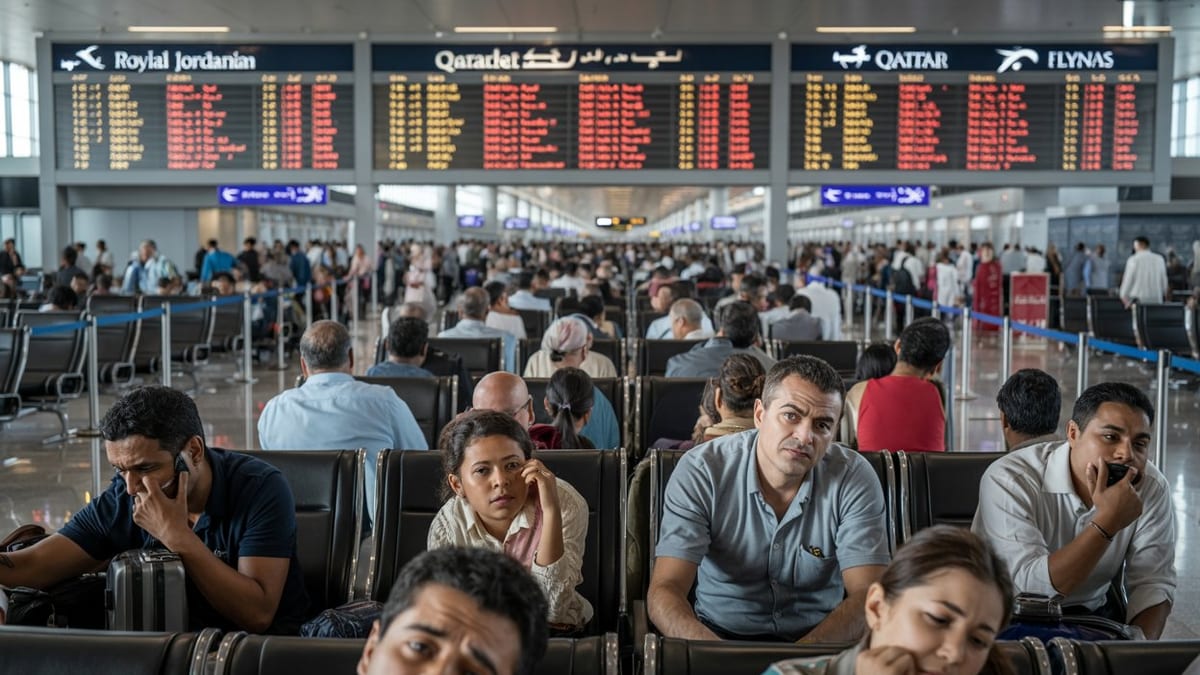
Ground Delays at LaGuardia Trigger Nationwide Disruptions
Publicly available tracking data for Tuesday, March 31, 2026, shows LaGuardia once again among the country’s most affected airports, with 16 cancellations and 504 delayed departures and arrivals. Those figures, while lower than the hundreds of outright cancellations seen during earlier March weather and safety events, still translated into extensive knock-on delays and missed connections across the national network.
The congestion at LaGuardia placed particular pressure on regional operations run for major carriers. Republic Airways, which operates flights on behalf of multiple large US airlines, featured prominently in the roster of delayed services, amplifying the impact for passengers who had booked with different brands but were ultimately relying on the same regional operator. United Airlines and Southwest Airlines also appeared among the most disrupted carriers, as their LaGuardia schedules fed into already strained national networks.
Published aviation analytics and media coverage indicate that the latest wave of delays comes on the heels of a difficult March for New York’s airports, and LaGuardia in particular. Earlier in the month, separate incidents and severe weather patterns led to far higher cancellation tallies, leaving airlines with limited slack in aircraft rotations and crew availability as they headed into the final days of the month.
Travel industry reports describe a system that is still recovering from earlier shocks, with even modest new constraints at LaGuardia quickly cascading into missed departure slots, extended turnaround times and increased ground congestion. The result on March 31 was a day dominated by late departures and arrivals rather than outright cancellations, but still marked by significant disruption for travelers.
Atlanta, Dallas, Miami Feel the Knock-On Effect
The disruption at LaGuardia did not remain a local problem. Flight-tracking snapshots and network analyses highlight ripple effects on busy corridors linking New York with Atlanta, Dallas and Miami, three of the most heavily trafficked hubs in the United States. These cities function as key connection points for domestic and international itineraries, meaning delays on LaGuardia-bound or LaGuardia-originating flights tended to propagate far beyond the initial route pair.
On the New York–Atlanta corridor, a combination of weather-related constraints this month and ongoing operational strain has left airlines with little tolerance for additional scheduling friction. When LaGuardia flights to and from Hartsfield-Jackson Atlanta International Airport ran late on March 31, many passengers found their onward departures affected, with some rebooked onto later services or rerouted via alternative hubs.
Similar patterns were observed on services touching Dallas and Miami. At Dallas Fort Worth International Airport, delays on LaGuardia-linked flights created pockets of congestion in afternoon and evening departure banks. In Miami, where carriers balance a complex mix of domestic, Caribbean and Latin American operations, late arrivals from LaGuardia forced last-minute gate and crew adjustments that rippled through the schedule well into the night.
Industry observers note that the impact of a few dozen heavily delayed flights between major hubs can be magnified when they intersect with peak periods and tight aircraft rotations. In this case, LaGuardia’s 504 delayed movements became a catalyst for broader timetable instability across several of the country’s most important connecting airports.
Regional Carriers Under Pressure as Major Airlines Absorb Delays
The day’s numbers underscore the central role of regional airlines in the US system and the way their performance can influence a wide range of branded carriers. Republic Airways, which flies under codes for American, Delta and United, appeared among the airlines facing the heaviest operational strain linked to LaGuardia on March 31. When Republic-operated flights encountered delay programs or extended ground holds in New York, the effect was registered across multiple airline customer bases simultaneously.
United Airlines and Southwest Airlines also recorded significant delay counts for the day in question, consistent with broader March patterns that have seen high volumes of late operations despite relatively modest cancellation rates. Public data shows that these mainline carriers often maintain low percentages of outright cancellations but face persistent schedule slippage when congested hubs such as LaGuardia encounter capacity constraints.
Aviation analysts point out that while regional affiliates like Republic are responsible for operating specific flights, their performance is tightly linked to slot availability, air traffic control programs and runway capacity at slot-controlled airports. At LaGuardia, where one runway has been intermittently unavailable following recent safety incidents and weather-related damage, even small further restrictions can leave regional operators with few options to recover on-time performance once delays begin to accumulate.
The result for travelers is an experience in which delays may be attributed to one airline brand, while the underlying causes lie in a complex matrix of contracted operations, airport infrastructure limitations and broader system-wide constraints. For passengers on March 31, that complexity translated into long waits at gates, missed connections and frequent last-minute gate or departure time changes.
Weather, Safety Incidents and Infrastructure Shape a Difficult March
The latest disruption at LaGuardia unfolded against a backdrop of repeated March challenges for the northeastern US. Earlier in the month, a major safety incident on the airport’s runway system temporarily shut the field and led to hundreds of cancellations in a single day, according to multiple news reports and aviation incident summaries. Separate winter weather events and a late-season storm system also contributed to rolling delays at airports across the region.
Infrastructure and capacity constraints have amplified the impact of those events. LaGuardia is a slot-controlled airport with limited runway capacity relative to its traffic levels, leaving it more vulnerable to ground delay programs when adverse weather, low visibility or operational restrictions reduce arrival and departure rates. Industry commentary suggests that any reduction in runway availability quickly forces regulators and traffic managers to meter arrivals, which can stretch individual delays into hours.
March’s combination of safety reviews, weather disruptions and continued high passenger demand has therefore created a challenging environment for airlines using LaGuardia as a gateway to the Northeast. Even on days with no major storms, residual impacts from earlier cancellations and aircraft repositioning can leave schedules fragile and slow to recover from new bottlenecks.
Travel data providers tracking performance throughout the month describe a pattern in which LaGuardia, along with nearby Newark and Boston, have cycled repeatedly between near-normal operations and heavy delays. The March 31 figures of 16 cancellations and 504 delays fit into that broader narrative of a system still working through accumulated stress.
What Travelers Can Expect in the Coming Days
While there is no indication of a long-term shutdown at LaGuardia, the scale of delays recorded on March 31 suggests that some residual disruption may continue into early April as airlines work to reposition aircraft and crews. Industry planners typically attempt to stabilize timetables within 24 to 48 hours of a major delay day, but the lingering effects of limited runway capacity and unsettled spring weather could prolong challenges for certain routes.
Travel advisories issued by major carriers in recent days have encouraged passengers flying through New York and other weather-sensitive hubs to monitor their itineraries closely, allow additional time at the airport and make use of rebooking tools when offered. Flexible travel policies have been applied intermittently throughout March in response to specific storms, infrastructure constraints and air traffic control programs.
For routes connecting LaGuardia with Atlanta, Dallas, Miami and other major hubs, aviation forecasters expect schedules to gradually normalize provided no new large-scale weather systems or safety incidents emerge in the immediate term. However, travelers during the busy early spring period may still encounter localized pockets of congestion and rolling delays as airlines rebuild resilience into their networks.
The experience of March 31 underlines how quickly isolated constraints at a single congested airport can transform into a nationwide challenge. For passengers, it also serves as a reminder that even relatively modest cancellation counts can mask a much larger story of systemic delay affecting flights across the United States.