

More news on this day
A cluster of cancellations involving LAN, LATAM and United Airlines is disrupting air travel in and out of Peru this week, with at least 14 flights reportedly affected on routes linking Lima with Cusco, Arequipa, Trujillo, Houston and other key hubs.
Get the latest news straight to your inbox!
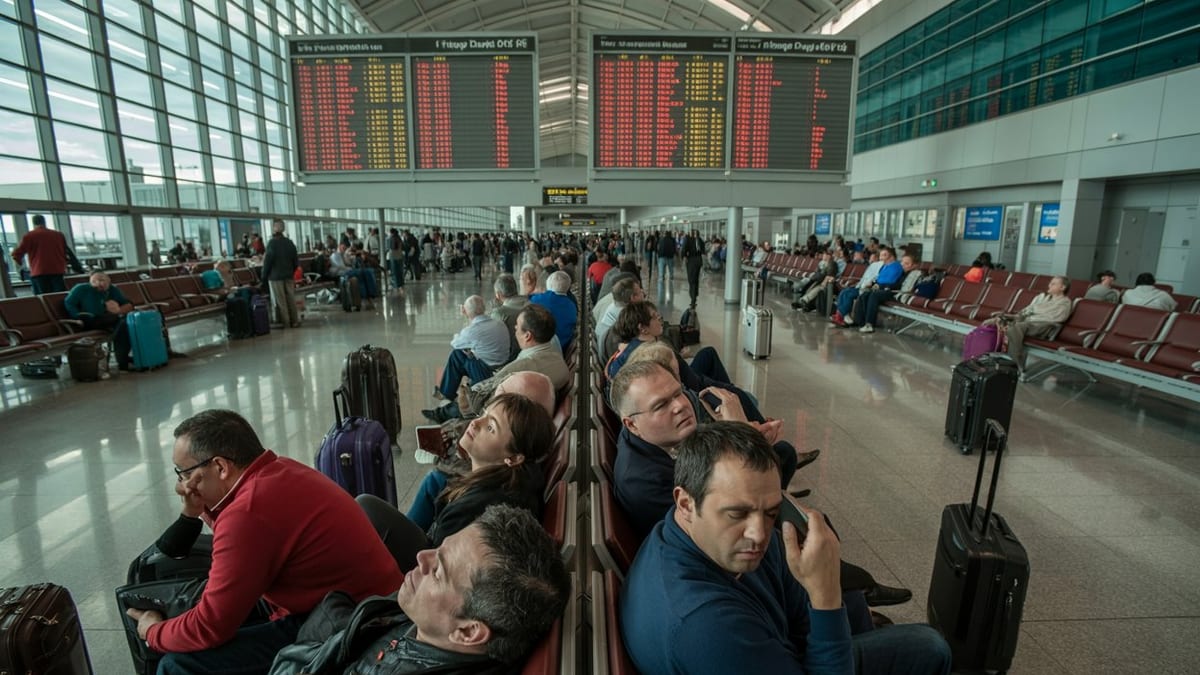
Image by Travel And Tour World
What We Know About the Latest Flight Disruptions
Publicly available flight-tracking data and airline schedule information indicate that multiple services operated by LATAM group carriers and United have been canceled or heavily modified over recent days on routes touching Peru. While day-to-day operational changes are common in the region, the current pattern has created an unusually concentrated impact on some of the country’s most important domestic and international corridors.
The disruptions appear to span a mix of short-haul domestic routes such as Lima to Cusco, Arequipa and Trujillo, along with at least one long-haul United connection between Lima and Houston. Travelers posting on airline and frequent-flyer forums in late March describe last-minute cancellations, schedule downgrades and missed connections, particularly for those using Lima as a transfer point to other South American or North American destinations.
Although exact totals vary by day and data source, available information suggests that around 14 flights tied to LAN, LATAM and United itineraries involving Peru have been canceled or removed from sale across a short window. That figure includes both outright cancellations and cases where flights were pulled and passengers rebooked on alternative services.
These adjustments come at a busy period for Peru’s aviation network, as the country continues to ramp up operations from the expanded facilities at Lima’s Jorge Chávez International Airport and as tourism to Cusco and southern Peru gradually recovers after previous years of disruption.
Routes Most Affected: Lima, Cusco, Arequipa, Trujillo and Houston
The most visible impact has been on routes radiating from Lima, the country’s primary hub. LATAM’s Peruvian unit normally operates dense schedules linking the capital with Cusco, Arequipa and Trujillo, routes that are heavily used by both international visitors and domestic travelers. When multiple frequencies on these corridors are cut or shifted within the same week, options for same-day rebooking narrow quickly, especially on peak travel days.
Reports from travelers show particular frustration on the Lima to Cusco corridor, which is critical for access to the Sacred Valley and Machu Picchu. Even a small number of cancellations on this high-demand route can result in significant crowding on the remaining flights and tight availability of alternative seats, especially in the morning and early afternoon departure banks.
On the international side, the Lima to Houston route, typically served by United, has seen at least one cancellation in the current cluster. This connection is a key link for travelers heading between Peru and the United States, offering onward access across North America. When a single long-haul departure is removed, affected passengers may face misaligned overnight connections, unexpected hotel stays, or rerouting through other U.S. gateways such as Miami or Dallas.
Secondary Peruvian cities such as Arequipa and Trujillo, while smaller than Lima or Cusco, also play an important role in domestic connectivity. Any thinning of frequencies on these routes can complicate regional business travel and time-sensitive trips for residents who rely on air links to the capital for medical, administrative or educational reasons.
Operational and Network Factors Behind the Cancellations
Public scheduling data, recent travel waivers, and airline communications across the industry suggest several overlapping factors that may be shaping the current pattern of cancellations. United has recently issued and extended travel waivers related to operations through Houston, indicating ongoing operational strain at that hub. When disruptions ripple through a large hub like Houston, downstream routes, including links to Lima, are often among the services that get consolidated or temporarily cut.
For LATAM and its Peruvian affiliates, the cancellations come as the group continues to fine-tune its post-pandemic network and align capacity with demand across South America. Open data on route changes from Lima show that LATAM has been actively adjusting its portfolio of destinations and frequencies, including seasonal and structural modifications on some regional links. In this context, short-notice cancellations can reflect a combination of aircraft availability, crew scheduling challenges, and the need to rebalance operations when demand or operating conditions change.
Peru’s broader infrastructure environment in early 2026 also adds complexity. The country is adapting to new energy and economic pressures, while simultaneously integrating expanded airport infrastructure in Lima. Even when airlines do not cite a single clear cause, these background conditions can make it harder to recover from typical day-of-operations disruptions such as weather, technical checks, or airspace constraints.
Because each carrier publishes limited detail about the cause of individual cancellations, it is often difficult for travelers to determine whether a given disruption stems from weather, operational constraints, or broader network redesign. However, the clustering of affected flights within a short timeframe suggests that this is more than an isolated aircraft issue, particularly where travel waivers and network adjustments are also visible.
How Travelers to and from Peru Can Navigate the Disruptions
For passengers holding tickets on LAN, LATAM or United to or from Peru in the coming days, the most important step is to monitor flight status frequently. Airline mobile apps and official communication channels generally update in real time when a flight is delayed, downgraded or canceled, and same-day rebooking options are often easier to secure for travelers who act as soon as a schedule change posts.
Travelers transiting Lima, especially those connecting to Cusco, Arequipa or Trujillo, may want to build in more generous layover times than usual. Recent traveler reports from Peru highlight that even with improved facilities, minimum connection times can feel tight when inbound flights arrive late or when domestic departures are consolidated. Allowing extra buffer reduces the risk that a single cancellation or delay will cascade into missed onward flights and lost hotel nights at key destinations.
Those flying between Lima and Houston on United should review any active travel waivers or flexible-change policies related to that hub. When formal waivers are in place, affected passengers are often able to switch to alternative dates or different routings without additional change fees, subject to seat availability. Even when a flight remains scheduled, some travelers may prefer to proactively move to less congested travel days if their plans are flexible.
Given the concentration of cancellations over a short window, travelers with time-sensitive itineraries, such as tours in Cusco or early-morning international connections out of Lima, may wish to consider contingency plans. These could include arriving in Lima at least one day before a major onward departure, or scheduling key excursions a day after arrival rather than immediately upon landing, to account for potential last-minute changes.
What to Watch in the Coming Days
As airlines update their schedules and operational plans into early April, observers will be watching closely to see whether cancellations involving Peru stabilize or continue at an elevated level. If the current cluster reflects short-term operational stress, the number of affected flights may taper off as aircraft and crews are repositioned and backlogs are cleared.
If, however, the pattern is linked to deeper network restructuring, some adjustments could become more permanent, especially on marginal or highly seasonal routes. Aviation data already show LATAM and partner carriers reshaping parts of their Lima network timetable for 2026, with certain South American destinations gaining or losing service or seeing updated operating days and aircraft types.
For now, the situation underscores how sensitive Peru’s air connectivity remains to shifts in a small number of key operators. With LATAM and United responsible for a significant share of both domestic and international capacity, even a set of fourteen cancellations concentrated over several days can create outsized disruption for tourists, business travelers and local residents alike.
Travelers planning upcoming journeys via Lima, Cusco, Arequipa, Trujillo and Houston should keep a close eye on their reservations and be prepared to adjust plans quickly if further changes emerge, particularly during busy holiday or vacation periods when alternative options can sell out rapidly.