

More news on this day
Behind the neon glow of the Las Vegas Strip, a quiet shift is emerging among first-time visitors, who are increasingly arriving with online casino habits that shape how, where and even whether they sit down at a real table.
Get the latest news straight to your inbox!
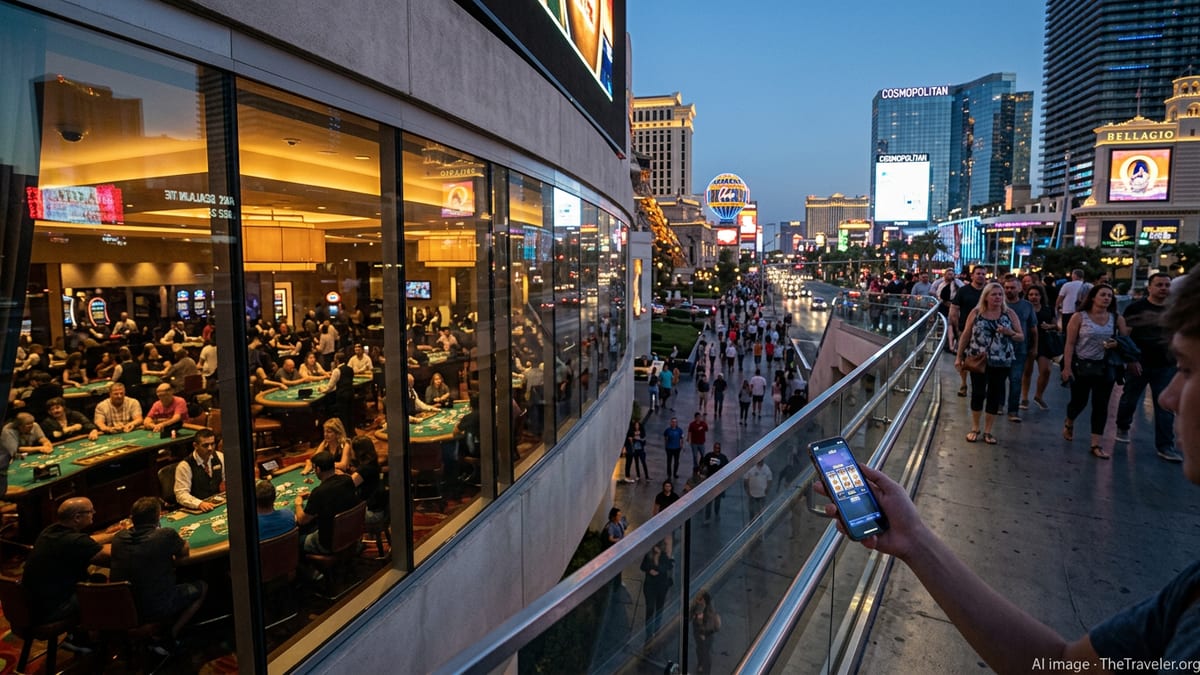
Digital Habits Arrive on the Strip
Recent visitor profile studies indicate that Las Vegas is welcoming fewer first-time visitors than in previous years, even as those who do make the trip continue to gamble at high rates. At the same time, industry and market research show that online casino gaming in the United States has expanded rapidly, with analysts valuing the national online gambling market in the tens of billions of dollars and projecting high single-digit annual growth in the years ahead. That dual track of rising digital revenue and more selective in-person visitation is reshaping expectations for what a first encounter with Las Vegas gaming looks like.
Publicly available surveys of Las Vegas visitors suggest that the average time spent gambling remains only a few hours per day, as travelers divide their budgets among shows, dining, shopping and sports. Yet many of those same travelers now have access to casino-style games in their pockets at home, where stakes can be adjusted instantly and promotions are tailored by algorithms. For some first-timers, the Las Vegas casino floor is no longer the first place they learn blackjack or roulette; it has become the place where they test skills and instincts honed on mobile platforms.
Analysts note that digital familiarity cuts both ways. On one hand, it lowers the threshold for new players, who may feel more comfortable approaching a physical table after practicing online. On the other, it can make the bright, noisy casino environment feel less essential for basic gameplay, encouraging visitors to be more selective about how much of their vacation they dedicate to gambling in person.
First-Time Visitors Play Differently
Data from recent Las Vegas visitor profile studies highlight a clear decline in the share of first-time visitors over the past several years, reaching some of the lowest levels in more than a decade. At the same time, a strong majority of visitors still report gambling during their stay, and average gambling budgets have edged up modestly. Industry commentators interpret this combination as evidence that Las Vegas is attracting more repeat visitors who know the environment well, while true newcomers tend to arrive better informed and more cautious than in the past.
For first-time players who have grown up with phones and streaming, the casino floor can feel as much like a live event as a place to wager. Observers report that many new visitors prefer to walk the floor, watch a few hands or spins and compare minimum bets before committing. Some will only buy in once they have confirmed that rules match what they have seen online, including blackjack payouts or side bet options. Others gravitate toward electronic table games and slots that resemble the interfaces they use on their laptops and mobile devices.
Industry analysis also points to a generational shift. Younger adults are described as valuing flexibility and control in their entertainment spending, traits that align closely with online platforms where limits, game speeds and bet sizes can be adjusted in seconds. When they arrive in Las Vegas, those same visitors often carry strict bankroll limits and time budgets, using casino play as one component of a broader trip rather than its sole focus.
The Rise of Online Casinos as a Parallel Destination
Across the United States, more states have authorized some form of online gambling, including casino-style games, poker and sports betting. Reports from research firms note that online casino revenue has grown faster in percentage terms than brick-and-mortar gaming, albeit from a smaller base. Analysts project that global online gambling revenue could more than double over the next decade if current trends continue, outpacing expected growth for land-based venues such as Las Vegas.
For prospective first-time visitors, these platforms function as a kind of digital Las Vegas, offering live-dealer tables, branded slot titles and real-time chat without the cost of airfare or resort fees. Marketing materials from major online operators emphasize convenience, loyalty rewards and the ability to play briefly during breaks in the day, contrasting that experience with the immersive commitment of a Strip vacation. As a result, many would-be Las Vegas first-timers now weigh a flight to Nevada against the alternative of enhancing their at-home setup with a larger online bankroll.
Publicly available information shows that this choice is not simply about cost. Online play allows for lower minimum bets and more granular control over session length, which appeals to budget-conscious or risk-averse players. At the same time, responsible gambling tools, including deposit limits and time reminders, are more visible and standardized in regulated online markets than on most casino floors, another factor that some new players say influences where they feel most comfortable starting.
Experience, Atmosphere and the Allure of the Real Table
Despite the strong growth of online platforms, Las Vegas casino operators continue to post record or near-record revenue figures, reflecting the enduring appeal of the in-person experience. Nevada gaming reports in recent years have documented all-time highs in statewide revenue, with the Las Vegas Strip remaining the single most significant contributor. Analysts attribute this resilience partly to the city’s success in broadening its appeal with concerts, sports, dining and nightlife, turning table games into one feature of a much larger entertainment package.
For first-time visitors, that package can tilt the calculation back toward real tables, at least for a portion of the trip. The tactile feel of chips, the sound of other players and the cues from a live dealer are elements that online platforms can simulate but not fully replicate. Observers note that many new players still seek at least one session at a classic game such as blackjack, craps or roulette, often treating it as a rite of passage that validates their Las Vegas experience.
There are trade-offs. Casino analysts and consumer advocates point out that minimum bets on many Strip tables have climbed in recent years, especially at peak times, which can make it more expensive for first-timers to test the waters. Some visitors respond by playing fewer hands but focusing on memorable moments, such as a single high-stakes spin or a carefully chosen session at a lower-limit property away from the main Strip. Others simply shift more of their wagering to online platforms before or after the trip, using Las Vegas primarily for the social aspect.
Las Vegas as Showcase, Online as Everyday Casino
As 2026 unfolds, the emerging pattern suggests a new division of roles between Las Vegas and online casinos in the minds of first-time players. Reports indicate that online platforms are increasingly becoming the everyday venue for small, frequent sessions, while Las Vegas serves as a periodic showcase where those same players test their luck on a larger stage. This pattern mirrors broader travel trends in which major destinations become aspirational set pieces rather than default, repeat getaways for casual activities.
For the Las Vegas tourism sector, the challenge will be to keep first-time visitors engaged enough to return, even if they only gamble briefly during their stay. That may mean continuing to integrate technology on the floor, expanding lower-limit or hybrid products that feel familiar to digital natives, and framing table games as part of a holistic experience that includes food, culture and live events. For online operators, the opportunity lies in positioning their platforms as both an entry point and an extension of the Las Vegas mystique, capturing players who crave the game but not always the trip.
What is emerging behind the city’s glitter is not a simple transfer of players from felt to screen, but a more complex loop between the two. First-time players are learning the language of casinos online, then deciding how much of that vocabulary they want to practice under the neon lights. In the process, Las Vegas is becoming less a classroom for gambling fundamentals and more a graduation ceremony for a generation that already knows how the games are played.