

More news on this day
Spring break crowds and tight airline schedules converged at Las Vegas’ Harry Reid International Airport this weekend, with flight-tracking data showing roughly 170 delays and at least one cancellation disrupting departures on major carriers serving cities such as Chicago, New York and Los Angeles.
Get the latest news straight to your inbox!
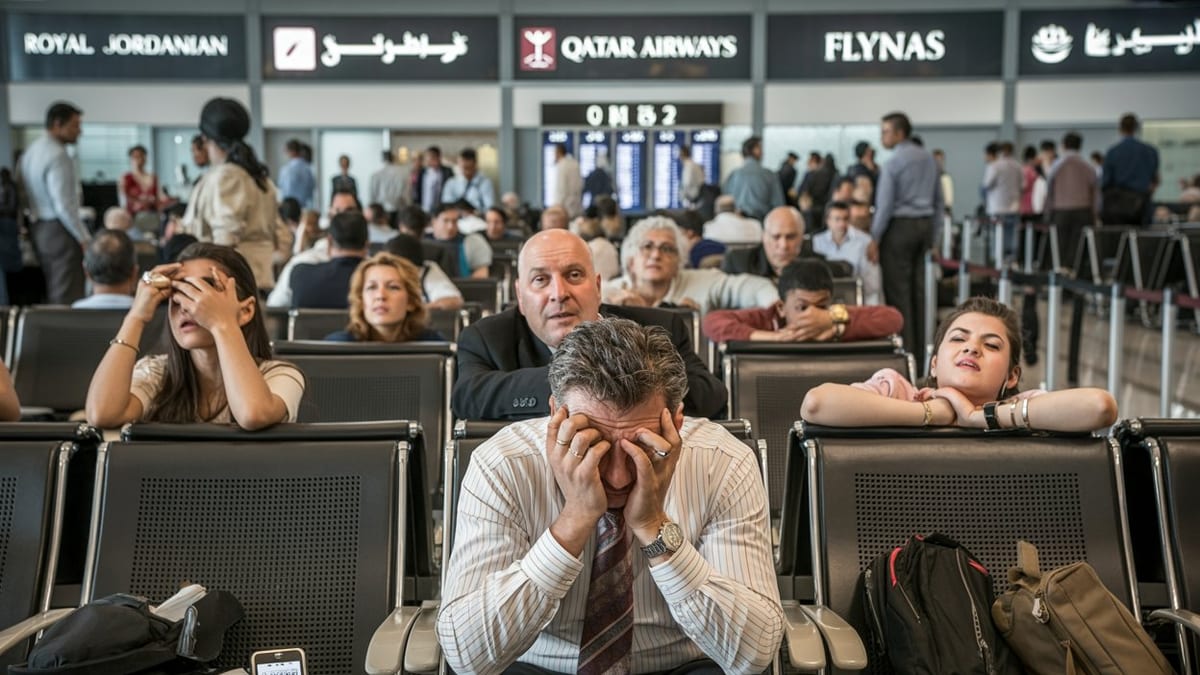
Image by Travel And Tour World
Flight-Tracking Data Shows Widespread Schedule Slippage
Publicly available flight-tracking dashboards for Harry Reid International indicated around 170 delayed flights and one cancellation over the course of the day, illustrating how quickly conditions can deteriorate at a major hub during peak travel periods. The disruptions primarily affected departures and arrivals clustered in the morning and late afternoon, when traffic is heaviest and aircraft are tightly scheduled.
While the absolute number of cancellations remained comparatively low, the high volume of delayed flights translated into rolling knock-on effects across domestic networks. Even modest pushbacks of 30 to 60 minutes during peak waves can cause inbound aircraft to miss scheduled turns, forcing airlines to reshuffle gates, crews and aircraft assignments through the rest of the day.
The impact was concentrated at Harry Reid, but the consequences extended well beyond Nevada. Delayed departures from Las Vegas fed into arrival banks in other major cities, contributing to congestion at already busy hubs and large destination airports across the United States.
Available operational data suggested a mix of factors behind the slowdowns, including heavy passenger loads typical of late March, ongoing national staffing strains in aviation and minor weather or traffic-management restrictions elsewhere in the system. None of these appeared severe on their own, but together they were enough to push Las Vegas operations past a tipping point.
Major U.S. Carriers Hit on Key Domestic Routes
The disruption was felt across the major U.S. network airlines and low-cost carriers that rely on Las Vegas as a key leisure and convention gateway. Flight boards showed delays touching services operated by Southwest Airlines, Delta Air Lines, United Airlines and American Airlines, among others, reflecting the airport’s broad carrier mix and dense schedule.
High-demand routes bore much of the strain. Passengers headed from Las Vegas to Chicago, New York and Los Angeles reported substantial schedule changes as departure times crept later through the day. These city pairs are among the most heavily traveled from Harry Reid, linking the Las Vegas tourism market with major population and business centers in the Midwest, Northeast and West Coast.
Constraints in aircraft and crew availability can magnify the effect on these trunk routes. Airlines often rotate the same aircraft through multiple legs linking Las Vegas to coastal and Midwestern hubs. When an early Las Vegas outbound departs late, later segments on the same aircraft can also fall behind, complicating recovery efforts in cities far removed from the original delay.
Budget-conscious travelers and vacationers, who form a large share of Las Vegas traffic, were among those most affected, particularly on point-to-point services with fewer daily frequencies. With cabins running close to full during the spring peak, opportunities to rebook on alternative departures were limited once delays started to accumulate.
Spring Break Travel Adds Pressure to an Already Busy Airport
The timing of the disruption coincided with one of the busiest periods on the local travel calendar. Recent advisories from Harry Reid International highlighted strong passenger volumes from mid to late March, aligned with school holidays, convention traffic and major events across the Las Vegas Strip. The airport has been preparing for sustained high demand, encouraging travelers to arrive early and use parking and transport options efficiently.
In a normal spring season, passenger volumes at Harry Reid already strain infrastructure during peak hours. The airport closed 2025 with nearly 55 million passengers and direct connectivity to more than 170 markets, underscoring its role as a high-throughput gateway for both domestic and international traffic. Even small operational hiccups can ripple quickly across such a dense schedule.
Reports from local travelers in recent days described generally manageable security waiting times, suggesting that checkpoint bottlenecks were not the primary driver of the latest wave of schedule issues. Instead, the combination of full flights, tight turn times and broader national aviation pressures appeared to leave limited margin for error once delays began to form.
Travel industry observers note that spring break conditions can produce volatile daily swings. Days with relatively smooth flows can be followed by sudden spikes in delays if weather flares up at a distant hub or if air traffic control implements flow restrictions along key corridors, especially those connecting the Southwest to the Midwest and East Coast.
Connections and Downline Operations Affected Nationwide
The impact of the Las Vegas disruptions extended well beyond the city’s gaming floors and convention halls. Passengers relying on Harry Reid flights to connect onward in Chicago, New York or Los Angeles faced missed connections, shortened layovers and, in some cases, the need to reroute through alternate hubs.
Because airlines often bank flights at major airports, late-arriving aircraft from Las Vegas can throw off tightly choreographed connection windows. A delayed Las Vegas to Chicago flight arriving into a bank of departures may leave connecting passengers with only minutes to traverse large terminals, contributing to further rebookings and customer-service backlogs.
For travelers headed to international destinations, particularly those connecting via Los Angeles or New York, the stakes were higher. Unlike domestic segments, some long-haul flights may operate only once per day. A missed connection off a delayed Las Vegas feeder can translate into a full 24-hour disruption, with limited hotel inventory and rebooking options during a busy travel season.
Operationally, airlines must also reposition aircraft and crews when delays cascade across multiple hubs. This can lead to last-minute aircraft substitutions, altered seat configurations and occasional downgrades in onboard services, all of which add to traveler frustration even when flights ultimately depart.
What Travelers Can Do as Delays Persist
With Harry Reid International entering a prolonged period of elevated demand, travel experts recommend that passengers build extra flexibility into their plans. Choosing earlier departures from Las Vegas, especially on routes to Chicago, New York and Los Angeles, can create more options for same-day recovery if schedules slip.
Monitoring flight status closely through airline channels and flight-tracking platforms remains essential, particularly in the 24 hours before departure. Passengers with connections through busy hubs are advised to favor itineraries with longer layovers, even if that means spending more time in terminals, to reduce the risk of missed flights.
At the airport itself, arriving earlier than usual can help offset the cumulative effect of crowded check-in areas, bag drops and boarding processes. While security lines have often remained within typical ranges in recent days, surges can occur around large event start and end times, as well as on Sunday and Monday mornings when many visitors depart.
As airlines adjust schedules and staffing levels in response to ongoing national aviation strains, irregular operations like the current wave of delays at Harry Reid International are likely to remain a feature of peak travel periods. Passengers planning trips through Las Vegas in the coming weeks may benefit from preparing for shifting departure times and building contingency plans into their journeys.