

More news on this day
Dozens of passengers were left scrambling for beds and backup tickets over the weekend as a new round of LATAM and United Airlines cancellations in Peru disrupted links to Lima, Santiago, Houston and other key cities across the Americas.
Get the latest news straight to your inbox!
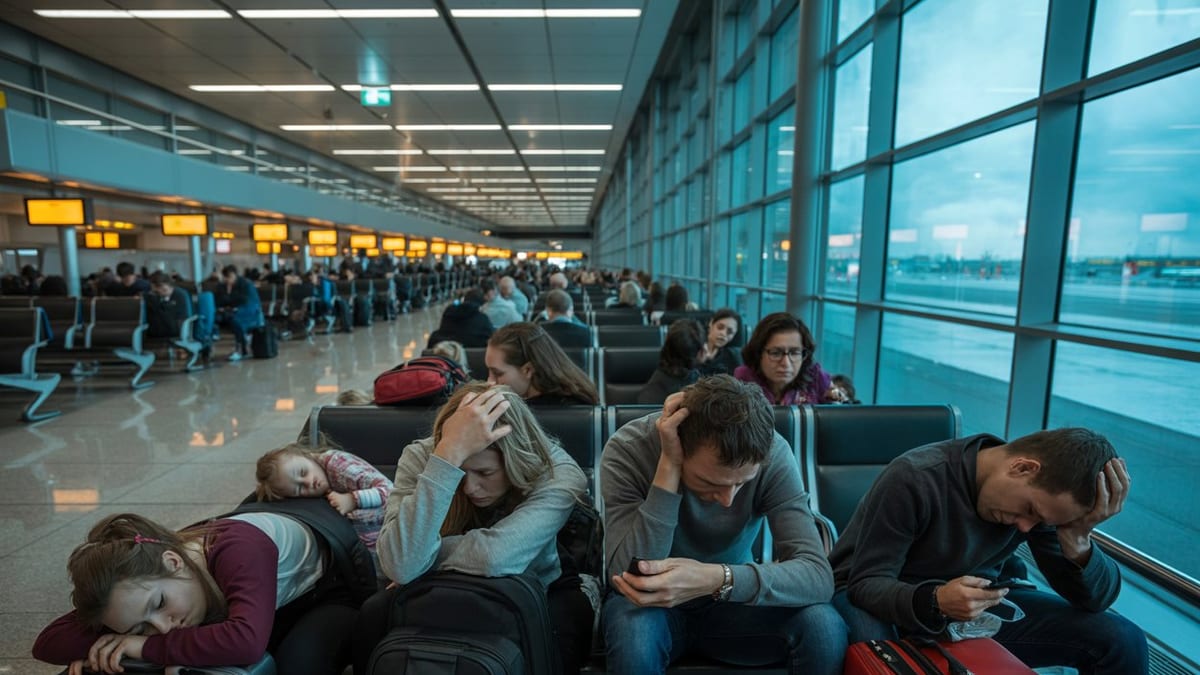
Image by Travel And Tour World
Fresh Disruptions Hit Lima and Regional Hubs
Publicly available flight-tracking data and regional aviation coverage indicate that more than a dozen additional LATAM and United services touching Peru were cancelled over the past several days, compounding an already difficult late-March travel period. The latest disruptions primarily affect routes into and out of Lima, a major South American hub, with knock-on effects for long haul connections to Santiago and Houston.
At Lima’s Jorge Chávez International Airport, cancellations on routes serving Chile and the United States have reduced options for travelers relying on the city as a connection point. LATAM’s network strategy in Peru and Chile means that even a limited number of grounded flights can rapidly ripple through the schedule, closing off one-stop itineraries to destinations across the Southern Cone.
United services linking Peru with Houston are also being affected during a period in which the carrier is already issuing flexibility waivers for its key Texas hub. Industry reporting this week highlights a growing disconnect between published schedules and operational reality for travelers banking on tight connections through South America.
While the total number of cancelled flights remains modest in comparison with the carriers’ overall operations, clustering around peak days has amplified the impact for tourists, business travelers and families relying on single daily departures.
Stranded Passengers Face Long Lines and Limited Options
Social media accounts and passenger forums describe travelers in Lima and regional gateways spending hours in queues to be rebooked after short-notice cancellations. In some cases, overnight delays have left visitors searching for last-minute hotel rooms as nearby accommodations filled up around the airport corridor.
Travelers connecting between Peru and Chile report missed onward flights to Santiago after Lima departures were scrubbed or heavily delayed. Others have described losing their transcontinental links to cities such as Houston when one leg of a multi segment itinerary was canceled, forcing complex rerouting or multi day waits for seats on alternative services.
Reports indicate that some affected passengers were offered rebooking on later flights with no additional charge, while others pursued refunds and purchased new tickets on competing carriers once it became clear that same day options were unavailable. The fragmented response highlights the importance of understanding individual ticket conditions, including whether an itinerary is issued on a single ticket or cobbled together across multiple bookings.
Travel discussion boards focused on Peru and Machu Picchu trips suggest that disruptions on routes involving Lima have become a recurring concern for travelers planning tightly timed itineraries that include domestic connections to Cusco and other high demand destinations.
Houston, Santiago and the Wider Network Feel the Strain
The fallout from cancellations in Peru has extended along the route network, particularly to Houston and Santiago, two cities heavily dependent on long haul and regional feed from Lima. United’s Houston hub is already experiencing its own wave of delays and cancellations this week, with travel industry outlets noting elevated disruption levels at George Bush Intercontinental Airport.
When flights between Lima and Houston are cancelled or significantly delayed, passengers lose access to onward connections across the United States, from domestic business centers to vacation gateways. Reaccommodating those travelers requires spare capacity on already busy transcontinental services, a challenge in late March when demand is buoyed by spring holidays in North America.
In the southbound direction, cuts to Lima operations reduce connectivity into Santiago, a city that functions as a primary base for LATAM’s long haul operations. Aviation analysts note that Santiago’s international schedule relies heavily on coordinated banks of arrivals and departures. Disruptions in Peru can therefore undermine punctuality and seat availability on flights far beyond the immediate region, including to North America and Europe.
Travel media coverage across Latin America also points to operational stress at several hubs in the region this month, suggesting that the Peru related cancellations are occurring against a broader backdrop of congestion, staffing challenges and aircraft availability pressures.
What Travelers Can Expect and How to Minimize Disruption
Publicly available information from consumer agencies and airline policies indicates that passengers whose flights are cancelled by the airline are typically entitled to a refund if they choose not to travel, even when the cause is outside the carrier’s control. Rebooking on later flights or alternate routes is often possible without change fees, although fare differences may apply depending on the ticket.
Travel rights vary by jurisdiction and the point of departure, so passengers on itineraries involving Peru, Chile and the United States may find that different rules apply on different legs of the same journey. Travel law experts frequently recommend keeping all receipts for additional expenses, such as hotel nights and meals, in case partial reimbursement is available under local regulations or through travel insurance.
For those with imminent departures to or through Lima, industry guidance encourages checking flight status repeatedly in the 24 hours before travel. Because same day schedule changes have been common in recent weeks, travelers are also advised to allow longer connection times, especially when linking separate tickets across airlines or changing airports between international and domestic segments.
Flexible planning, including the possibility of rerouting via alternative hubs such as São Paulo, Bogota or Panama City, may help some passengers avoid the most congested corridors while airlines work through the latest batch of cancellations and adjust schedules for the coming weeks.
Ongoing Questions Over Reliability on South American Routes
The latest wave of cancellations in Peru has renewed debate among frequent travelers over reliability on South American routes, particularly for complex itineraries that rely on tightly coordinated international and regional connections. While LATAM and United remain central players in linking North and South America, public discussion in travel communities reflects frustration with repeated last minute changes.
Analysts point to a combination of factors driving volatility in the region, from air traffic control constraints and infrastructure changes around Lima’s expanding airport facilities to fleet utilization pressures and weather related challenges at major hubs. These stress points can quickly converge on busy travel days, triggering clusters of cancellations like those seen in recent days.
For tourism operators in Peru and Chile, disruptions on Lima and Santiago routes raise concerns about visitor confidence at a time when the sector is working to consolidate its post pandemic recovery. Industry observers will be watching closely in the coming weeks to see whether LATAM and United adjust capacity or introduce additional flexibility measures to stabilize schedules and reassure travelers on these critical intercontinental links.