

More news on this day
Travelers moving through Peru at the start of the busy Easter period are facing mounting disruption as newly reported cancellations by LATAM and United Airlines leave passengers stranded and complicate connections on major routes linking Lima with Santiago, Houston and other cities across the Americas.
Get the latest news straight to your inbox!
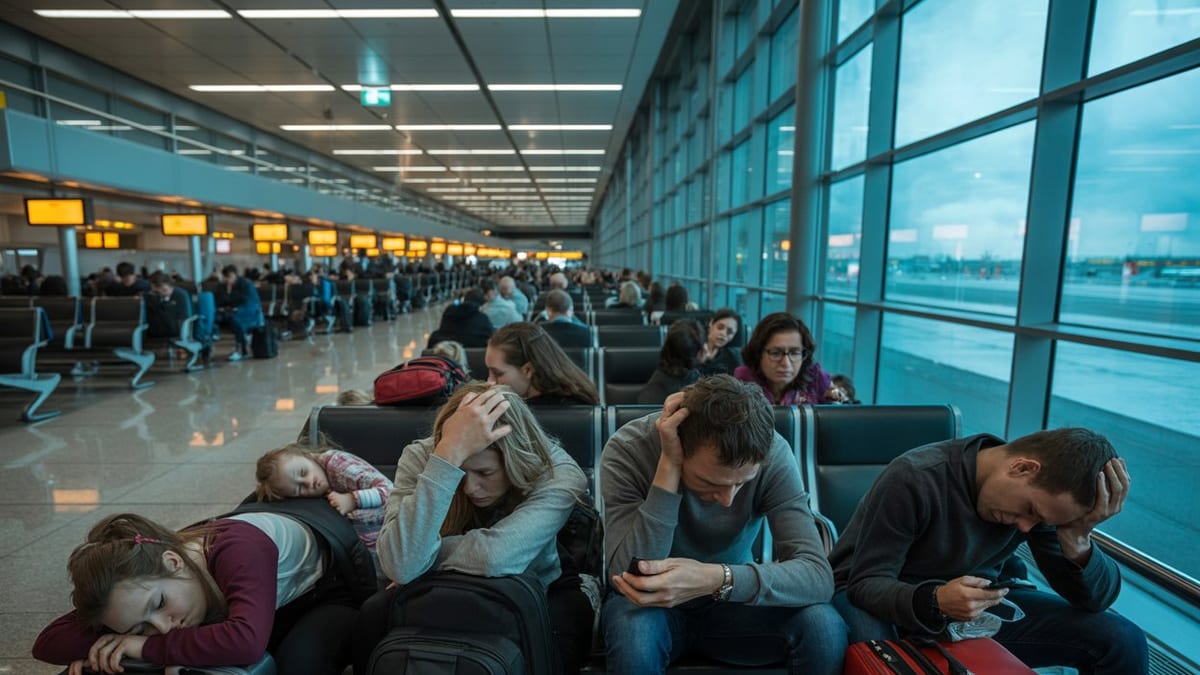
Image by Travel And Tour World
Fresh Cancellations Hit Lima as Regional Hub
Peru’s main international gateway in Lima is once again at the center of regional travel disruption, with more than a dozen additional flight cancellations reported on LATAM and United-operated services in recent days. Publicly available schedule and status data indicate that multiple departures and arrivals touching Lima, including onward connections to Santiago and US hubs, have been withdrawn at short notice.
While individual cancellation tallies vary by day, the pattern adds to an already challenging operating environment in South America, where crews, aircraft positioning and congested hubs can magnify the effect of each scrubbed flight. Lima’s Jorge Chávez International Airport functions as a critical transfer point between the Southern Cone, North America and domestic Peruvian destinations, meaning a canceled leg can quickly cascade into missed connections across the region.
Recent airline communications and third-party tracking platforms suggest the latest canceled services are spread across both domestic and international sectors, with particular pressure on evening departures and overnight long-haul rotations. For travelers, the practical impact is longer waits in terminal areas, unexpected overnights in Lima and the need to reroute through alternate hubs such as Bogotá, Panama City or São Paulo.
The timing is particularly sensitive as Holy Week and school holiday travel accelerate demand. Many flights in and out of Peru over the next several days were already operating close to capacity, leaving fewer open seats for same-day reaccommodation when services are cut.
Routes to Santiago and Houston Bear the Brunt
The latest wave of cancellations is heavily focused on trunk routes that connect Peru with major regional hubs, notably Lima to Santiago and Lima to Houston. LATAM’s Lima–Santiago corridor is one of the airline group’s busiest cross-border links, carrying a mix of business travelers, tourists and connecting passengers heading deeper into Chile or onward to Argentina and Brazil. Any reduction in frequencies there quickly tightens options for same-day alternatives.
On the North American side, United’s operations between Lima and Houston tie Peru into the carrier’s extensive network at George Bush Intercontinental Airport, including onward connections across the United States and to Europe. Scrubbed flights on this route can strand passengers mid-journey, particularly those holding separate tickets or complex itineraries that rely on a tight overnight bank of connections in Houston.
Monitoring sites that compile live status from airline and airport feeds show a cluster of canceled United departures into and out of Houston over the past week, with travel waivers in effect for certain dates. Although many of these disruptions are linked to broader system pressures in the United States, they have a direct knock-on effect for travelers starting or ending their journeys in Peru.
For passengers aiming to reach Santiago from Peru, limited remaining capacity on non-stop services means some are being rerouted via alternative hubs such as São Paulo or Buenos Aires. This can lengthen total journey times by many hours and increase the risk of missed connections if additional delays arise.
Knock-on Effects Across the Americas
Because Lima acts as a connecting hub, cancellations there ripple far beyond the immediate point-to-point markets. Travelers bound for US cities such as Miami, Los Angeles and New York often route through Peru, pairing LATAM’s South American network with partner carriers or other alliances further north. When a Lima leg is removed from the schedule, the entire itinerary can unravel, even if onward flights remain on time.
Similarly, passengers traveling between North America and secondary South American cities may find that their fastest itineraries relied on a Lima or Santiago connection. With multiple sectors now disrupted, many are being offered rebookings that involve overnight connections or double connections through other hubs. In some cases, travelers are opting to delay trips altogether rather than accept significantly longer routings.
Industry data from recent months has already highlighted how concentrated cancellations on a few high-demand routes can tighten capacity across the broader network. During major disruption events earlier this year, thousands of flights were removed from schedules in a matter of days, shrinking the pool of spare seats and leaving airlines with less flexibility to recover from new operational challenges.
In Peru, the latest LATAM and United cancellations add another layer to ongoing concerns about resilience in regional air travel. Carriers across the Americas are juggling crew availability, aircraft maintenance windows and airspace constraints, all while trying to capitalize on strong demand for leisure travel. The result is a system where even routine disruptions can quickly spill over into widespread delays.
Passenger Rights, Waivers and Limited Options
For affected travelers, the current situation underscores the importance of understanding airline obligations when flights are canceled. Publicly available consumer guidance from transportation regulators in multiple jurisdictions notes that, when an airline cancels a flight, passengers are typically entitled to either a refund or rebooking, regardless of the reason for the disruption, though specific rules vary by country and ticket type.
Both LATAM and United regularly publish travel waivers during periods of irregular operations, allowing customers to change dates or routes without standard change fees. Recent advisories related to weather, security conditions and airport staffing issues in the Americas have expanded those options on certain days, though travelers may still face fare differences if they move to higher-priced flights or peak travel dates.
However, even generous waiver policies cannot create additional seats. With demand surging around holidays and major events, the practical reality is that many replacement flights are already near full. Reports from passengers indicate that some stranded travelers are accepting rebookings several days later than originally planned, while others are piecing together itineraries on different airlines at their own expense and seeking reimbursement afterward.
Travel advocates emphasize that passengers should document all communications with airlines and keep receipts for hotels, meals and alternative transport if they hope to recover costs later. In some Latin American and European jurisdictions, compensation frameworks may apply when cancellations are within an airline’s control, though operational or weather-related causes can limit eligibility.
What Travelers Through Peru Can Do Now
With additional cancellations still possible, travelers scheduled to pass through Lima or to connect onward to Santiago, Houston and other key cities are being urged by travel advisors and consumer organizations to plan defensively. That starts with closely monitoring flight status in the 24 hours before departure and again before leaving for the airport, as schedule changes are sometimes posted only a few hours in advance.
Experts commonly recommend building extra buffer time into complex itineraries that rely on a single daily flight or tight overnight connection. For example, passengers connecting from domestic Peruvian cities into long-haul departures may want to arrive in Lima earlier in the day, reducing the risk that a delayed feeder flight causes a missed intercontinental departure.
Flexibility can also help. Travelers who are able to shift travel by a day or two, accept alternative routings through different hubs, or fly at less popular times of day tend to have more success securing prompt reaccommodation when disruptions occur. Those booking with frequent-flyer miles or through third-party platforms may need to work with both the airline and the booking channel to confirm new arrangements.
As LATAM and United adjust their operations in Peru and across the Americas, the situation remains fluid. For now, anyone planning trips involving Lima, Santiago or Houston should assume the potential for last-minute changes and be prepared with backup plans, from travel insurance that covers delays and cancellations to flexible hotel and tour reservations that can be moved if flights do not operate as scheduled.