

More news on this day
A fresh wave of flight disruptions is rippling across Canada as a late-season winter system triggers 42 cancellations and around 210 delays at airports from Toronto and Vancouver to Montreal, Halifax and Kuujjuaq, affecting operations for Air Canada, WestJet, Jazz, Delta, Air Inuit and several other carriers.
Get the latest news straight to your inbox!
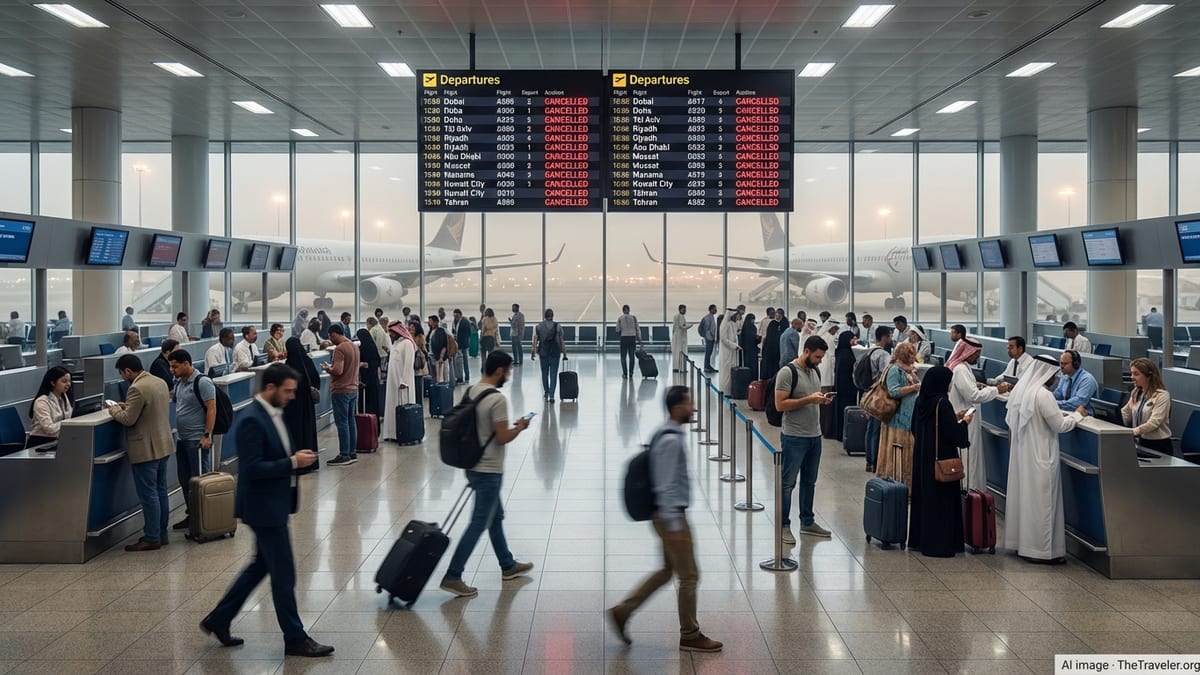
Storm-Driven Disruptions Hit Major Canadian Hubs
Recent aviation and travel-industry tracking points to a new day of operational strain for Canada’s air network, as snow, freezing rain and poor visibility continue to affect multiple regions. The latest snapshot of flight status boards shows at least 42 flights cancelled and roughly 210 delayed across the country, concentrated at large hubs such as Toronto Pearson, Vancouver International and Montreal–Trudeau, while also touching smaller airports including Halifax and Kuujjuaq.
Publicly available information indicates that Toronto, Vancouver and Montreal once again account for a significant share of the totals, reflecting their roles as primary connection points for domestic, transborder and long-haul services. Disruptions range from short pushback delays to multi-hour waits and outright cancellations, particularly on routes linking Eastern and Western Canada and on select cross-border services into the United States.
Regional centres such as Halifax and Kuujjuaq are experiencing their own challenges, with weather and downstream effects from larger hubs combining to thin already limited schedules. For travellers in remote northern communities, the loss or delay of even a handful of flights can have a disproportionate impact, affecting medical trips, cargo movements and vital onward connections.
Air Canada, WestJet, Jazz and Partners Under Pressure
The cancellations and delays are spread across several airlines, but Canada’s two largest carriers, Air Canada and WestJet, are bearing much of the visible impact due to their scale and dense schedules through the affected hubs. Regional operator Jazz, which flies many Air Canada Express services, is also heavily exposed, particularly on shorter routes linking major cities with secondary and northern airports.
Operational data published over recent days shows repeated waves of disruption for these carriers linked to the same storm pattern, with aircraft and crews often out of position after earlier delays. When flights arrive late into Toronto, Montreal or Vancouver, subsequent departures can quickly fall behind schedule or be scrubbed entirely if turnaround windows or crew duty limits are exceeded.
Cross-border operators such as Delta are also in the mix, especially on services connecting Canadian hubs to U.S. cities that have faced their own bouts of severe weather and air traffic flow restrictions. In the North, carriers including Air Inuit are contending with challenging runway and visibility conditions, complicating efforts to maintain lifeline connections into smaller communities.
Winter Weather and Network Ripple Effects
The latest round of disruption follows several days of stormy conditions over the Easter period, with reports highlighting heavy snowfall, icy surfaces and intermittent freezing rain across wide swaths of the country. As the system lingered, airports and airlines faced a recurring cycle of de-icing operations, runway clearing and periodic reductions in arrival and departure rates.
Conditions at one airport can quickly cascade through the wider network. When Toronto Pearson or Montreal–Trudeau slows arrivals, flights bound for Western Canada may depart late or miss onward connection windows, leading airlines to consolidate services or pre-emptively cancel less critical frequencies. Similar effects are evident when Vancouver experiences low ceilings or reduced visibility, constraining transpacific and transcontinental flows.
Industry coverage over recent days has also pointed to congestion in ground operations, from de-icing backlogs to longer-than-normal taxi times, all of which erode schedule resilience. Even when the worst of the weather passes, lingering aircraft and crew imbalances can keep disruption elevated for several cycles before timetables stabilize.
Passengers Face Long Lines and Uncertain Itineraries
For travellers, the arithmetic of 42 cancellations and about 210 delays translates into thousands of disrupted journeys across Canada in a single day. Airport terminals in Toronto, Vancouver and Montreal have seen extended check-in and security queues, as passengers attempt to rebook or secure connections after missed or cancelled flights.
At smaller airports such as Halifax and Kuujjuaq, the impact is often more acute. With fewer daily services, a cancelled flight can mean waiting until the next day or even longer for a replacement seat, particularly on routes served by smaller regional aircraft. Travellers headed to or from remote communities may have to rework complex multi-leg itineraries that include medical appointments, work rotations or international onward travel.
Travel-focused outlets report that many affected passengers are turning to airline apps and digital tools to monitor gate changes and departure times, while also seeking clarification on rebooking options and compensation eligibility. Under Canada’s air passenger protection framework, entitlements can vary widely depending on whether a disruption is considered within an airline’s control or primarily weather-related.
What Travellers Should Watch in the Coming Days
With weather systems still moving across parts of the country, flight status boards are expected to remain fluid at least in the short term. Airlines routinely adjust schedules as conditions evolve, meaning today’s count of 42 cancellations and 210 delays could shift either upward or downward as the operational day unfolds.
Travel and aviation analysts note that recovery from this kind of storm-driven disruption can take several days, particularly when it coincides with high-demand holiday periods. Even if skies clear quickly, residual aircraft and crew dislocation may continue to generate rolling delays, short-notice aircraft swaps and occasional additional cancellations on already busy routes.
Passengers planning to travel through Toronto, Vancouver, Montreal, Halifax, Kuujjuaq or other Canadian airports affected in recent days are being advised in public guidance to build extra time into their journeys, travel with flexible itineraries where possible and review the terms of their tickets and travel insurance. With Canada’s late-season winter still asserting itself, industry observers suggest that a measure of patience and preparation remains essential for anyone flying in the days ahead.