

More news on this day
Operations at Los Angeles International Airport were hit by a new wave of disruption on March 6 as SkyWest, Qatar Airways and Alaska Airlines recorded 10 flight cancellations and multiple delays, snarling key domestic and long haul routes to Aspen, Eagle, Seattle, Doha, Toronto and other major destinations.
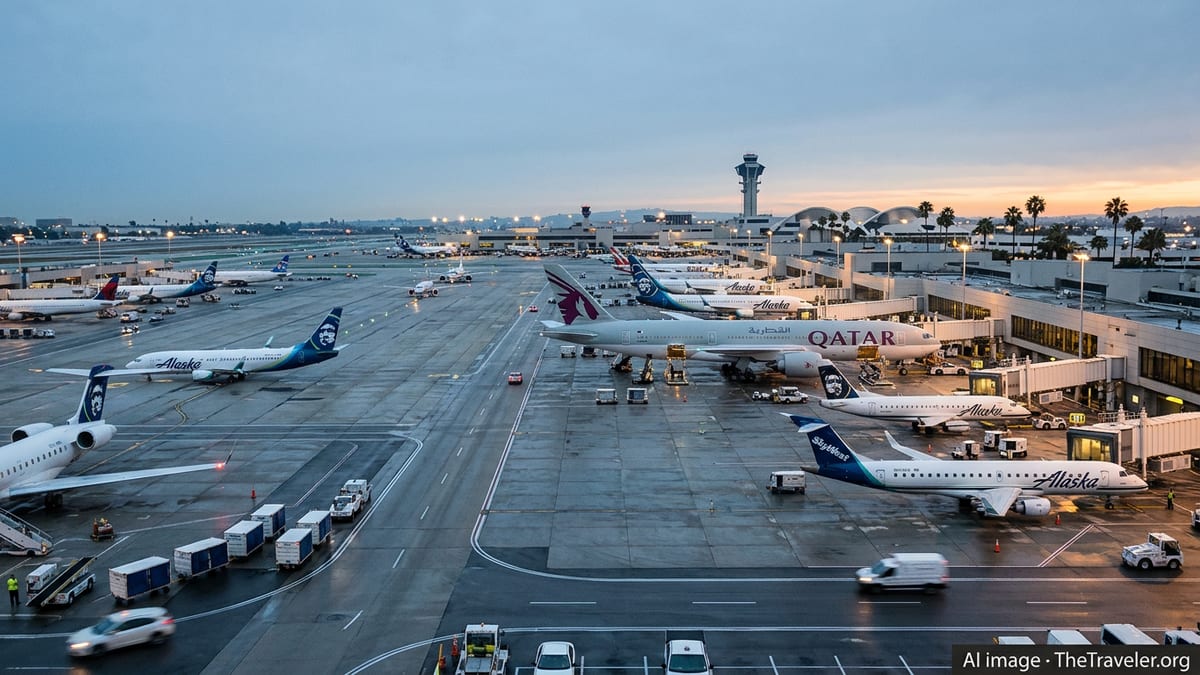
Targeted Cancellations Snag Key Mountain and West Coast Links
According to live operational data reviewed on March 6, a cluster of 10 cancellations involving SkyWest, Qatar Airways and Alaska Airlines at Los Angeles International Airport concentrated on high-demand links to Aspen, Eagle and Seattle, as well as onward connections across the West. Several departures operated by SkyWest on behalf of major U.S. carriers were pulled from the schedule, while Alaska’s LAX–Seattle corridor experienced extended delays as aircraft and crews fell out of position.
The cancellations hit at a time when travel to Colorado’s mountain gateways remains brisk, with Aspen and Eagle acting as key access points for late-season ski traffic and luxury leisure travel. Passengers bound for these airports reported last-minute schedule changes, with some rerouted through Denver or Salt Lake City and others forced to accept next-day departures as limited spare capacity constrained rebooking options.
On the West Coast, delays on Alaska’s trunk route between Los Angeles and Seattle created knock-on effects for connections to Anchorage, Vancouver and several smaller Pacific Northwest cities. Travelers reported rolling departure estimates and crowded customer-service lines at LAX terminals as airline teams attempted to consolidate lightly loaded flights and reassign aircraft to protect peak-time services.
Industry analysts note that both SkyWest and Alaska operate relatively tight turn times on many LAX rotations, leaving limited margin when inbound aircraft arrive late or crews time out. That operating model, while efficient under normal conditions, can quickly translate isolated schedule problems into a broader pattern of disruption once cancellations begin.
Qatar Airways Links to Doha and Beyond Strained by Regional Turmoil
For Qatar Airways passengers, the impact in Los Angeles was closely tied to wider instability in the Middle East, where an ongoing regional conflict has triggered airspace closures and large-scale schedule changes in and around Doha. The Gulf carrier, a key player in connecting Los Angeles with South Asia, Africa and parts of Europe via Hamad International Airport, has already been forced to cancel thousands of flights globally in recent days as authorities reassess airspace safety and routing options.
At LAX, affected travelers booked on Qatar-operated or codeshare services to Doha reported outright cancellations or significant delays, with rebooking options complicated by limited alternative capacity and the need to maintain safe routings around restricted airspace. Some passengers were offered itineraries that replaced a single overnight journey with multi-stop routings via European or U.S. hubs, stretching travel times by many hours.
The sudden loss or downgrading of the Los Angeles–Doha link has also disrupted carefully timed onward connections to cities such as Toronto, which rely on coordinated departure banks in Doha. With flights to and from Qatar subject to rapid schedule changes, passengers connecting from the U.S. West Coast have been urged to monitor their bookings closely and maintain flexible plans in case of further rerouting.
Qatar Airways has emphasized that safety remains the primary factor behind its adjustments, but the scale of recent cancellations has underscored how quickly geopolitical shocks can ripple through long haul networks that hinge on a single mega-hub. For LAX travelers, that has translated into crowded ticket counters, long waits for call center assistance and a surge in last-minute searches for alternate routes on other international carriers.
SkyWest and Alaska Operations Highlight Fragility of Regional Networks
The latest disruptions at Los Angeles International Airport also cast a spotlight on the structural vulnerabilities of the U.S. regional airline system. SkyWest, which operates flights under the banners of several major carriers, plays a critical role in connecting Los Angeles with smaller markets such as Aspen and Eagle. When those flights are canceled, options for stranded passengers are often limited to a handful of alternative departures each day, many of which are already full.
Recent data from consumer and government reports show that SkyWest and Alaska consistently deliver on-time performance that is broadly in line with other U.S. carriers, yet both remain highly exposed to knock-on effects from national air traffic control constraints, weather and crew availability. When a disruption originates at one hub, regional spokes like Aspen, Eagle and secondary Canadian and U.S. airports can experience outsized impacts.
Travelers across the West Coast and Rocky Mountain region have grown accustomed to periodic clusters of cancellations, particularly in shoulder seasons when schedules are thinner and recovery options fewer. Friday’s pattern at LAX fit that mold, with a relatively modest number of canceled flights translating into lengthy delays and overnight stays for passengers who missed tight connections or whose destination saw only one or two remaining departures.
For Alaska Airlines, which has built a strong brand around West Coast reliability, the operational strain has raised questions among frequent fliers who rely on the carrier for business and family travel between Los Angeles, Seattle and Alaska. While Alaska has taken steps in recent years to adjust schedules and add buffer time to some turns, the latest wave of delays shows how quickly even refined operations can be knocked off balance when a major hub like LAX experiences compounded issues.
Nationwide Disruption Amplifies Impact at Los Angeles
The situation in Los Angeles on March 6 did not occur in isolation. Across the United States, airports from Chicago O’Hare and Denver to Boston and New York have faced repeated bouts of disruption this week, with hundreds of cancellations and several thousand delays tied to a mix of severe weather, airspace restrictions linked to Middle East tensions and ongoing staffing and congestion challenges.
Carriers including SkyWest, Qatar Airways and Alaska Airlines have all featured prominently in national tallies of disrupted operations, reflecting their central roles in regional and international networks. As those airlines work to recover aircraft and crew positions across multiple hubs, localized problems at LAX are more difficult to resolve, and spare aircraft that might otherwise be deployed to cover a canceled route to Aspen or Seattle are already committed elsewhere.
Analysts note that the timing of the latest wave of disruptions, coming just ahead of the busy spring break period, is particularly challenging. Airlines have been selling fuller flights and trimming excess capacity, leaving fewer open seats available for rebooking when cancellations hit. For travelers caught up in the LAX disruptions, that has often meant accepting downgraded itineraries, overnight hotel stays and partial refunds rather than same-day alternatives.
The national picture also underscores how interconnected modern air travel has become. A ground delay program in Chicago, an airspace closure over the Gulf region and a staffing shortfall at a West Coast control center can combine to disrupt itineraries from Los Angeles to Aspen, Doha, Toronto or beyond. Each additional canceled or heavily delayed flight at LAX ripples outward through connecting banks that touch multiple continents.
What Passengers Can Expect in the Coming Days
With airlines still working to stabilize schedules and reposition aircraft, travel experts suggest that passengers flying into or out of Los Angeles in the coming days should prepare for continued volatility, particularly on routes involving regional connections or long haul flights that rely on sensitive airspace corridors. Even if no further large-scale ground stops are ordered, residual delays and aircraft misalignments can take days to fully unwind.
Passengers booked on SkyWest-operated regional services to markets such as Aspen and Eagle are being advised to check flight status frequently on the day of travel and to build additional buffer time into ground transfers, especially if connecting from another airline. Where possible, some agents are recommending earlier departures from LAX to safeguard onward links, even if that means longer layovers.
Those traveling with Qatar Airways or on Alaska itineraries that include a Doha connection may face the greatest uncertainty, as schedules remain vulnerable to further adjustments driven by the evolving security context in the Middle East. Travelers with flexible plans are being encouraged to consider date changes or alternate routings that avoid tight minimum connection times in Doha or other heavily affected hubs.
For now, Los Angeles International Airport remains open and operating, but Friday’s combination of 10 cancellations and numerous delays across SkyWest, Qatar Airways and Alaska Airlines is a reminder that even a relatively small set of schedule changes can seriously disrupt major travel corridors. As airlines, regulators and passengers navigate a turbulent period for global aviation, the experience at LAX underscores the value of contingency planning and real-time information for anyone moving through one of the world’s busiest air travel gateways.