

More news on this day
Thousands of passengers were left stranded at Los Angeles International Airport on Sunday after 155 flights were delayed and 105 canceled, triggering a fresh wave of disruption that rippled across major hubs in Los Angeles, New York, Miami and Toronto and snarled operations for American Airlines, United, Delta Air Lines, Spirit and other major carriers.
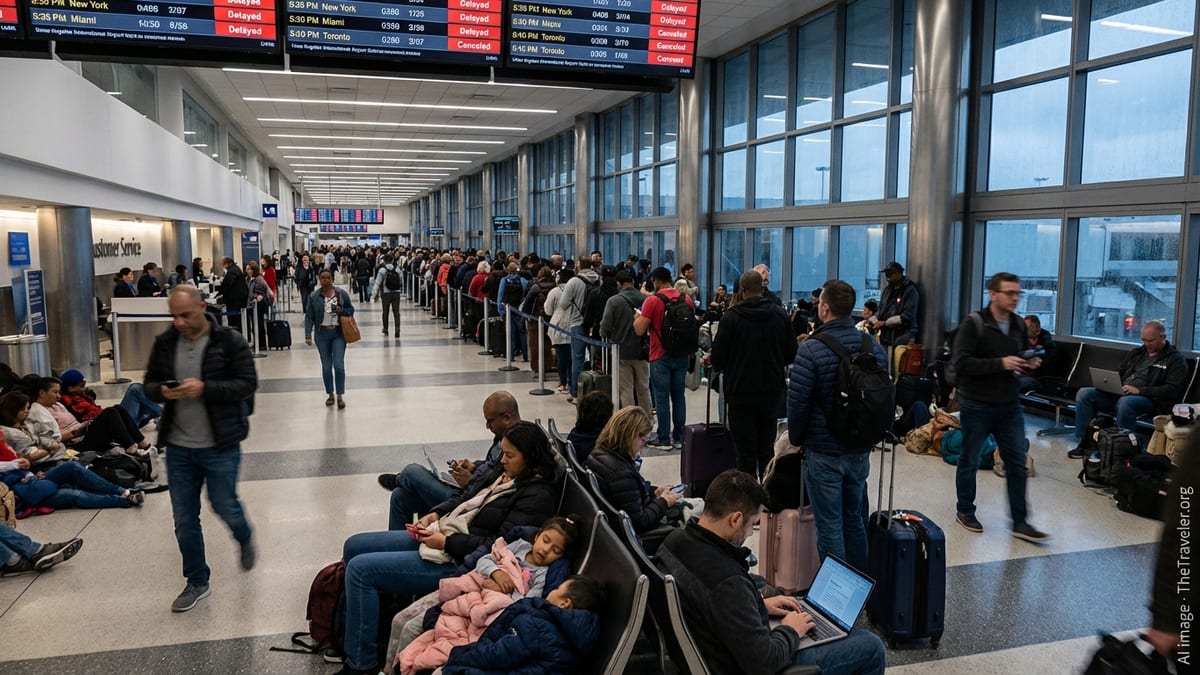
Severe Disruptions Hit LAX as Winter Weather Amplifies Strain
The latest bout of air travel chaos began before dawn at Los Angeles International Airport, where operational slowdowns quickly escalated into widespread delays and cancellations just as early morning departures were scheduled to leave. Airline and airport staff pointed to a combination of knock-on effects from severe winter weather in the eastern United States and Canada, tight aircraft rotations and crew scheduling challenges that converged at one of the world’s busiest gateways.
By late morning, departure and arrival boards across LAX’s terminals showed growing blocks of red as flights to and from the Northeast and Midwest were pushed back or scrapped altogether. Routes connecting Los Angeles with New York, Miami and Toronto were among the hardest hit, leaving passengers bound for business trips, family reunions and winter getaways suddenly grounded.
Airport officials said the volume of disruption at LAX was amplified by its role as a major transcontinental and transborder hub. When storms in the Northeast prompted mass cancellations and ground stops, the ripple effects quickly reached California, where aircraft and crews scheduled to arrive from affected cities never made it to Los Angeles in time to operate onward flights.
Passengers Sleep on Floors as Terminals Overflow
Inside LAX, scenes of frustration and fatigue unfolded throughout the day as stranded travelers searched for scarce seats, working power outlets and updated information. Families with young children clustered around gate areas, using carry-on bags as makeshift pillows, while solo travelers stretched out on terminal floors as delays stretched into the evening.
Some passengers reported waiting in check in and customer service queues for more than three hours as they attempted to secure alternative flights or refunds. With many eastbound departures canceled outright and remaining seats selling out quickly, rebooking options were limited, particularly for those traveling on the most heavily affected routes to New York and Toronto.
Vouchers for meals and hotels were issued in some cases, particularly where long, overnight delays were involved. However, limited nearby hotel capacity and congested ground transport meant that many travelers chose to remain in the terminal rather than risk losing contact with airline staff or missing an early morning rebooked departure. For international passengers facing missed connections, the lack of immediate clarity about next steps added to the sense of uncertainty.
Knock On Effects Across New York, Miami and Toronto
While LAX became a visible symbol of the day’s disruption, airports across North America struggled with the same set of pressures. In New York, carriers had already pared back schedules ahead of a powerful winter storm system moving up the Eastern Seaboard, with John F. Kennedy and LaGuardia airports enduring hundreds of cancellations and delays as snow, wind and low visibility made operations increasingly difficult.
Miami, traditionally less vulnerable to winter weather, found itself affected by the broader network turmoil. Flights from California and the Midwest arrived late or not at all, disrupting tight turnarounds to Caribbean and Latin American destinations. Passengers connecting in Miami from Los Angeles and New York faced missed onward flights and long rebooking lines as gate agents worked to juggle disrupted itineraries.
In Toronto, which was also bracing for heavy snow and gusty winds, cancellations from United States hubs cascaded into Canada’s busiest airport. Services from LAX and other US cities were delayed as crews and aircraft were held back by ground stops and deicing operations to the south. The result was a patchwork of rolling delays across the day, confounding efforts by airlines to rebuild their schedules and keep passengers informed.
Major Airlines Struggle to Restore Schedules
For American Airlines, United, Delta Air Lines, Spirit and other carriers, the turbulence at LAX reflected a broader struggle to cope with back to back weather systems and high seasonal demand. As the latest winter storm pushed into the Northeast and parts of eastern Canada, airlines implemented large scale schedule adjustments in advance, canceling hundreds of flights in anticipation of runway closures and safety constraints.
Industry analysts noted that preemptive cancellations, while disruptive for passengers, have become a standard strategy during major storms. By grounding flights early, airlines can free up aircraft and crews to resume service more quickly once conditions improve. However, this approach concentrates the impact into a shorter window, fueling scenes of crowded terminals and oversubscribed customer service desks at airports like LAX.
Operational leaders at major carriers also faced the perennial challenge of crew availability. When storms or ground stops strand pilots and flight attendants out of position or push them beyond federally mandated duty time limits, the resulting staffing gaps can persist for days. That dynamic was apparent as LAX based crews found themselves unable to reach the airport in time to operate flights whose inbound segments had been severely delayed or canceled from cities such as New York, Boston and Toronto.
Weather, Infrastructure and Tight Timetables Create a Fragile System
The latest disruptions have reignited debate about the resilience of North America’s air transport network in the face of increasingly volatile weather patterns. Aviation observers say that while extreme storms are not new, the combination of tightly optimized schedules, high aircraft utilization and chronic staffing pressures has left little room for error when major weather events strike.
At LAX and other congested hubs, even a modest sequence of delays during busy hours can trigger a domino effect, with each late departure forcing subsequent flights to push back, compressing maintenance windows and complicating crew assignments. When that dynamic overlaps with severe winter conditions at downline airports, the system can quickly become overwhelmed, as passengers experienced this weekend.
Infrastructure constraints, from limited gate availability to aging ground equipment, add another layer of vulnerability. Deicing backlogs and reduced runway capacity during snow events at East Coast and Canadian airports can reverberate thousands of miles away, tying up aircraft that would otherwise be operating clear weather routes from Los Angeles and Miami. The resulting gaps leave airlines with few options when it comes to rescuing disrupted schedules in real time.
Airlines Offer Waivers, but Relief Is Uneven
As the scale of the disruption became clear, major carriers serving LAX and the affected hubs moved to expand travel waivers that allow customers to change their itineraries without incurring additional fees. American Airlines, United, Delta Air Lines and Spirit all encouraged travelers with flexible plans to shift their trips away from the worst of the storm window, freeing up scarce seats for those who needed to travel immediately.
In practice, however, many passengers reported that rebooking within the waiver conditions did little to ease their immediate predicament. With alternative flights already heavily booked and some routes facing consecutive days of cancellations, travelers found that the earliest available options were several days away, particularly for transcontinental journeys from the West Coast to the Northeast.
Consumer advocates noted that while airlines are required to provide refunds when flights are canceled and a passenger chooses not to travel, compensation for meals, hotels and other incidental expenses remains inconsistent in the United States, particularly when disruptions are linked to weather. That patchwork of policies left many stranded passengers at LAX and other airports bearing the cost of extended stays out of pocket.
Human Stories Behind the Numbers
Beyond the headline figures of 155 delays and 105 cancellations at LAX, the disruption unfolded as thousands of individual setbacks for travelers. Business professionals missed key meetings on the East Coast, students returning to universities in New York and Toronto found themselves sleeping in terminals, and families en route to long planned vacations in Florida and the Caribbean faced the unwelcome prospect of losing precious days from already paid for trips.
For airport and airline staff, the day’s events added emotional strain to already demanding roles. Gate agents fielded a constant stream of questions from anxious passengers, many of whom had already endured multiple trip changes following earlier winter storms. Ground crews, cabin staff and pilots worked extended shifts within regulatory limits, often dealing with frustrated travelers while managing their own fatigue and changing rosters.
Despite the tension, there were also reports of passengers helping one another manage the disruption, from sharing charging outlets and snacks to pooling resources to book scarce hotel rooms. For many, those small acts of solidarity provided a modest counterweight to the broader sense of instability that has increasingly characterized peak travel periods during recent winters.
What Travelers Can Expect in the Coming Days
With the storm system still moving across the Northeast and eastern Canada, airlines cautioned that disruptions are likely to persist into the start of the week, even if conditions at LAX itself remain clear. Carriers will need time to reposition aircraft and crews, clear backlogs of stranded passengers and gradually rebuild regular schedules on key routes linking Los Angeles, New York, Miami and Toronto.
Travel experts advised passengers scheduled to fly through the affected cities over the next several days to monitor their flight status frequently, use airline mobile apps for rebooking where possible and consider proactive changes to avoid tight connections at vulnerable hubs. They also recommended that travelers keep essential items, including medications and a change of clothes, in their carry on bags to be better prepared for unexpected overnight stays.
For the broader industry, the latest episode underscores the ongoing challenge of balancing efficiency with resilience. As climate driven weather extremes become more common and passenger demand remains strong, airports and airlines alike face growing pressure to invest in infrastructure, technology and staffing models that can absorb shocks without leaving thousands of travelers sleeping on terminal floors from Los Angeles to New York and beyond.