

More news on this day
Lebanon is aligning with Oman, Qatar, Turkey, the United Arab Emirates, Saudi Arabia, Kuwait and other regional tourism players in calling for stronger United Nations engagement to stabilize the Middle East’s travel economy and restore order in tourism markets ahead of Eid al-Fitr 2026, as conflict-related disruptions and soaring costs threaten one of the region’s most important holiday periods.
Get the latest news straight to your inbox!
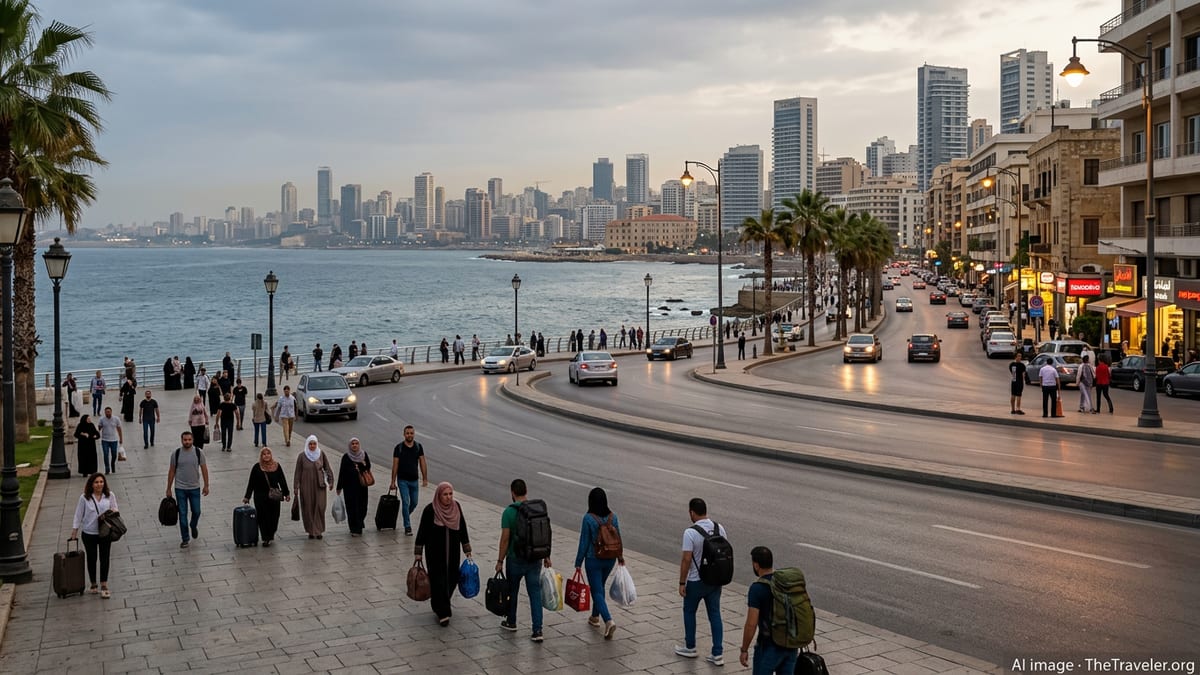
Regional Tourism Under Pressure as Conflict Intensifies
Publicly available analyses show that the Middle East’s tourism sector is facing some of its sharpest headwinds in years, with the latest conflict involving the United States, Israel and Iran triggering thousands of flight cancellations, higher fuel surcharges and widespread disruption to air corridors that normally connect Europe, Asia and Africa through Gulf and Levant hubs. Industry assessments describe a systemic shock that has hit both transit traffic and point-to-point leisure travel across the region.
Economic modelling by global tourism bodies indicates that international visitor spending in the broader Middle East was expected to reach well over 200 billion dollars in 2026 before the latest escalation. Current projections now point to daily losses in the hundreds of millions as travelers defer or reroute trips and tour operators reprice packages to account for risk and higher operating costs. This erosion of demand arrives just as many destinations had rebuilt capacity following the pandemic years and invested heavily in new resorts, cultural attractions and aviation infrastructure.
For governments that have positioned tourism as a pillar of diversification and job creation, the timing is particularly sensitive. The period around Eid al-Fitr is traditionally one of the busiest for intra-regional travel, family visits and religious tourism, generating crucial revenue for airlines, hotels and small businesses. Disruptions to this peak season risk amplifying existing economic pressures at a moment when fiscal space is already constrained in several states.
Lebanon Seeks Multilateral Backing to Stabilize Travel Demand
Lebanon’s decision to join its Gulf and regional peers in urging deeper UN involvement reflects both domestic vulnerability and the cross-border nature of current shocks to tourism. The country’s own Eid al-Fitr holiday, expected around 20 March 2026 according to regional calendars, is a vital window for inbound expatriate visits and outbound leisure trips for residents who can afford to travel. Any sustained perception of regional instability tends to weigh disproportionately on Lebanon’s tourism image, given its history of political and security volatility.
Public information on Beirut’s latest diplomatic messaging suggests a focus on securing UN-backed frameworks that can help reanchor confidence in Middle Eastern air corridors, clarify risk assessments for insurers and aviation regulators, and support coherent communication to travelers. By aligning its position with that of Oman, Qatar, Turkey, the UAE, Saudi Arabia, Kuwait and others, Lebanon is underscoring that the current turbulence is not confined to any single destination but threatens the viability of a shared regional tourism ecosystem.
Market-watchers note that Lebanon’s tourism prospects for 2026 had been improving on the back of diaspora demand, relatively competitive pricing and renewed interest in its cultural and culinary scene. Without a clearer sense of security and mobility across neighboring airspace, however, that fragile recovery could stall. The push for UN engagement is therefore being interpreted as an attempt to anchor tourism within broader discussions on economic stability and conflict mitigation, rather than as a standalone commercial concern.
Gulf States Look to the UN to Reinforce Market Order
Across the Gulf, where tourism is increasingly treated as core economic infrastructure, publicly available coverage from ministries and industry forums points to a similar desire for multilateral tools that can help restore order to air travel and pricing ahead of Eid. Countries such as the UAE, Saudi Arabia, Qatar, Oman and Kuwait have collectively invested hundreds of billions of dollars into aviation-led tourism strategies, large-scale events and new coastal and desert destinations designed to attract both regional and long-haul visitors.
Reports from regional tourism meetings in early 2026 highlight how Gulf states are using UN Tourism platforms to emphasize cooperation on air connectivity, crisis management and digital monitoring of market conditions. Officials across several capitals have publicly framed tourism as an asset for stability and mutual trust, arguing that predictable cross-border travel flows can support youth employment, small businesses and cultural exchange at a time of broader geopolitical strain.
Within this context, calls for heightened UN involvement are less about direct financial bailouts and more about leveraging the organization’s convening power and technical expertise. Areas of interest include coordinated traveler information campaigns, standardized safety and security protocols for transit hubs, and mechanisms to maintain minimum levels of connectivity even during periods of elevated risk. By acting together, Gulf countries aim to reduce the likelihood of fragmented policy responses that could further unsettle airlines and travelers.
Eid 2026 Travel Plans Threatened by Airspace and Pricing Volatility
As Eid al-Fitr approaches in the second half of March 2026, early signs from ticketing data and travel agency commentary indicate that many families across the Middle East are confronting higher fares, reduced route options and uncertainty over last-minute schedule changes. Previous reporting on outbound demand from the Gulf shows that fares on popular routes for late-March holiday travel have risen sharply compared with off-peak months, a pattern now being compounded by war-related surcharges.
Airspace adjustments and temporary route suspensions have forced some carriers to adopt longer flight paths or consolidate frequencies, driving up operating costs that are then passed on to consumers. For price-sensitive travelers, particularly in economies facing currency or income pressures, these increases can be enough to defer travel altogether or shift demand to shorter, regional trips. The result is a patchwork market in which some destinations see abrupt cancellations while others struggle with compressed, last-minute bookings that are difficult to manage efficiently.
Industry observers warn that, without a clearer framework for crisis coordination, the days around Eid could see uneven access to flights, opaque pricing and confusion over refund and rebooking rights. The joint regional appeal for UN support is being framed as a way to preempt such disorder by promoting greater transparency around risk assessments, encouraging consistent application of consumer protection standards and supporting the smooth repatriation of travelers if routes are disrupted at short notice.
UN Tourism Platforms Emerge as Focal Point for Coordination
The United Nations system already provides several channels through which member states can address tourism-related challenges, and these are now coming into sharper focus as potential vehicles for the new regional push. Recent regional commission meetings hosted in the Gulf highlighted the role of UN Tourism as a hub for dialogue on sustainable growth, digital transformation and crisis preparedness in the sector. Lebanon’s decision to align itself with a bloc of proactive tourism states strengthens calls to expand this agenda to cover current conflict-related disruptions.
Published commentary from global tourism gatherings in early 2026 stresses the importance of reinforcing international cooperation and rebuilding trust among destinations, carriers and travelers. With labor and skills shortages persisting even as demand remains volatile, there is growing recognition that unilateral measures are unlikely to deliver lasting stability. Instead, destinations are looking to multilateral forums to help coordinate standards, share data on traveler sentiment and test new models of risk-sharing between public and private actors.
For Lebanon and its regional partners, the coming weeks will test whether these platforms can respond quickly enough to steady the market before Eid al-Fitr. While no UN mechanism can fully insulate tourism from geopolitical shocks, advocates of stronger engagement argue that structured coordination, shared messaging and technical support can reduce the likelihood of panic responses in the marketplace. With livelihoods across the Middle East now closely tied to visitor flows, the outcome of this push for UN-backed stabilization will be watched closely by tourism workers, investors and travelers alike.