

More news on this day
A planned Lemon Tree Hotel in Vadodara is sharpening focus on Gujarat’s fast-evolving hospitality landscape, where branded room supply, infrastructure upgrades and ambitious tourism targets are converging to push the state toward national leadership in visitor growth.
Get the latest news straight to your inbox!
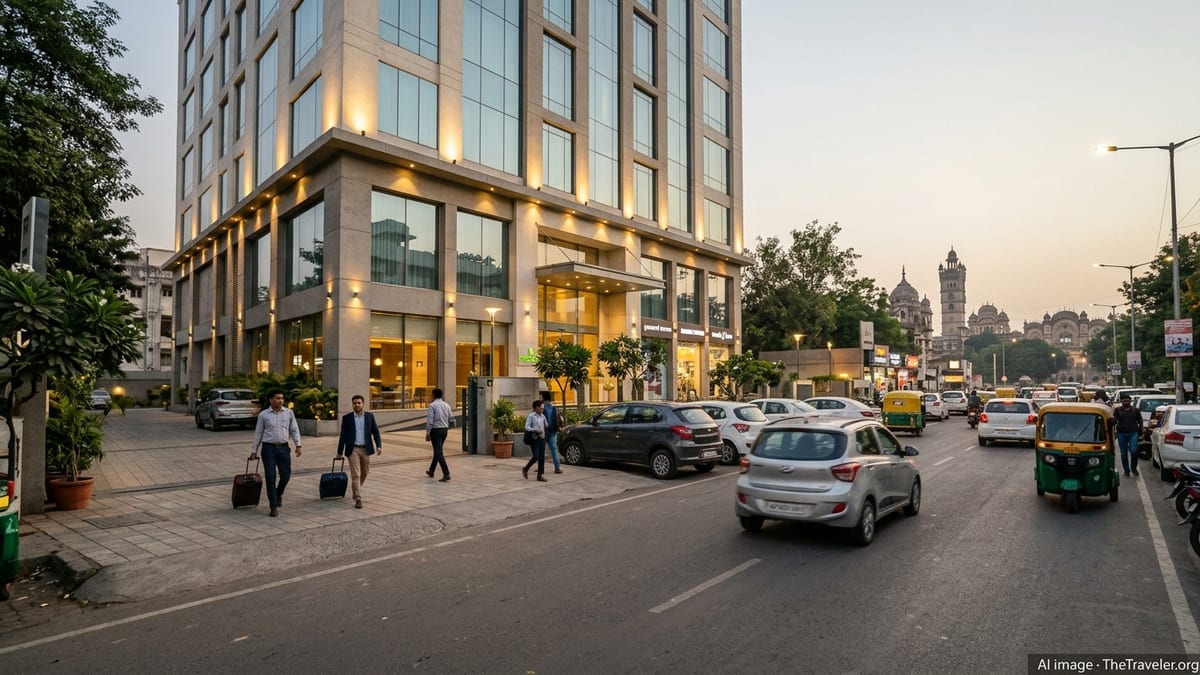
New Lemon Tree Pipeline Puts Spotlight on Vadodara
Publicly available investor material from Lemon Tree Hotels lists a Keys Select by Lemon Tree property in Vadodara, with around 45 rooms and a planned opening in the 2025–26 financial year. The hotel is part of a wider pipeline that includes new signings across Gujarat, from Navsari to Jamnagar and Valsad, underscoring how the brand is deepening its presence beyond the state’s largest metros.
Vadodara already features in online travel discussions as a city where Lemon Tree has become a familiar midscale option, especially for business travellers seeking branded accommodation close to transport corridors. The upcoming Keys Select addition is expected to complement this existing footprint rather than create it from scratch, reinforcing the city’s positioning as a dependable stop on Gujarat’s west–central travel circuit.
Industry observers note that midscale chains such as Lemon Tree have increasingly targeted Tier II business hubs where manufacturing, services and education are expanding faster than luxury demand. With Vadodara’s industrial belt, engineering firms and academic institutions drawing year-round traffic, the new hotel is seen as a move to capture steady occupancy rather than rely solely on seasonal leisure peaks.
Gujarat’s Tourism Numbers Signal a Structural Shift
Recent tourism data for Gujarat highlights the context into which the Lemon Tree expansion fits. State-level figures for 2023–24 indicate more than 18 crore tourist visits, with over 17.5 crore domestic travellers and tens of lakhs of foreign visitors, reflecting a double-digit percentage rise on the previous year. Vadodara features among key business hubs that collectively attracted several crore business tourists, putting it firmly on the state’s high-frequency travel map.
Separately compiled national statistics show Gujarat consistently climbing the rankings for foreign tourist arrivals, with the state emerging as one of India’s top destinations for international visitors by 2023 and holding a leading position into 2024. Analysts attribute this to new attractions such as the Statue of Unity, renewed attention to heritage circuits and focused promotion campaigns that have raised the state’s visibility.
For hotel operators, such numbers translate into a broader base of demand. Business travellers visiting industrial clusters in central and southern Gujarat, pilgrims heading to major temples and heritage sites, and leisure visitors exploring wildlife reserves or coastal stretches collectively sustain occupancy across seasons. Lemon Tree’s choice to expand its portfolio within the state mirrors a wider move by domestic and global chains that are adding rooms in both gateway cities and interior districts.
Connectivity and Urban Investments Lift Vadodara’s Appeal
Vadodara’s growth as a hospitality market is closely tied to its improving connectivity. The city sits on the Ahmedabad–Vadodara Expressway, one of India’s earliest national expressways, which shortens road travel times between the state’s political and commercial centres. Regular rail services and an operational domestic airport give the city multimodal access that appeals to corporates and conference organisers alike.
State investment promotion agencies describe Vadodara as a strategic node within Gujarat’s industrial corridors, benefiting from proximity to major manufacturing belts and logistics routes. Policy documents and economic profiles highlight planned and ongoing development of convention facilities in the city, intended to tap into the fast-growing market for corporate events, exhibitions and meetings.
At the same time, Vadodara’s cultural assets provide a leisure dimension that is increasingly important for destination marketing. The city is home to the expansive Lakshmi Vilas Palace and a cluster of museums and art institutions, giving it a distinctive identity that goes beyond industrial output. As urban upgrades enhance streetscapes and services, hotels that can bridge business and culture are positioned to attract guests who extend work trips into short breaks.
Midscale Brands Anchor Gujarat’s Hospitality Expansion
Across Gujarat, leading brands from global groups to domestic chains are adding properties in cities such as Surat, Rajkot, Bharuch and smaller centres along industrial and pilgrimage routes. Trade publications and corporate filings list new agreements signed by operators including Lemon Tree, Indian Hotels Company’s Ginger brand, Accor and others in locations that were previously dominated by standalone hotels.
The emphasis on midscale and upper-midscale products reflects both pricing realities and traveller expectations. Domestic business travellers and emerging middle-class leisure segments often seek modern rooms, consistent service standards and meeting facilities at accessible rates. In this environment, a Keys Select by Lemon Tree in Vadodara sits in a sweet spot between budget accommodation and full-service upscale hotels.
Developers and asset owners increasingly view franchise and management models with established brands as a way to de-risk investment. Operators bring distribution networks, loyalty programmes and standardised operating procedures, while owners supply local land and capital. Gujarat’s supportive policy stance on tourism, including cinematic tourism initiatives and capital assistance schemes for infrastructure, further sweetens the case for new builds and conversions.
Vadodara’s Role in Gujarat’s Bid for Tourism Supremacy
As Gujarat positions itself not just as an industrial powerhouse but also as a tourism and meetings destination, cities like Vadodara are emerging as critical anchors. Visitor data showing several tens of lakhs of business travellers to the city in a single financial year indicates that it is already functioning as a major gateway within the state’s tourism ecosystem, even when leisure tourism dominates public narratives.
The planned Lemon Tree hotel adds to a growing roster of branded properties that can collectively raise service benchmarks and capacity. Industry analyses frequently note that when multiple quality hotels cluster in a city, they make it more attractive for large conferences, cultural festivals and sporting events, which in turn create additional demand for rooms, restaurants and local experiences.
For Gujarat, the combination of strong domestic tourism momentum, rising foreign arrivals and a thickening map of branded hotels supports ambitions to climb further up India’s tourism league tables in the coming years. For Vadodara, the Lemon Tree pipeline project is less an isolated opening and more a visible marker of the city’s shift from secondary stop to central player in the state’s evolving tourism story.