

More news on this day
Travel on Peru’s busiest domestic air corridor between Lima and Cusco has been hit by a wave of cancellations affecting multiple LATAM-operated LAN and LPE services, causing widespread disruption for residents, business travelers and visitors heading to Machu Picchu.
Get the latest news straight to your inbox!
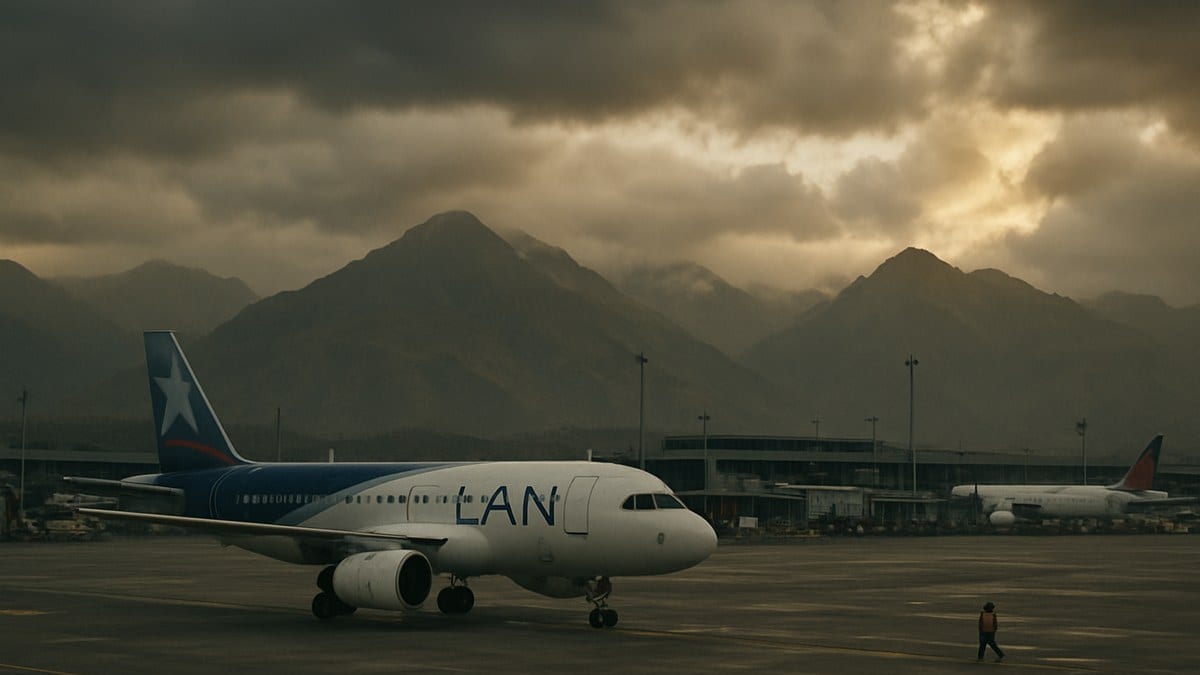
Image by nomadlawyer.org
Key Lima–Cusco Services Abruptly Withdrawn
Recent operational data and traveler reports indicate that at least six LAN and LATAM Peru (LPE) flights on the Lima–Cusco route have been cancelled or temporarily removed from schedules over the past several days. The affected services include a mix of morning and mid‑day departures in both directions, traditionally among the most in‑demand time slots for tourists with onward connections and for local travelers relying on same‑day returns.
Published coverage suggests that the cancellations form part of a broader pattern of short‑notice schedule changes across Peru’s domestic network, with the high‑altitude Lima–Cusco shuttle bearing the brunt. While some flights have been merged or retimed, others have disappeared entirely from booking platforms, leaving limited alternatives for passengers holding tickets on the original services.
Publicly available timetables show that the majority of the disrupted flights are branded as LATAM Airlines but operate under the legacy LAN and LPE codes that still appear in several booking systems. This has contributed to confusion among travelers, some of whom report only learning of the changes when attempting online check‑in or arriving at the airport.
Industry observers note that the Lima–Cusco route is particularly sensitive to any reduction in capacity because it serves as the primary air bridge between Peru’s capital and the country’s main gateway to the Sacred Valley and Machu Picchu. Even a short sequence of cancellations can quickly cascade into full flights and sharply higher last‑minute fares.
Operational Pressures Behind the Disruptions
A combination of operational and environmental pressures appears to be driving the latest wave of cancellations. Cusco’s Alejandro Velasco Astete International Airport sits in a mountain valley where rapidly changing weather, especially low clouds and afternoon storms, can force airlines to reduce or suspend operations. Local aviation briefings regularly warn that conditions on approach can deteriorate quickly, prompting conservative safety margins and, at times, route‑wide delays.
Airline schedule data and previous seasons’ performance indicate that carriers often concentrate Lima–Cusco operations in the morning, when weather tends to be more stable. Once early flights are delayed or cancelled, aircraft and crew rotations can become misaligned for the rest of the day, particularly for airlines that run tight turnarounds on narrow‑body fleets serving multiple domestic destinations from Lima.
In addition to weather and airport constraints, broader systemic issues are putting strain on Peru’s aviation network. The country has been managing overlapping challenges in infrastructure, energy supply and public health, which can indirectly affect airport operations, staffing levels and contingency planning. Analysts note that when margins are thin, carriers are more likely to consolidate lightly loaded flights or cancel frequencies that prove difficult to operate reliably.
LATAM’s most recent financial and operational disclosures highlight its intention to grow regional capacity, but they also stress the company’s focus on cost control and network optimization. In practice, this can translate into rapid adjustments on domestic routes such as Lima–Cusco when demand, weather or operational resilience diverge from forecast assumptions.
Impact on Tourists and Local Travelers
The sudden loss of multiple LAN and LPE flights on the Lima–Cusco corridor is having a pronounced impact on both international tourists and residents who depend on the route for work, family visits and access to services concentrated in the capital. Travel forums and social media posts describe families missing long‑haul connections, tour groups scrambling to rearrange Machu Picchu itineraries, and solo travelers facing unexpected overnight stays in Lima or Cusco.
Several travelers report that same‑day rebooking options are limited once a cluster of flights is cancelled, particularly in peak months when advance demand for seats to and from Cusco is already strong. In some cases, passengers have turned to competing carriers, only to find those flights sold out or priced significantly higher at the last minute. Others describe resorting to ground transport over long distances, extending journeys by many hours.
Domestic passengers are also feeling the effects. Business travelers who rely on early‑morning departures from Cusco to attend meetings in Lima and return the same evening report increased uncertainty and a higher risk of being stranded. For residents of Cusco and the surrounding region, fewer reliable air links to the capital can complicate access to specialized medical care, administrative procedures and international travel that must route through Lima.
Local tourism operators warn that persistent schedule instability, even if affecting only a fraction of total flights, can erode confidence among visitors planning trips months in advance. With Machu Picchu and Cusco central to Peru’s tourism identity, any perception that the air bridge between the capital and the Andes is unreliable may influence travelers’ decisions when comparing destinations.
Guidance for Passengers on Affected Routes
Consumer organizations and seasoned travelers are sharing practical guidance for those booked on Lima–Cusco flights in the coming days. A common recommendation is to monitor flight status frequently through airline apps and airport information screens, rather than relying solely on original booking confirmations. Because some cancellations and retimings are being implemented close to departure, early awareness can increase the chances of securing alternative arrangements.
Travel planning resources advise booking the earliest available departures in either direction when possible, as morning flights traditionally face fewer weather‑related disruptions in Cusco’s valley setting. Passengers making same‑day international connections in Lima are encouraged to build in generous buffer times or consider overnighting in the capital before onward long‑haul flights.
Those whose flights are cancelled are generally entitled to options such as rebooking on the next available service, rerouting on partner airlines or, in some cases, refunds, according to publicly available airline policies. Travel experts suggest documenting all communications, keeping receipts for hotels and meals, and checking whether comprehensive travel insurance offers additional coverage for delays and cancellations on domestic segments.
Travel forums also highlight the importance of having a backup plan for reaching Cusco and surrounding attractions. Some visitors are exploring alternative arrival airports in southern Peru combined with rail or road connections, while others are adjusting itineraries to spend extra time in Lima if an onward domestic flight cannot be secured on the planned date.
Outlook for the Lima–Cusco Corridor
Despite the current disruption, aviation analysts point out that the Lima–Cusco air corridor remains one of South America’s most strategically important domestic routes, with strong structural demand driven by tourism and local mobility. As the peak travel season approaches, airlines are expected to refine schedules and, where feasible, add capacity to capture pent‑up demand.
Infrastructure developments are also on the horizon. Plans for a new international airport serving the Cusco region have been promoted as a long‑term solution to the operational limitations of the existing facility, although timelines and broader environmental considerations remain a subject of public debate. Until additional infrastructure is in place, carriers operating the Lima–Cusco shuttle will continue to face the combined challenges of high altitude, variable weather and tight scheduling.
In the near term, observers will be watching closely to see whether the recent series of cancellations involving LAN and LPE services proves to be a short‑lived episode or the start of a more sustained pattern of capacity adjustments on the route. The performance of Peru’s flagship domestic corridor in the coming weeks is likely to influence traveler sentiment, tourism recovery trajectories and airline network strategies across the wider region.
For now, travelers heading to or from Cusco are being advised to stay flexible, plan conservatively and keep a close eye on flight information as conditions evolve, particularly where itineraries hinge on specific Lima–Cusco departures that have recently shown increased vulnerability to disruption.