

More news on this day
Lima, Peru’s sprawling Pacific capital, is drawing growing international attention as a destination where centuries of history, a dynamic contemporary art scene and globally acclaimed cuisine intersect in the same city blocks.
Get the latest news straight to your inbox!
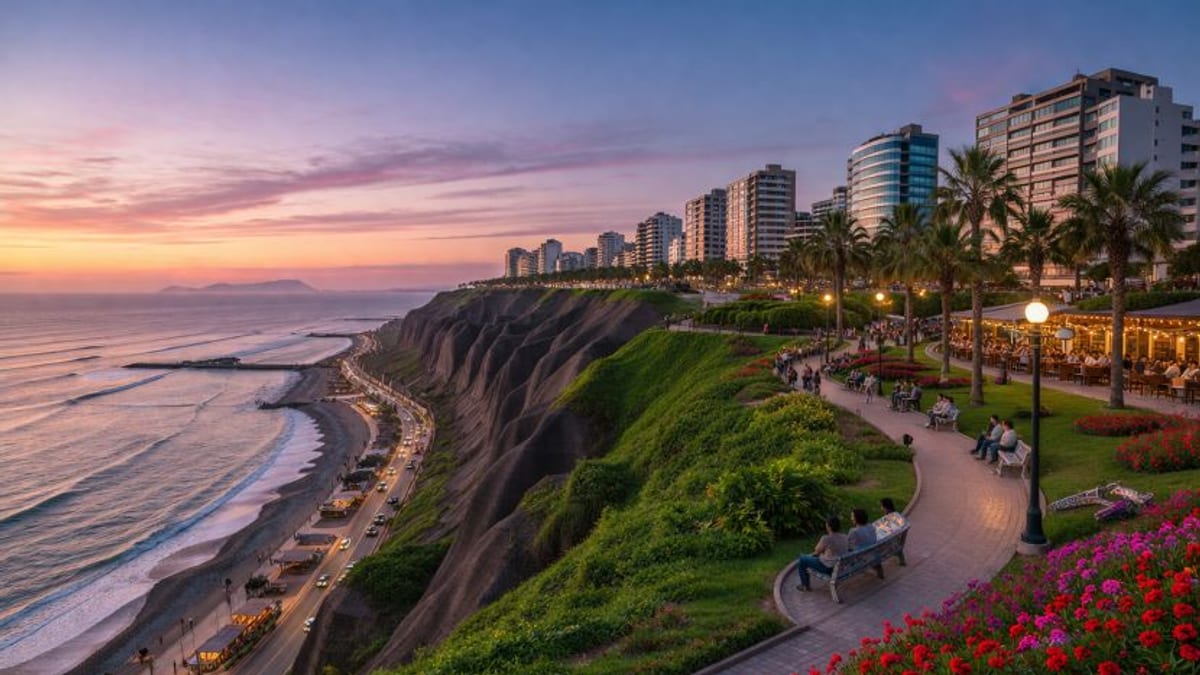
Image by Travel And Tour World
A Historic Capital Recasting Its Urban Core
The Historic Centre of Lima, recognized as a UNESCO World Heritage Site, remains the city’s most visible link to nearly five centuries of colonial and republican history. Church towers, balconied mansions and administrative buildings trace their origins to the 16th century, when Lima emerged as the nerve center of Spanish power along the Pacific. Recent conservation reports and state of conservation reviews highlight both the architectural richness of this core and the pressure that modernization, traffic and informal commerce place on its fragile building stock.
Publicly available information from heritage organizations describes ongoing efforts to balance preservation with the needs of a growing metropolis. Programs focused on restoring religious complexes, upgrading public spaces and improving housing stock in historic corridors are intended to keep residents in the center, rather than turn it into a museum district emptied of local life. Urban planners also point to new mobility initiatives and pedestrianization schemes around plazas as part of a broader strategy to make the World Heritage area more accessible and resilient.
For visitors, this means that the classic circuit of the Plaza Mayor, the Cathedral, the Monastery of San Francisco and surrounding streets is increasingly framed by upgraded lighting, security and interpretive signage. At the same time, conservation specialists warn that seismic risk, air pollution and unregulated alterations continue to pose challenges, keeping Lima’s historic center on the radar of international monitoring bodies.
Beyond the core, the city’s archaeological heritage surfaces in unexpected places. Coastal huacas such as Huaca Pucllana rise among apartment blocks in modern districts, underscoring how Lima’s pre-Hispanic and colonial layers share the same urban footprint and inviting a deeper reading of the landscape than a quick stroll along the Malecón might suggest.
Museums and Art Fairs Anchor a Contemporary Cultural Scene
Lima has steadily consolidated its role as Peru’s main hub for museums and galleries, concentrating a significant share of the country’s cultural infrastructure. A recent review of Ibero-American cultural indicators notes that the capital manages dozens of museums and cultural centers, positioning it as a reference point for regional initiatives that link creativity, innovation and urban regeneration. Institutions have increasingly adopted new technologies, digital archives and educational programs to reach broader audiences.
The Museo de Arte de Lima, housed in a former exposition palace just south of the historic center, is frequently cited as the country’s leading fine arts institution. Its collection spans more than 3,000 years of artistic production, from pre-Columbian ceramics to contemporary installations, and recent coverage highlights an active schedule of temporary exhibitions and research projects. Renovation and expansion plans at the Museo Nacional de Arqueología, Antropología e Historia del Perú, located in the Pueblo Libre district, are scheduled to culminate in the coming years, with the goal of modernizing displays and improving public access to what is often described as the “memory of the nation.”
Parallel to the museum network, Lima’s calendar of cultural events continues to grow. Pinta Lima, billed in specialized art media as the country’s only contemporary art fair, is preparing its thirteenth edition with a program aimed at showcasing diverse Latin American practices to local and international collectors. Film and audiovisual culture also feature prominently, with the Lima Film Festival and experimental events such as the MUTA Festival of Audiovisual Appropriation using hybrid on-site and online formats to expand their reach since 2023.
These platforms have supported the wider recognition of Peruvian artists, including those from Amazonian and Andean communities whose work is now entering major international collections. Recent cultural reporting notes, for example, that Amazonian painters and textile artists are increasingly visible in curatorial programs in Lima, reflecting a broader reassessment of Indigenous contributions to national art history.
World-Leading Restaurants Power a Culinary Boom
Peru’s capital has for years been central to the country’s global gastronomic reputation, and recent rankings confirm Lima’s continued rise. In 2025, Maido, a restaurant in the Miraflores district known for its Nikkei style that blends Peruvian and Japanese traditions, was named the World’s Best Restaurant by the influential World’s 50 Best Restaurants list. Coverage in international food and travel media emphasizes Maido’s long trajectory, from its opening in 2009 to repeated appearances at the top of both global and Latin American rankings.
Maido’s recognition follows the 2023 triumph of Central, also in Lima, which previously held the title of the world’s best restaurant and brought wider attention to tasting menus inspired by Peru’s ecosystems and altitudes. Other Lima venues such as Kjolle and Mayta regularly appear in global and regional lists, and tourism-focused reports note that these high-profile establishments sit alongside a dense network of bistros, traditional cevicherías and neighborhood huariques that together sustain the city’s culinary identity.
Analyses published in gastronomy journals and destination reports attribute Lima’s appeal to centuries of cultural exchange that combined Indigenous ingredients, Spanish techniques, African influences and later Chinese and Japanese migrations. The result is a landscape where dishes based on native potatoes, ají peppers and coastal seafood coexist with chifa (Chinese-Peruvian) and Nikkei offerings, as well as contemporary tasting menus that foreground biodiversity and sustainability. Food tours and cooking classes have grown in tandem, framing the city’s markets and street food as essential stops for international visitors.
Economic data from tourism observers indicate that Peru surpassed four million international visitors in 2025, with Lima serving as the main gateway. While not all travelers come primarily for gastronomy, industry briefings consistently position the city’s restaurant scene as a decisive factor in destination choice, reinforcing official branding that presents Peru as a culinary powerhouse.
Neighborhoods Where Culture and Coastline Meet
Lima’s appeal as a city of history, art and cuisine is grounded not only in marquee sites but also in the atmosphere of its coastal neighborhoods. Miraflores, with its clifftop parks and Pacific views, has long attracted hotels, cafes and restaurants that cater to both locals and visitors. Publicly available travel guides describe a district where contemporary galleries, design shops and performance venues sit within walking distance of pre-Hispanic ruins and seaside promenades.
To the south, Barranco maintains its reputation as Lima’s bohemian quarter, a former seaside resort that now hosts some of the capital’s most talked-about bars, live-music spaces and small museums. Street art tours, independent galleries and cultural centers occupy restored republican houses, while the iconic Puente de los Suspiros and adjacent viewpoints remain focal points for evening strolls. Urban culture studies point to Barranco as an example of how creative industries can contribute to neighborhood revitalization when paired with heritage conservation.
Emerging districts are adding further layers to this mosaic. Parts of the central Cercado and the port city of Callao, historically separated from tourist itineraries, have seen new mural projects, cultural hubs and gastronomic ventures that aim to connect residents with visitors through walking routes and open-air events. Initiatives that reimagine walls as canvases and public spaces as stages are increasingly referenced in regional cultural policy discussions as models of community-driven urban improvement.
For travelers, these shifts translate into itineraries that move fluidly between the colonial core, museum districts, Pacific cliffs and experimental galleries, often within a single day. Lima’s mix of historical gravitas and contemporary energy is helping it stand out in a competitive field of Latin American city destinations, with recent coverage in international outlets framing it as a place where the past is not simply preserved but actively reinterpreted through art and food.
Balancing Growth With Cultural Stewardship
As Lima’s profile rises, debates inside and outside Peru increasingly focus on how the city can manage growth while safeguarding its cultural assets. Heritage assessments for the Historic Centre have stressed the importance of clear planning rules, adequate funding and community participation to address structural decay and inappropriate alterations. Seismic vulnerability and the impacts of traffic, advertising and informal construction remain central concerns for conservationists.
In the cultural sector, curators and researchers are paying closer attention to issues of representation and access, seeking to ensure that the benefits of the art and gastronomy boom extend beyond a small circle of institutions and high-end restaurants. Programs that bring exhibitions into public schools, support artists from peripheral districts and promote traditional food producers are increasingly referenced in cultural policy reports as part of a more inclusive model.
Tourism strategies, meanwhile, are evolving to highlight thematic routes that distribute visitors across lesser-known neighborhoods and sites, reducing pressure on flagship attractions while extending economic opportunities. Analysts note that such diversification could help Lima consolidate its status as a city where history, art and culinary innovation are not isolated attractions but interconnected parts of an urban fabric that continues to adapt to regional and global currents.