

More news on this day
Even as global cruise bookings set fresh records for 2026, a small group of ocean liners remains conspicuously idle, with at least 11 cruise ships still out of service in ports and anchorages around the world.
Get the latest news straight to your inbox!
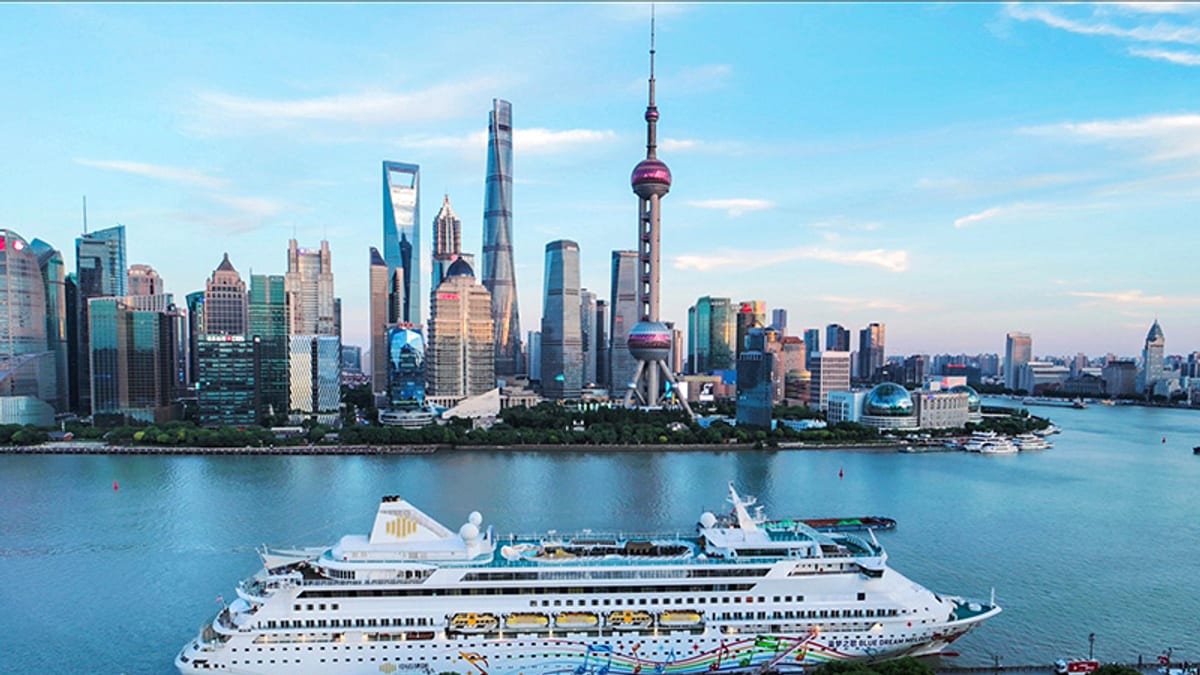
Image by Cruise Industry News | Cruise News
A Shrinking but Stubborn Post-Pandemic Backlog
The cluster of out-of-service ships is a remnant of the pandemic-era shutdown, when dozens of vessels were laid up for months at a time. Industry coverage in late 2025 and early 2026 shows that most of those hulls have now either reentered service, been sold for alternative uses or gone for recycling, yet a residual “limbo fleet” persists.
Trade publications and ship-tracking reports point to a small but diverse roster of vessels that have not carried paying passengers for months or years. Some are older cruise ships awaiting buyers or redevelopment projects that have moved slowly. Others are relatively modern ships whose deployment has been complicated by regional demand shifts, brand restructurings or overcapacity in specific markets.
Analysts note that the number of laid-up cruise ships today is far below the peak seen during the shutdown years, and that the parked tonnage represents only a fraction of global capacity. Still, the persistence of these idle ships highlights how uneven the sector’s recovery remains, with strong demand for new, efficient vessels contrasted against lingering uncertainty over what to do with aging or orphaned tonnage.
Several of the sidelined ships have changed owners or concepts multiple times since 2020, illustrating the difficulty of finding sustainable long-term roles for hardware that no longer aligns with mainstream brands’ fleet plans.
Older Vessels Struggle to Find a Second Life
A significant portion of the out-of-service fleet consists of ships built in the late twentieth century, many of which were once workhorses for major North American and European brands. Publicly available vessel histories show that some of these ships were sold to secondary operators or investment groups that considered hotel conversions or niche cruises, but those plans have advanced slowly or stalled.
Industry lists of inactive tonnage compiled through 2024 and 2025 repeatedly reference classic mid-size ships that have been moored for extended periods in European ports. Observers point out that these vessels often lack the balcony-heavy cabin layouts and fuel-efficient propulsion systems that modern cruise customers and operators now expect. Retrofitting them to current environmental and safety standards can be costly, especially when compared with ordering newbuilds.
In several cases, the ships’ age and design have led to speculation that long-term layup is simply a prelude to scrapping. Recycling yards in Turkey and South Asia have already handled a wave of former mainstream cruise liners over the past few years, and maritime reports suggest that more could follow if charter or sale prospects do not improve.
For port communities hosting these idle ships, the economic impact is mixed. While layups generate some local spending on basic maintenance and services, they do not bring the steady stream of passengers, crew spending and tour bookings associated with active cruise calls.
Newer Ships Caught in Market Realignment
The limbo fleet is not made up only of older vessels. Coverage in cruise trade media also highlights several comparatively recent builds that remain out of regular service while brands recalibrate their growth plans. These include ships acquired or completed just before the pandemic, at a time when order books were expanding rapidly and projections for demand were more aggressive.
In some instances, ships that were intended for one brand or region have been left waiting while owners revisit deployment strategies. Reports describe vessels effectively ready for operation, yet sailing without passengers or operating only sporadic positioning voyages as companies weigh the costs of introducing additional capacity into crowded markets.
Observers note that overcapacity concerns are particularly acute in certain Mediterranean and Asia-Pacific trades, where new ships are still scheduled to enter service through 2026 and beyond. This pipeline leaves little room for marginal or misaligned vessels, which can find themselves parked indefinitely while their owners seek charters, sales or reconfigurations.
The result is a curious split-screen image of the industry: shipyards delivering cutting-edge megaships and upscale expedition vessels, while a handful of relatively young ships sit idle, waiting for a clear commercial role.
Environmental Regulations and Retrofit Economics
Environmental standards are another key factor keeping some ships on the sidelines. Tougher emissions rules in Europe and around major port cities have raised the bar for what constitutes an economically viable cruise vessel. Ships lacking exhaust gas cleaning systems, shore power connections or more efficient engines may require extensive and expensive upgrades to continue operating in key markets.
Industry analyses published in 2024 and 2025 emphasize that retrofit decisions are highly case-specific, balancing projected earnings against multi-million-dollar investments in new technology. For smaller or older ships, the math can be unforgiving, particularly when brands are simultaneously investing heavily in new, more efficient tonnage.
Some owners have explored repositioning older ships to regions with less stringent regulations. However, that strategy is constrained by port infrastructure, local demand and geopolitical considerations. In practice, the easiest options for many marginal ships have been long-term layup while owners monitor market conditions, or eventual recycling once values justify a sale to breakers.
Environmental considerations extend beyond emissions. Public scrutiny of the cruise sector’s footprint has increased, and reports indicate that brands are wary of redeploying ships that could be seen as lagging behind newer vessels on sustainability metrics. Maintaining a modern, greener image has become part of the commercial calculus.
What the Limbo Fleet Signals for Travelers
For travelers, the existence of a limbo fleet is largely invisible on a day-to-day basis, but it indirectly shapes the options on offer. With older or misaligned ships set aside, brands are concentrating itineraries on newer vessels with more amenities and stronger onboard spending potential. This can translate into higher average fares but also a more consistent product.
At the same time, reports on capacity planning suggest that companies are being more cautious about rapid expansion than they were before 2020, preferring steady, profitable growth over sheer ship count. The presence of idle tonnage is one reminder of the risks associated with overshooting demand or misjudging regional markets.
For ports and coastal communities, the future of these 11 out-of-service cruise ships remains a closely watched subplot. A sale to a new operator can revive cruise calls and associated tourism, while a voyage to the scrapyard ends that possibility but clears space for newer ships. Each outcome carries different implications for local jobs, suppliers and shore-excursion businesses.
As 2026 progresses, industry observers expect the limbo fleet to shrink further, whether through reactivation, repurposing or recycling. Yet the story of these remaining idle ships underscores how long the aftereffects of the shutdown and subsequent market shifts can linger, even as the broader cruise business sails into a period of renewed growth.