

More news on this day
Lisbon has emerged as the cheapest European capital for a five-star city break for UK holidaymakers, with new cost comparisons showing that luxury hotels, upscale dining and cultural attractions in the Portuguese capital undercut many rival hotspots across the continent.
Get the latest news straight to your inbox!
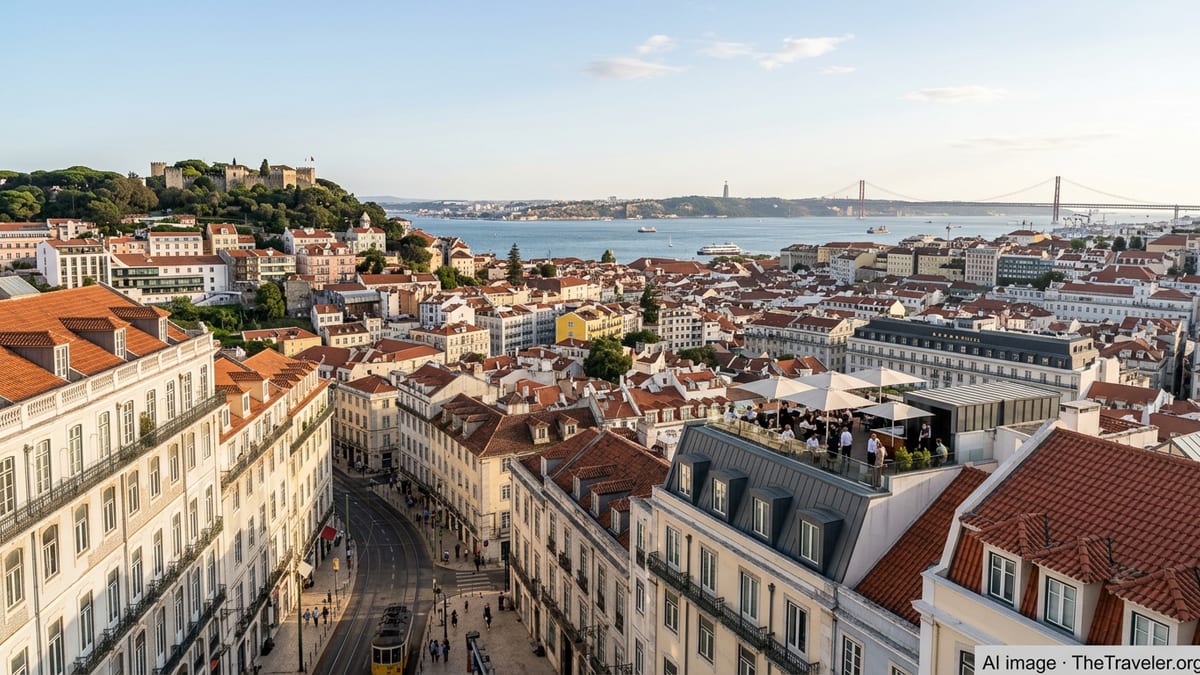
Price comparisons put Lisbon at the top for luxury value
Recent research into European city break costs indicates that Lisbon currently offers the lowest average prices for five-star accommodation among major capital city destinations popular with UK travellers. While overall hotel rates have edged up in line with wider European trends, publicly available data on average daily rates shows that Lisbon’s top-end properties remain markedly cheaper than similar hotels in cities such as Paris, Amsterdam or Rome.
Travel money reports and city break barometers produced for the UK market have consistently identified Portugal as a standout value destination, with Lisbon and Porto ranking among the cheapest options in Western Europe for short stays. Analysts note that even when travellers opt for premium experiences, from luxury hotels to higher-end restaurants, typical daily spend in Lisbon still compares favourably with many northern European and Mediterranean competitors.
For UK tourists planning a two or three night escape, this price gap can be significant. Package comparisons suggest that total costs for a five-star weekend in Lisbon, including accommodation, meals and local transport, often come in well below equivalent itineraries in more expensive hubs, while still providing access to historic neighbourhoods, waterfront views and a growing roster of design-led hotels.
Currency movements have also helped. Sterling has broadly held up against the euro compared with recent years, and combined with relatively competitive room rates, industry observers say that Lisbon now occupies a “sweet spot” for travellers seeking upgrade-style stays without the premium price tag found in other European capitals.
Five-star stays without five-star price shock
The Portuguese capital has spent the past decade steadily growing its luxury hotel offering, with a wave of refurbished heritage buildings, boutique five-star properties and international brands opening across central districts. Despite that upgrade in quality, pricing at the top end has remained restrained compared with other major city break destinations.
Hotel performance figures for Lisbon show that revenue per available room and average daily rates for three, four and five-star properties have been rising, but from a lower base than in some rival cities. Industry reports indicate that the city has deliberately expanded capacity, adding rooms across categories, which has helped to prevent the sharp spikes seen in destinations with tighter supply.
For visitors, the result is a broad choice of five-star options that still feel attainable. In popular areas such as Avenida da Liberdade, Chiado and around the historic Baixa, UK travellers can often find high-end rooms at nightly rates that would secure only mid-range accommodation in more expensive capitals. Many of these hotels also bundle extras such as spa access, rooftop pools or generous breakfasts, further enhancing perceived value.
Travel agents and tour operators report strong demand for Lisbon among customers seeking a “treat” weekend or special-occasion trip on a controlled budget. Dynamic packaging, early booking discounts and shoulder-season offers have made it possible for UK holidaymakers to secure stylish city-centre bases while keeping overall costs below those of rival luxury city breaks.
Dining, culture and transport that stretch the holiday budget
Lisbon’s appeal for value-conscious luxury travellers extends beyond hotel rates. Price comparisons show that meals, café culture and everyday holiday spending remain comparatively modest, particularly away from the most touristy streets. A mix of traditional tascas, contemporary bistros and Michelin-recognised restaurants allows visitors to upgrade their dining without facing the bills typical of some northern European capitals.
Local transport is another budget-friendly aspect. The city’s network of trams, metro lines, funiculars and commuter trains offers inexpensive access to viewpoints, waterfront districts and nearby coastal resorts such as Cascais and Estoril. This makes it easier for UK visitors to explore widely without relying on costlier taxis or private transfers, even when staying in higher-end hotels.
Many of Lisbon’s signature attractions, from historic monasteries and castles to modern riverside museums and street art districts, are either free to wander or priced at levels that undercut equivalents in other major capitals. Combined passes and city cards can further reduce the cost of museum entries and public transport, adding to the sense that money stretches further here than in many competing luxury city break destinations.
Observers note that this balance between premium experiences and moderate day-to-day costs is a key factor behind Lisbon’s top ranking for value. UK tourists can upgrade elements of their break, whether that means booking a suite, fine dining tasting menu or private tour, while still keeping the overall budget under control by taking advantage of reasonably priced local food, public transport and affordable or low-cost cultural sights.
Strong demand from UK market underpins Lisbon’s growth
Official visitor statistics for Lisbon show that the United Kingdom remains one of the city’s most important international source markets. Recent tourism performance reports list British travellers among the top five nationalities staying in Lisbon’s hotels, reflecting the strength of air links, cultural familiarity and the popularity of short breaks from the UK.
Air connectivity has been a decisive factor. Multiple airlines operate direct services from London and regional airports to Lisbon throughout the year, with additional capacity in peak seasons. Flight times of around two and a half hours place the Portuguese capital comfortably within weekend-break range, and competition on these routes often keeps fares relatively competitive compared with longer-haul sunshine or city break alternatives.
Tourism analysts point out that many UK travellers are now looking for “affordable luxury” rather than either bare-bones budget or ultra-high-end trips. Lisbon’s combination of high-quality hotels, award-winning city-break credentials and manageable prices have positioned it squarely in this segment. Marketing campaigns over the past decade have repeatedly highlighted the city as a stylish yet attainable getaway, reinforcing its reputation as a place where visitors can “trade up” without overspending.
As UK consumers continue to weigh value more carefully in the face of higher living costs at home, destinations that can offer high perceived quality for the price are expected to stand out. Industry commentary suggests that Lisbon’s current positioning as the cheapest five-star city break option for UK tourists is likely to support further demand, particularly among couples, groups of friends and short-notice weekend travellers.
Balancing high-value tourism with local pressures
Lisbon’s success as a good-value luxury destination forms part of a broader shift in the city’s tourism strategy towards higher-yield, longer-staying visitors. Reports from local tourism bodies highlight a focus on “value over volume,” encouraging spending in quality accommodation, gastronomy and cultural activities while attempting to manage the impact of rising visitor numbers on residential neighbourhoods.
The growth in high-end hotels and premium city-break demand has coincided with concerns about housing affordability and pressure on central districts. Commentary in Portuguese and international media has drawn attention to tensions between short-term tourism lets, hotel development and local residents, particularly in traditional areas that have seen rapid change.
In response, policymakers have introduced or adjusted regulations on short-term rentals and sought to direct investment towards more sustainable forms of tourism, including business events, cultural festivals and off-season travel. Observers say that maintaining Lisbon’s reputation as a relatively affordable luxury destination for visitors will depend in part on how successfully the city manages these pressures while continuing to improve services and infrastructure.
For now, however, the combination of competitive five-star prices, culinary and cultural richness, and strong air links from the UK keeps Lisbon firmly in the spotlight for British travellers looking for a city break that feels indulgent without abandoning the budget.