

More news on this day
Local fuel suppliers at four Italian airports have stepped in to stabilize jet fuel availability after initial rationing notices sparked concern about possible flight disruptions across Italy’s busy Easter travel period.
Get the latest news straight to your inbox!
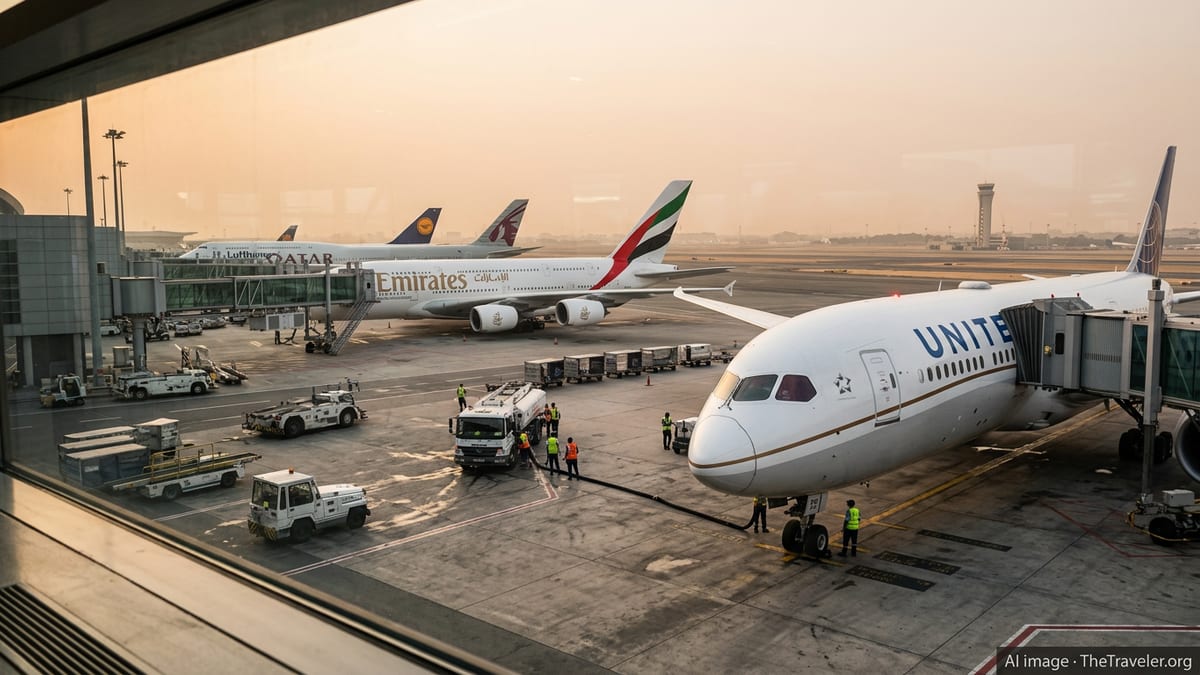
Rationing Notices Spark Fears of Widespread Disruption
Reports in recent days indicated that distribution limits on jet fuel were introduced at the airports of Bologna, Milan Linate, Treviso and Venice, following a bulletin from major supplier Air BP Italia that capped refuelling until at least 9 April. The move coincided with a surge in holiday traffic and growing anxiety over global supply chains, prompting airlines to review refuelling plans and, in some cases, schedule precautionary diversions.
Publicly available information shows that the four airports initially faced tighter allocations rather than a complete loss of fuel. Notices to airmen detailed “limited availability” of Jet A1, with priority for essential operations such as medical, government and longer haul flights. Shorter intra-European services were encouraged to uplift fuel at alternative airports to reduce pressure on constrained stocks.
International coverage of the restrictions quickly raised the specter of a broader European aviation bottleneck linked to Middle East tensions and elevated oil prices. Analysts cited higher jet fuel benchmarks and shipping uncertainties as key factors behind tighter inventories, even as headline fuel reserves across Europe remained relatively comfortable on paper.
Despite the alarm, operators of the affected airports stressed that terminals were open and passenger operations were continuing, albeit with additional planning for airlines and ground handlers. The main concern was the risk that rationing at a few hubs could trigger knock-on effects elsewhere if carriers began rerouting large numbers of flights in search of more plentiful supplies.
Local Suppliers Step In to Bolster Onsite Stocks
According to published coverage from Italian and regional outlets, local fuel providers operating alongside Air BP at the four airports expanded deliveries and storage drawdowns in recent days, helping to offset the stricter allocations imposed by the multinational supplier. These firms, which typically hold a smaller share of the market during normal periods, became critical in maintaining regular turnaround times for many carriers.
Statements from airport management groups cited in local media emphasized that the issue related largely to one supplier and that other companies at the same airports continued to serve the majority of airlines. This diversified supply base allowed ground operations teams to reassign fuelling contracts on short notice, reducing the need for aircraft to land elsewhere primarily to top up tanks.
Industry commentary suggests that some carriers were able to switch to alternative providers within the same airport, while others adjusted fuel uplift patterns across their networks. By tankering additional fuel into the four airports from less affected locations, airlines further eased the immediate pressure on local storage.
These combined measures meant that, while warning notices and capacity caps remained in place, the feared wave of cancellations and mass delays did not materialize to the extent initially anticipated. Instead, disruptions were generally limited to schedule tweaks and longer ground handling times for selected flights.
Ripple Effects Across Italy’s Airport Network
The rationing at Bologna, Milan Linate, Treviso and Venice nonetheless had visible knock-on effects at other Italian airports. Several carriers reportedly used secondary airports as refuelling points, increasing traffic at regional hubs that still had more comfortable fuel stocks. In at least one case, coverage from Italian news agencies described local reserves being drawn down quickly after multiple aircraft from rationed airports arrived to take on extra fuel.
As these imbalances emerged, smaller facilities had to manage their own risk of shortages by tightening allocations or issuing updated notices. Airport authorities highlighted the importance of coordinated planning between operators, suppliers and carriers to prevent a localized constraint from cascading into a nationwide problem.
The situation also underlined how concentrated holiday travel patterns can amplify supply issues. The convergence of Easter peak demand, high jet fuel prices and concerns over maritime routes contributed to a scenario in which even temporary supplier-specific constraints required a swift response across Italy’s aviation system.
While no major airport closures were reported, travel advisories urged passengers to monitor airline communications closely and allow extra time at the airport in case of last minute gate or schedule changes linked to fuelling logistics.
Global Energy Tensions Frame Local Challenges
The turbulence in Italy’s aviation fuel market comes against a backdrop of global energy tensions, with trade flows of crude and refined products from the Middle East under increasing strain. International analyses describe jet fuel as particularly exposed, given its reliance on specific refinery configurations and long distance shipping routes.
European-focused reports note that, although aggregate jet fuel stocks in Italy are relatively higher than in some other countries, localized airport bottlenecks can still occur when a single supplier experiences constraints or when airlines converge on particular hubs to refuel. These dynamics can be intensified by rapid price movements, which influence the economics of where and when carriers choose to take fuel on board.
Market observers point out that suppliers are looking to alternative sources, including refineries in the United States and other regions, to replace disrupted Middle Eastern volumes. However, such shifts take time to materialize in physical deliveries to storage farms serving individual airports, leaving a window in which temporary rationing and local imbalances are more likely.
For Italy’s tourism dependent regions, the episode highlights the sensitivity of air connectivity to developments in global energy markets that may seem distant from the country’s main coastal and cultural destinations.
Travelers Urged to Plan Ahead but Avoid Panic
Travel industry guidance currently characterizes the situation at the four Italian airports as manageable, though subject to change if global supply pressures worsen. Airlines have advised passengers to keep an eye on booking channels and flight status alerts, particularly for journeys transiting Bologna, Milan Linate, Treviso and Venice over the coming days.
Consumer advocates recommend that travelers review ticket conditions and consider flexible arrangements, such as changeable fares or travel insurance that covers fuel related disruptions. At the same time, they caution against overreacting, noting that most scheduled flights are still operating and that local suppliers have so far helped avert the most severe scenarios.
For now, the combination of diversified fuel providers, adjusted airline operations and careful management of airport stocks appears to have stabilized conditions. The experience is likely to feed into future contingency planning for both Italian authorities and airport operators across Europe, as the aviation sector adapts to a more volatile jet fuel landscape.