

Local transport in India has transformed rapidly in the last decade, blending traditional modes like auto-rickshaws with expanding metro networks and a fast-growing ecosystem of ride-hailing apps. For travelers, this mix can feel both exhilarating and confusing. Understanding how these systems work, how they are regulated, and how to use them safely and affordably will make moving around Indian cities far easier and more enjoyable.
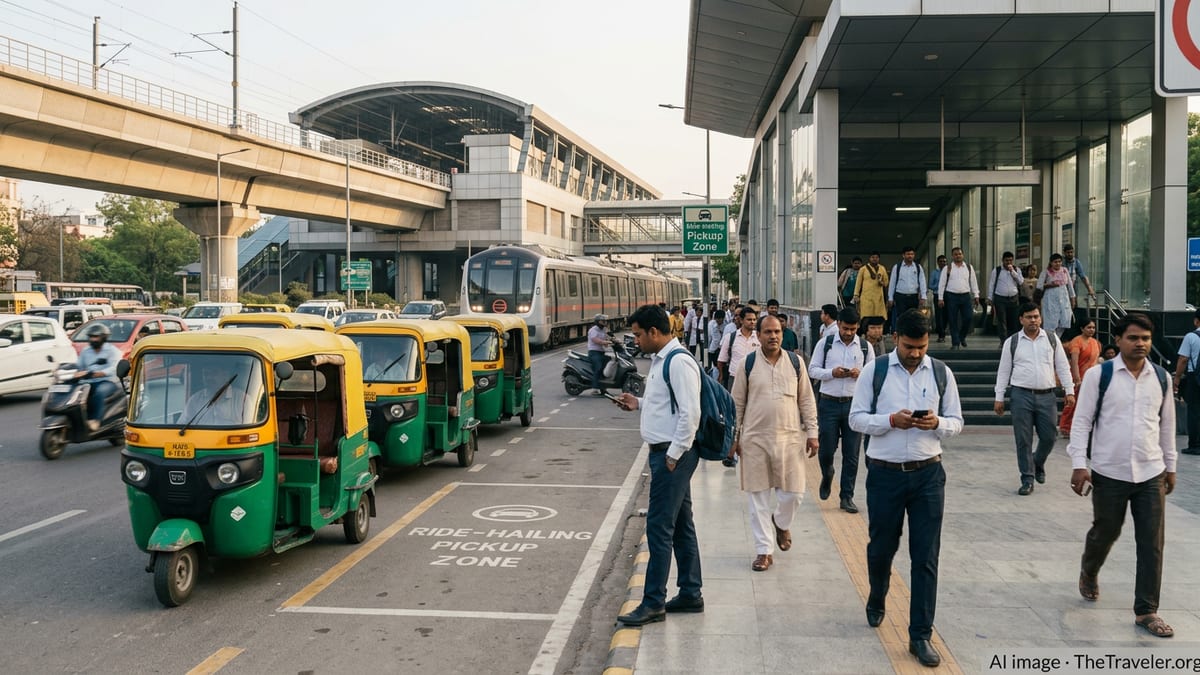
The Changing Landscape of Urban Transport in India
Indian cities were once dominated by overcrowded buses, hand-written tickets and haggling with auto-rickshaw drivers at every junction. Today, the picture is more varied. Modern metro systems run in many major cities, auto-rickshaws are increasingly integrated into app platforms, and digital payments have reshaped how people pay their fares. Yet legacy habits and informal practices remain, which means visitors encounter both cutting-edge technology and old-school negotiation on the same day.
Metro rail networks now operate in cities such as Delhi, Mumbai, Bengaluru, Chennai, Hyderabad, Kolkata, Pune, Nagpur, Kochi, Lucknow and several others. Additional lines and new systems continue to open, gradually extending rail-based public transport beyond city centers into growing suburbs. At the same time, buses, shared auto-rickshaws and cycle-rickshaws still provide crucial first and last mile links, especially in areas the metro does not reach.
Ride-hailing apps have layered another option on top of this. Platforms like Uber and Ola remain widely used in larger cities, while regional players such as Rapido, state-backed apps like Yatri Sathi in West Bengal, and new cooperative models such as Bharat Taxi and Namma Yatri are reshaping how drivers and passengers connect. Regulations are evolving too, with state governments drafting specific rules for aggregators and experimenting with caps on surge pricing and commission structures.
For travelers, the result is a rich menu of transport choices but also a complex landscape of apps, tickets, cards and local norms. The key to navigating it confidently is to know when each option makes sense, how to pay, and what to expect in terms of reliability, comfort and safety.
Riding the Metro: Fast, Predictable and Increasingly Connected
Metro systems are usually the fastest and most predictable way to move across India’s larger cities, particularly for long cross-town journeys during rush hour. Trains are frequent on core corridors, stations are generally clean and well signposted, and security screening at entrances provides an additional sense of order. Air conditioning is standard on most modern lines, which can be a welcome relief in hot weather.
Fares are relatively affordable by global standards, though they vary by city and distance. Many systems offer stored-value smart cards that provide a small discount compared to single-journey tokens or QR tickets. In recent years, authorities have begun promoting the National Common Mobility Card, an interoperable RuPay-based card intended to work across different metro networks and some buses, parking and toll systems. Adoption is uneven across cities, but the direction of policy is clearly toward more integrated, card-based payments.
Digital ticketing is also expanding. QR-code tickets that can be purchased through official metro apps, third-party apps or vending machines are increasingly common, and several networks now allow recharging of smart cards via mobile wallets or Unified Payments Interface (UPI) at ticket machines. However, implementation details differ by city, and occasional technical glitches or queues at peak times are still part of the experience.
For visitors, practical use is straightforward once you understand the basics. Plan journeys around peak hours when trains can be extremely crowded, particularly in Delhi and Mumbai. Women-only coaches are provided on many lines, marked on platforms and on the train doors. Security checks require you to place bags on scanners, and photography rules vary, so check station notices. When in doubt, follow the crowd: most systems have clear signage in English alongside local languages.
Tickets, Smart Cards and the Rise of Contactless Payments
Payment systems for metros and other urban transport have evolved quickly. While cash remains accepted almost everywhere, there is a clear shift toward contactless and digital options. The National Common Mobility Card concept aims to allow one card to work across multiple cities and modes, but in practice travelers will still encounter a patchwork of local cards, QR tickets and emerging solutions.
In many cities, metro operators are phasing out older, closed-loop cards in favor of NCMC-compliant cards and bank-issued RuPay cards that double as payment instruments in shops. Some networks enable instant purchase of ready-to-use NCMC cards at stations using UPI, reducing the need for long queues at ticket counters. Other systems have tied up with apps that allow remote recharge of NCMC cards, while still requiring occasional validation at station devices.
Digital payments via UPI are widely used for purchasing QR tickets and recharging cards at vending machines. QR codes on ticket machines allow commuters to scan and pay directly from their banking apps without using cash or physical cards. This approach has become particularly popular in second-tier metro cities where smartphone penetration is high and UPI is ubiquitous.
Despite these advances, travelers should be prepared for inconsistencies. Not every gate or bus reader will accept every card, some cities are still testing NCMC acceptance on certain lines, and back-end connectivity issues can occasionally slow down transactions. As a visitor, it is wise to carry some small-denomination cash as a backup and to purchase or recharge tickets a little earlier than strictly necessary, especially during peak hours or when catching a connection to a train or flight.
Auto-Rickshaws: Flexible, Iconic and Still Negotiated
Auto-rickshaws remain one of the most recognizable symbols of urban India and are often the most flexible way to cover short to medium distances, especially in areas not directly served by metro lines. These three-wheeled vehicles weave through traffic with ease, can navigate narrow lanes and are available in huge numbers in most cities. For many visitors, a first auto-rickshaw ride is both a cultural experience and a practical necessity.
Most cities have regulated meter-based fares for autos, with state transport departments periodically revising base fares and per-kilometer rates. In theory, drivers are required to use the meter. In practice, behavior varies. In some cities, particularly where enforcement has improved and digital aggregators have made pricing more transparent, drivers are more likely to agree to meter-based rides. In other places, drivers still routinely quote flat fares, especially to tourists or at major transit hubs.
Knowing the typical range of fares helps. Before you travel, ask a local, hotel staff or a shopkeeper what a reasonable price would be for your route. If a driver refuses to use the meter, you can negotiate politely, bearing in mind that peak-hour traffic, late-night timings or heavy rain can justify slightly higher prices. If you are uncomfortable negotiating, using ride-hailing apps that include autos can remove some of this friction by pre-confirming fares.
Safety and comfort on auto-rickshaws are generally adequate for city rides, though they are open-sided and can be noisy. Always sit on the side away from traffic when possible, keep bags between you and the driver or on your lap, and avoid displaying valuables. At night, consider sharing your live location with someone or using an app-based auto service that logs your trip details. In most cases, rides are uneventful, but a few simple precautions can make your journey smoother.
Ride-Hailing Apps and New Mobility Platforms
India’s ride-hailing ecosystem has moved beyond a simple duopoly. Ola and Uber continue to dominate in many large cities, offering a range of options from small hatchbacks to premium sedans and autos. Alongside them, homegrown platforms like Rapido, which focuses heavily on two-wheeler taxis and autos, and open or cooperative platforms such as Namma Yatri in Bengaluru have gained traction. State-backed ride-hailing initiatives, including apps like Yatri Sathi in West Bengal and newer national experiments such as Bharat Taxi, further diversify the choices available.
For travelers, the convenience is striking. A single app can show ride estimates across several categories, calculate approximate fares beforehand and allow digital payment via UPI or cards. Auto-rickshaws integrated into ride-hailing services provide a middle ground between informal street hails and metered taxis, with fares often slightly above street rates but with the benefit of clear pricing, driver details and navigation support.
Regulators are attempting to keep pace. Several state governments have proposed or implemented specific rules for aggregators that set standards for surge pricing, commission caps, driver working conditions and data sharing. Some draft rules seek to limit steep discounts or excessively low fares that undercut traditional autos and taxis, while still encouraging innovation and service quality. Travelers may notice periodic changes in fare structures or the introduction of new categories such as electric autos or pooled rides as a result of these policies.
As the ecosystem evolves, new ideas continue to emerge. Experiments with subscription models for frequent commuters, app-based intercity taxis and electric two-wheeler rentals intersect with more traditional cabs and autos. While you do not need to track every regulatory shift, being aware that rules differ by state helps explain why the same app can feel slightly different in Delhi, Mumbai or Bengaluru in terms of pricing, cancellation policies and available vehicle types.
Payments, Pricing and Practical Money Tips
One of the most significant changes for local transport in India has been the mainstream adoption of digital payments. The Unified Payments Interface underpins instant bank-to-bank transfers using QR codes or mobile numbers, and it is now widely used to pay for rides across metros, autos and ride-hailing services. Many visitors find that they can complete most urban journeys without using cash, as long as they have local payment capability.
For metro systems, smart cards and the National Common Mobility Card typically function as stored-value products. You load money onto the card and tap in and out, with the correct fare deducted automatically. Recharges can often be done via ticket machines using UPI, through mobile apps associated with the metro or via banking apps for bank-issued NCMC cards. QR tickets operate similarly in that you pay before entering, typically through an app or vending machine, and scan a code at the gate.
On auto-rickshaws and traditional cabs hailed on the street, cash is still common, though drivers increasingly accept UPI payments through static QR codes affixed to the vehicle. In these cases, agree the fare before starting, then pay either by cash or by scanning the driver’s QR code at the end of the trip. Always confirm the driver’s name or phone number on the payment confirmation screen to ensure you are paying the right person.
Ride-hailing apps generally support multiple payment options, including UPI, cards and in some cases cash. You can choose to pay in cash even when booking through an app, but using digital payments can simplify expense tracking and reduce the need to carry large amounts of currency. Keep in mind that dynamic pricing is common, especially during heavy rain, festivals or late-night hours. If fares appear unusually high, compare across a couple of apps or consider using the metro for the longest segment of your journey and reserving autos for only the last short stretch.
Safety, Etiquette and Cultural Nuance on the Move
Safety on Indian public transport is a shared responsibility between operators, regulators and passengers, and knowing local norms helps you move more confidently. Metro systems have visible security, CCTV surveillance in trains and stations, and clear procedures for reporting lost items or unsafe behavior. Women-only coaches are common, and some cities also operate safety helplines and in-app reporting tools on official transit apps.
When using autos and ride-hailing services, basic travel safety habits go a long way. Share your ride details or live location with a friend when traveling late at night, check the license plate and driver name before getting in, and avoid getting into heated arguments about routing or small fare differences. If you feel uncomfortable, it is usually better to end the ride in a public, well-lit place and book another vehicle.
Cultural etiquette plays a role too. Queues at metro stations are more common than they used to be, but boarding can still be assertive during rush hour. Stand to one side to let passengers alight before you board, and move into the center of the coach rather than standing near doors. Offering your seat to elderly passengers, pregnant women or people with disabilities is appreciated, even when not formally required.
With auto-rickshaws and taxis, politeness paired with firmness is effective. Greet the driver, state your destination clearly and, where possible, mention a well-known landmark nearby. If the driver appears unsure of the route, using a navigation app on your phone and offering to guide can be helpful. Tipping is not mandatory but rounding up the fare is common practice and can create goodwill, especially on short rides.
The Takeaway
Local transport in India is evolving quickly, combining modern metro networks, iconic auto-rickshaws and a crowded field of ride-hailing apps and payment innovations. For visitors, this presents both choice and complexity. Understanding how metros are expanding, how smart cards and the National Common Mobility Card are being rolled out, and how autos and ride-hailing platforms are regulated will help you make sense of the options on offer in each city.
Using metro rail for long cross-town journeys, relying on auto-rickshaws for flexible last-mile trips and turning to ride-hailing apps when you value door-to-door convenience is often the most efficient combination. Layer in digital payments through UPI, maintain a small cash reserve, and follow basic safety habits to keep your journeys smooth.
Perhaps the most important perspective is that there is no single right way to move around Indian cities. Locals routinely mix and match modes based on time of day, weather, budget and personal comfort. As a traveler, if you stay adaptable, ask a few questions and give yourself a little extra time for connections, you will find that India’s evolving transport ecosystem becomes part of the adventure rather than an obstacle.
FAQ
Q1. Is the metro the best way to get around Indian cities for visitors?
The metro is often the fastest and most predictable option for longer cross-city trips, especially during rush hour, but it may not cover every area you want to reach. Most travelers combine the metro with autos or ride-hailing for first and last mile connections.
Q2. Do I need a National Common Mobility Card to use the metro?
You do not need a National Common Mobility Card to ride. Single-journey tokens, paper or QR tickets and city-specific smart cards remain available. However, an NCMC can make travel more convenient if you plan to use metros in multiple cities that support it.
Q3. Are auto-rickshaw fares always fixed by meter?
Auto-rickshaw fares are regulated, but drivers do not always use the meter. In some cities meter use is enforced more strictly and apps help standardize pricing. In other places, especially near tourist areas, drivers may prefer to negotiate flat fares.
Q4. Which ride-hailing apps work in India?
Ola and Uber operate in most large cities, often alongside regional platforms such as Rapido and city or state-backed apps. Availability varies by state, so it is worth checking which apps show vehicles near your location after you arrive.
Q5. Can I pay for local transport with an international credit card or only with local methods?
Some ride-hailing apps accept international cards, but metro ticket machines and autos typically rely on cash, UPI or domestic cards. Having access to Indian payment methods, such as a local SIM with UPI-linked banking, makes everyday travel much easier.
Q6. How safe is it to use autos or ride-hailing apps at night?
Many people use autos and ride-hailing services at night without incident, but caution is sensible. Choose well-reviewed drivers where possible, share your trip details with a friend, sit in the back seat and avoid very isolated pick-up or drop-off points.
Q7. Are there women-only options on local transport?
Several metro systems provide women-only coaches, and some cities operate women-focused cab or auto services during specific hours. Signs on platforms usually indicate where women-only coaches stop, and staff can direct you if you are unsure.
Q8. How much cash should I carry for daily transport?
Carrying a modest amount of small-denomination cash is helpful for autos, small buses and backup situations. However, if you have access to UPI or local cards, most metro and app-based rides can be handled digitally, reducing the need to hold large sums.
Q9. What is the best way to get from the airport into the city?
The best option depends on the city. Some airports are connected by dedicated metro lines or express trains, while others rely mainly on cabs, ride-hailing and prepaid taxi counters. Checking airport transport options for your specific destination before you land is recommended.
Q10. Should I worry about scams when using local transport?
Serious scams are relatively rare on regulated transport, but overcharging, long routing or insistent touts around stations do occur. Minimize issues by using official queues, metered taxis or app-based bookings, confirming fares in advance and declining unsolicited offers politely.