

More news on this day
Boston Logan International Airport experienced fresh disruption today, with 65 flights affected across multiple major carriers as operational strains and weather-related bottlenecks rippled through the wider U.S. air travel network.
Get the latest news straight to your inbox!
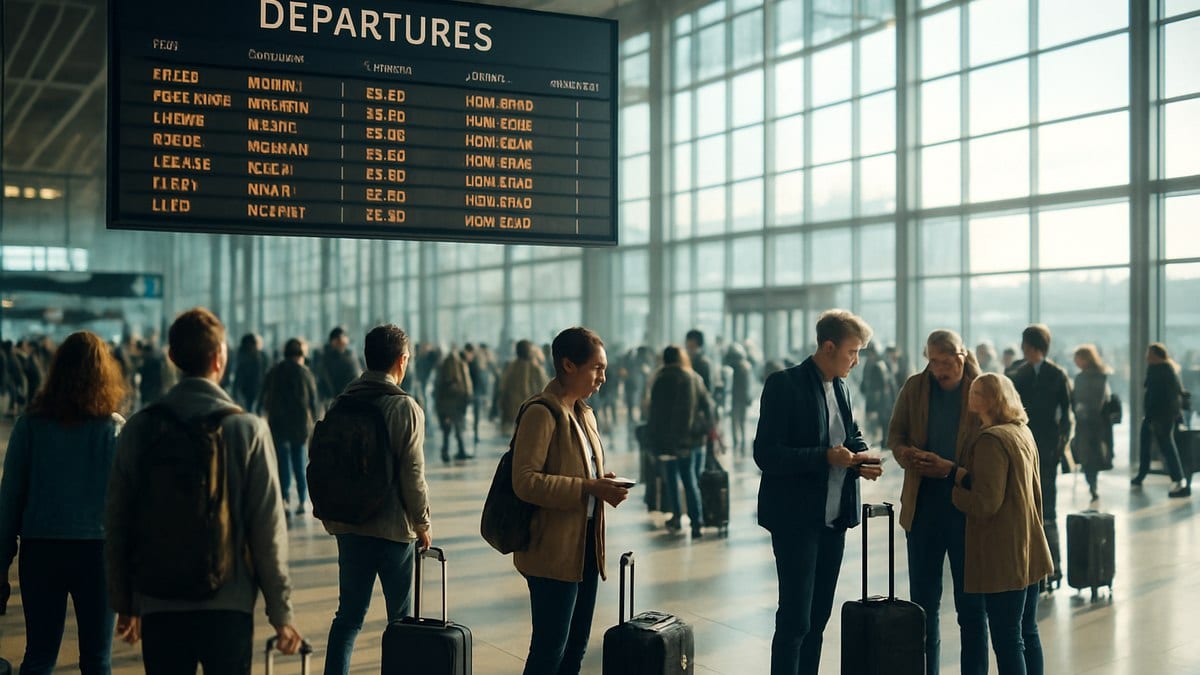
Moderate Turbulence at a Key New England Hub
Boston Logan, one of the busiest airports in New England, is seeing a cluster of schedule disruptions that collectively touch at least 65 arrivals and departures. Publicly available flight-tracking data and industry coverage indicate that the affected flights include both domestic and international services, amplifying the impact for connecting travelers moving through the airport.
The disruptions come amid a broader pattern of pressure across major U.S. hubs, where delays have been piling up due to a mix of unsettled spring weather, air traffic management constraints, and residual operational knock-on effects from earlier storms. While Logan is not experiencing the worst figures in the country, the airport’s role as a key transfer point for the Northeast means relatively modest delay counts can still cascade across multiple routes.
Travel-focused outlets report that Logan’s tally today sits in the mid-range compared with other heavily used airports, falling short of the most severely affected hubs but still posing a significant challenge for airlines trying to rebalance aircraft and crew. For passengers, the practical result is a day of queues at check-in and security, congested gate areas, and shifting departure boards.
Despite the strain, core airport operations remain intact, with no indication of a full ground stop specific to Logan. Instead, the disruption is manifesting as rolling delays, scattered cancellations, and gate changes that require constant monitoring by travelers.
Major Carriers Share the Strain
The 65 affected flights are spread across several large carriers, including full-service airlines and low-cost operators with a substantial presence at Logan. Reports indicate that domestic giants and international flag carriers are both contending with altered departure slots, contributing to an uneven schedule throughout the day.
Coverage from aviation and travel industry sources points to carriers such as Delta Air Lines, JetBlue Airways, American Airlines, and international partners being among those adjusting operations. JetBlue and Delta, which have sizable schedules into and out of Boston, are particularly exposed whenever disruptions affect the broader East Coast corridor.
Some of the affected services link Boston with major hubs such as New York, Atlanta, and key Midwestern and West Coast gateways. This network interdependence means that a delay at Logan can quickly influence an aircraft’s subsequent rotations, creating a ripple effect that reaches far beyond Massachusetts.
Although the number of outright cancellations at Logan remains limited compared with delays, even a small set of scrubbed flights can require complex rebooking efforts. Airlines are drawing on their usual playbook of reaccommodating travelers on later departures, rerouting them via alternate hubs, or consolidating lightly booked services to free up aircraft where demand is strongest.
Weather, Congestion, and the National Context
The disruption at Logan is unfolding against a backdrop of wider turbulence in the U.S. air system. Across multiple days this week, national data has shown several thousand delayed flights and more than one hundred cancellations at major airports, from Atlanta and Chicago to Houston, Phoenix, and Washington.
Published analyses from passenger rights organizations and travel industry platforms attribute a significant portion of these issues to thunderstorms, changing wind patterns, and challenging flying conditions over parts of the country. When those weather systems intersect with already tight schedules, staffing constraints, and air traffic flow programs, hub airports such as Logan can quickly feel the knock-on effects.
Boston’s role in transatlantic flying also adds a layer of complexity. Delays on inbound long-haul services can push aircraft and crews beyond their planned duty windows, forcing schedule adjustments that may show up hours later as domestic disruptions. In some cases, airlines have opted to build additional buffer time into their operations, but sharp weather changes and congestion can still overwhelm those safeguards.
Recent history underscores how quickly conditions can deteriorate at Logan when a major weather system passes through the region. Large winter storms earlier this year led to hundreds of cancellations on single days, illustrating how vulnerable tightly wound aviation networks can be when severe conditions arrive at peak travel times.
Impact on Travelers and Local Tourism
For travelers, today’s disruptions at Logan translate into missed connections, unplanned layovers, and reworked itineraries. Families returning from spring break trips, business travelers connecting to regional cities, and international visitors using Boston as a first point of entry all face the possibility of extended waits and last-minute changes.
Tourism and hospitality stakeholders in the Boston area are watching these patterns closely. Travel and tourism coverage frequently highlights how recurring clusters of delays and cancellations can dampen short-break travel, complicate cruise and tour departures, and increase operating costs for hotels and ground transport providers that must adapt to erratic arrival times.
When even moderate disruption persists over several days, some prospective visitors may choose alternate gateways or postpone trips altogether. Industry observers note that this risk is especially acute in the shoulder seasons, when leisure demand is building but remains sensitive to reports of travel chaos at key airports.
On the other hand, analysts also point out that Boston retains strong underlying demand drivers, including its universities, medical centers, and technology sector. These steady travel segments help sustain traffic even when irregular operations temporarily undermine the airport’s reputation for reliability.
What Passengers Can Do Right Now
With 65 flights affected and schedules still in flux, passengers booked through Logan today are being encouraged by travel advisories and consumer guidance platforms to stay proactive. Publicly available recommendations emphasize checking flight status frequently through airline apps, signing up for text alerts, and verifying gate information before heading to the airport.
Travel experts also advise allowing extra time for security screening and boarding when widespread delays are in play, since queues and gate changes can lengthen the overall journey even when a flight ultimately departs close to schedule. For those facing lengthy disruptions, guidance often includes asking airlines about meal vouchers, hotel options, or fee waivers, particularly when delays are linked to airline-controlled factors rather than severe weather or air traffic restrictions.
Passengers with flexible plans may find it worthwhile to consider rebooking through less congested time slots or alternative routings, even if that means connecting through a different hub. In some cases, shifting to an early-morning or late-evening departure can reduce exposure to the peak-hour congestion that compounds delay totals.
While today’s figures at Logan do not match the most extreme disruption seen at other U.S. airports in recent months, the airport’s current tally of 65 affected flights serves as a clear reminder that the national aviation system remains finely balanced. For travelers, preparation, flexibility, and close attention to real-time information remain essential tools for navigating an increasingly unpredictable sky.