

More news on this day
Flights serving London are beginning to be cancelled as sharply higher jet fuel costs collide with softening demand, signalling a turbulent start to the summer travel season for UK passengers.
Get the latest news straight to your inbox!
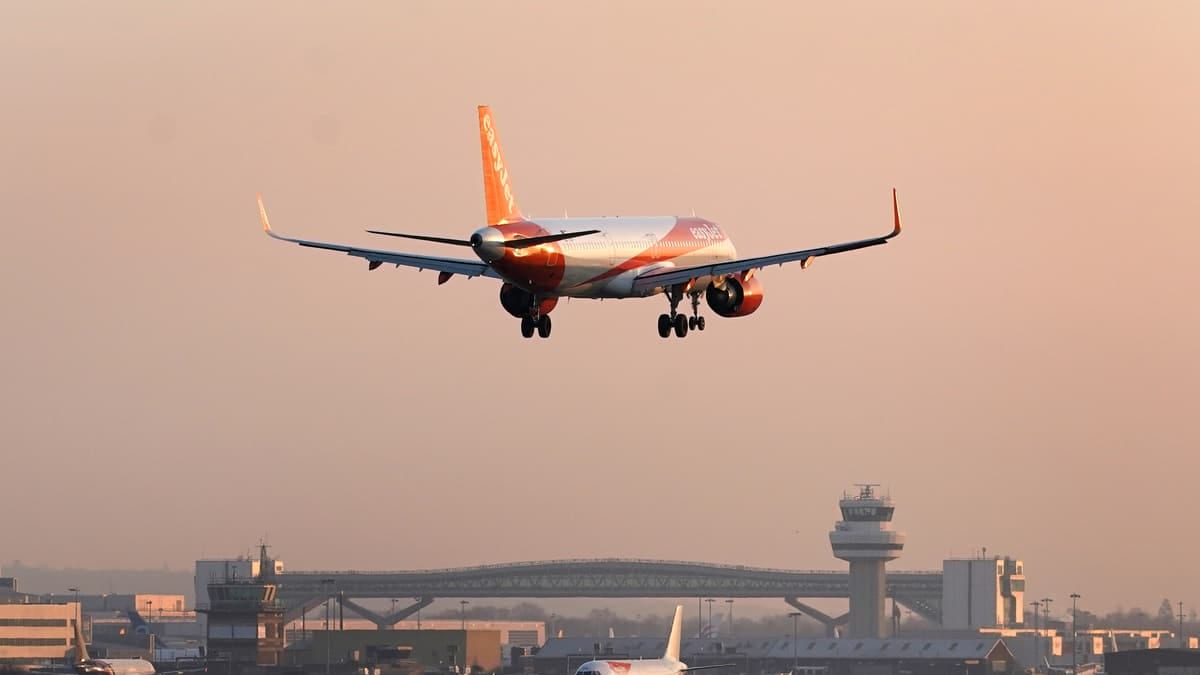
Early cancellations hit London-linked routes
Reports indicate that the first wave of UK flight cancellations linked to the fuel price surge is now under way, with airlines quietly scaling back marginal routes that serve London and its surrounding regions. Regional carrier Aurigny has announced the cancellation of a number of services from mid-April to early June, including flights that connect Guernsey with London-area airports, citing soaring fuel bills and weaker bookings as key factors.
The adjustments remain modest in absolute terms, but industry analysts note that such early moves are often a signal that carriers are reassessing the economics of thinner routes well ahead of the main holiday season. Capacity is being withdrawn first on services with smaller aircraft and lower load factors, reducing exposure to volatile fuel prices while allowing airlines to concentrate resources on core, higher-yield city pairs.
These developments coincide with warnings from several European low-cost operators that additional cuts may follow if current market conditions persist. Budget-focused travellers who rely on secondary London airports and regional links are therefore likely to feel the impact first, through reduced frequencies, longer journey times and a shrinking choice of departure times.
At London’s major hubs, schedules remain broadly intact for now, but timetable data shows a gradual trimming of late-night and off-peak frequencies on selected short-haul routes. Aviation advisers suggest that more adjustments could be loaded into summer timetables at short notice if fuel markets remain tight.
Jet fuel prices surge amid geopolitical shocks
The cancellations come against the backdrop of a renewed jet fuel price shock tied to the conflict in the Middle East. Publicly available market data shows that global jet fuel benchmarks have climbed to their highest levels since 2024, following a sharp rise in crude oil prices and disruptions to shipping routes supplying refineries that serve Europe.
Recent overviews of European aviation released by regional air traffic bodies highlight a jump in average jet fuel prices over the late winter period, with further increases reported since hostilities escalated. Analysts describe a rapid, broad-based climb in operating costs that is especially painful for carriers with low margins and limited hedging cover.
Industry commentary suggests that UK airlines are particularly exposed because of a combination of higher domestic taxes, mandated sustainable aviation fuel blending targets and airport cost pressures. Sector competitiveness studies indicate that these structural factors are pushing the overall cost base for UK-based carriers above that of many European rivals, leaving less room to absorb a sudden spike in fuel outlays.
For London, one of the world’s busiest aviation markets, this means airlines are facing a difficult trade-off between protecting profitability and maintaining connectivity. Removing lightly used services and consolidating flights onto fuller aircraft is emerging as a common response as the fuel shock filters through balance sheets.
Demand cools as fares rise and travellers turn cautious
While global passenger traffic data for February still pointed to solid demand, more recent travel and economic indicators point to a softening picture for UK leisure flying into the spring. Higher fares, cost-of-living pressures and renewed uncertainty around geopolitics appear to be weighing on families considering city breaks and short-haul holidays from London airports.
Forecasts from airline trade groups and independent travel analysts have already been revised lower for 2026, with weaker expectations for growth in revenue passenger kilometres than previously projected. Some carriers have acknowledged that the combination of rising ticket prices and broader economic headwinds is starting to curb discretionary trips, particularly outside the peak school holiday windows.
In the UK market, recent competitiveness assessments point to a measurable dip in leisure demand relative to pre-crisis baselines, suggesting that price-sensitive travellers are either trading down to cheaper destinations or postponing travel altogether. This is particularly apparent on shorter European routes from London, where rail and coach alternatives exist and last-minute fare hikes can quickly deter marginal bookings.
Travel agencies report growing interest in flexible dates and alternative departure airports as households attempt to manage costs. However, where airline capacity is being withdrawn, options for switching to nearby London airports such as Stansted, Luton or Gatwick may narrow, leaving some travellers with fewer viable alternatives.
Budget airlines and regional links under greatest strain
Publicly available coverage underscores that low-cost and regional airlines are bearing the brunt of the current squeeze. These operators typically rely on high aircraft utilisation, dense seating and aggressive pricing to keep unit costs low, leaving less room to absorb a sudden surge in fuel expenditure when demand softens.
Warnings from major European budget carriers about potential summer schedule cuts of up to one in ten flights have raised particular concern for London’s satellite airports, which depend heavily on low-cost traffic. Industry commentary highlights that airports such as Stansted and Luton could see proportionally larger reductions in movements if fuel supply concerns worsen or if demand continues to weaken into the key May to August period.
Regional connections feeding London, including lifeline services from the Channel Islands and smaller UK cities, are also vulnerable. These routes are often operated by smaller aircraft and serve mixed business and leisure markets that are more sensitive to fare increases. As fuel costs climb, airlines may find that some of these services no longer cover their variable costs, prompting cancellations or seasonal suspensions.
Aviation consultants note that while larger network carriers serving Heathrow can redeploy capacity across global networks, smaller operators tied to specific regional markets have fewer options. For passengers, that could translate into higher prices on the remaining flights and increased reliance on multi-leg journeys via bigger hubs.
Summer outlook for London travellers grows uncertain
With jet fuel markets unsettled and the geopolitical backdrop volatile, the outlook for London’s summer flying programme is increasingly uncertain. Forecasts from travel research firms suggest that airlines may continue to pare back capacity where forward bookings appear soft, especially on short-haul leisure routes where alternative transport exists.
Consumer-facing travel advisories are already urging passengers planning peak-season trips from London to book earlier than usual, select flexible ticket options where possible and monitor airline schedule updates closely. The risk is that a combination of rolling cancellations and limited spare capacity could make rebooking more difficult as the summer peak approaches.
Airfare projections for the coming months now factor in both higher underlying fuel costs and the possibility of constrained seat supply. Analysts expect that even if crude prices stabilise, average fares from London are likely to remain elevated compared with recent years, particularly on routes dominated by one or two carriers.
For now, the first cuts to London-linked services are relatively small in scale. However, recent history suggests that if the current fuel shock persists and demand continues to soften, airlines may respond with deeper schedule reductions, leaving London travellers facing a more fragile and expensive air network through the key summer season.